Using DAP Fertilizer to Stimulate Roots and Reduce Acid Sulfate Toxicity in Early-Season Rice Fields
Date
Contents· 7 sectionsExpandCollapse
- What Is DAP Fertilizer? Why Is It Suitable for Early-Season Rice?
- Why Early Root Stimulation Is Needed for Early-Season Rice
- How DAP Fertilizer Effectively Stimulates Rice Roots
- How Does DAP Fertilizer Help Reduce Acid Sulfate Toxicity in Rice Soil?
- When to Apply DAP Fertilizer to Rice for Best Results
- Important Notes When Using DAP Fertilizer for Rice
- Effective DAP Fertilizer Solutions with Viet Nga Fertilizer
DAP fertilizer is commonly used right from the start of the rice season thanks to its high content of readily available phosphate, which stimulates early root development and effectively helps rice overcome acid sulfate soil conditions. From 7 to 20 DAS (days after sowing), while the root system is forming, acid sulfate soil causes rice to root slowly and grow poorly. Using DAP early in the season is therefore a solution that helps rice establish roots quickly and green up well, building the foundation for plant development and stable yields later on. Let's explore this with Viet Nga Fertilizer in the article below!
What Is DAP Fertilizer? Why Is It Suitable for Early-Season Rice?
In rice production, choosing the right fertilizer from the start of the season is very important, because this is the stage when the rice plant concentrates on developing its root system and adapting to soil conditions. Among the fertilizers available today, DAP is used by many farmers for basal application or early application thanks to its ability to supply nutrients early, making it well suited to the early stage of the season and helping rice root and grow steadily from the very first days after sowing.

Nutrient Composition and Characteristics of DAP Fertilizer
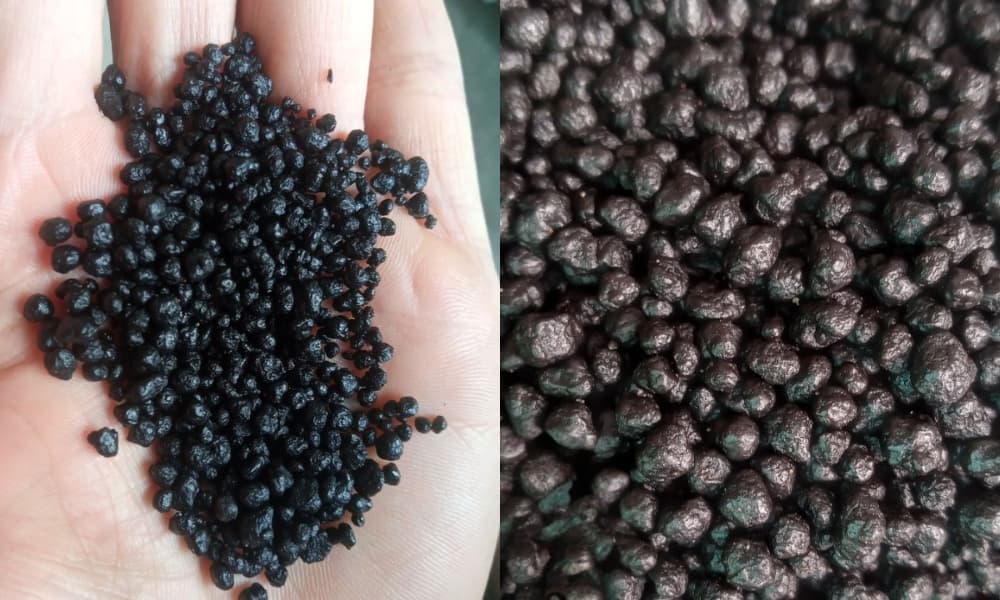
DAP (Diammonium Phosphate) is an inorganic fertilizer that contains both ammonium nitrogen (NH₄⁺) and a high content of readily available phosphate (P₂O₅). These are two nutrients rice needs in the early stage of the season, especially phosphorus – the factor that plays a decisive role in root formation and development.
Because it dissolves quickly in water, the phosphate in DAP is absorbed early by the rice plant, limiting losses and taking effect right after application. For this reason, DAP is often recommended for basal application before sowing or transplanting, or for early application after sowing, especially on acid sulfate soils, phosphorus-poor soils or newly reclaimed fields.
The Role of DAP in the Rice Fertilization Program
In the rice fertilization program, DAP is neither the main fertilizer for feeding the leaves nor used to strongly push stem and leaf growth. The main role of DAP is to provide an initial nutrient base, helping rice form a strong root system, establish roots quickly and green up early after sowing.
When the root system develops well from the start, the rice plant can take up nutrients and water more efficiently, setting the stage for tillering, steady growth and better use of fertilizers in the following stages.
Why Early Root Stimulation Is Needed for Early-Season Rice
In rice cultivation, the root system plays a key role in absorbing nutrients and helping the plant adapt to soil conditions early in the season. Stimulating roots early helps the rice plant quickly stabilize its growth, limits stunting and sets the stage for tillering and later stem and leaf development.
Growth Characteristics of Rice from Seedling to Recovery (Greening Up)
From the seedling stage to greening up, the rice root system forms and develops very rapidly, mainly in the first 10–15 days after sowing. This is when young roots begin to spread, anchor in the soil and take on the job of absorbing water and nutrients for the whole plant.
The quality of the root system at this stage directly determines:
- Nutrient uptake capacity: strong roots help the plant absorb fertilizer more efficiently
- Later tillering ability: well-developed roots lay the foundation for early and uniform tillering
If roots form strongly right from the start, the rice plant will grow steadily and face fewer setbacks in the following stages.
Consequences of Poor Rice Root Development
When the rice root system is weak or affected by acid sulfate soil, the plant easily runs into many problems early in the season, such as:
- Stunted rice that greens up slowly after sowing
- Weak tillering and a low number of productive tillers
- Susceptibility to physiological leaf yellowing and even acid sulfate toxicity, reducing plant vigor
If these symptoms are not corrected early, they will directly affect yield and farming efficiency at the end of the season.
How DAP Fertilizer Effectively Stimulates Rice Roots
The effectiveness of DAP in the early season comes not only from its nutrient content but also from the way it directly acts on the formation and development of the rice root system. Supplying phosphorus early and correctly helps the rice plant quickly stabilize its growth, especially on acid sulfate fields or in unfavorable soil conditions.
The Role of Phosphorus in Root Formation and Development
Phosphorus is an essential nutrient for rice in the early season and plays a central role in stimulating root formation and development. When adequately supplied, phosphorus helps:
- Promote young root growth so that roots anchor in the soil and spread early
- Increase root cell division, making the root system grow quickly and vigorously
- Form secondary roots that go deeper, improving water and nutrient uptake
As a result, the rice plant gains a solid root base, setting the stage for steady growth and good tillering in the following stages.
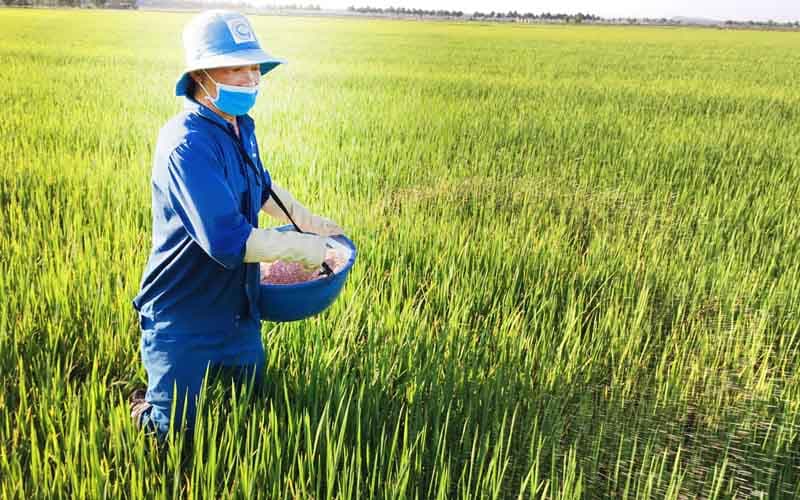
DAP Helps Rice Root and Green Up Quickly
DAP supplies phosphorus in a readily available form, allowing the rice plant to absorb it quickly after application, shortening the period of stunting and speeding up greening up after sowing. In addition, the ammonium nitrogen in DAP supports the initial growth of the rice plant, helping it develop uniformly without causing excessive elongation or lush leaf growth when used at the right rate and at the right time.
Thanks to this combination, DAP is a suitable fertilizer for early root stimulation, helping rice root quickly and grow steadily.
How Does DAP Fertilizer Help Reduce Acid Sulfate Toxicity in Rice Soil?
In rice production in many areas, especially the Mekong Delta, acid sulfate soil remains a major obstacle to rice root development in the early season. Using suitable fertilizers not only supplies nutrients but also helps reduce the harmful effects of soil acidity, creating more favorable conditions for rice roots to develop.
Characteristics of Acid Sulfate Soil in Rice Production
Acid sulfate soil usually has a low pH along with high levels of iron (Fe³⁺) and aluminum (Al³⁺). Under flooded conditions or after heavy rain, these elements dissolve easily and become toxic to the rice plant, especially its young roots.
On acid sulfate soil, rice roots often suffer from problems such as:
- Root rot and poor root development
- Burned young roots, reducing water and nutrient uptake
- Slow growth and poor greening up of rice early in the season
Without timely support measures, these effects will carry over into the following growth stages.
How DAP Helps Reduce the Harmful Effects of Soil Acidity
DAP contains readily available phosphate. When applied to acid sulfate soil, it takes part in chemical reactions in the soil, in which phosphorus can bind with iron (Fe) and aluminum (Al), reducing the toxicity of these ions around the root zone. As a result, the soil environment around rice roots becomes less hostile, allowing young roots to develop and recover faster.
In addition, the early root stimulation provided by DAP also helps the rice plant actively overcome acid sulfate soil conditions, increasing nutrient and water uptake during the early season.
Note:
DAP is not a dedicated soil acidity amendment and does not replace soil improvement measures such as leaching acidity, liming or water management. DAP serves as a supporting solution that helps rice roots overcome acid sulfate conditions in the early stage, contributing to a favorable growth base for later development of the rice plant.
When to Apply DAP Fertilizer to Rice for Best Results
For DAP to properly fulfill its role of stimulating roots and helping rice overcome acid sulfate soil, applying it at the right time is very important. DAP is most effective when used in the early season, while the rice plant is forming its root system and has not yet entered the stage of vigorous stem and leaf growth.
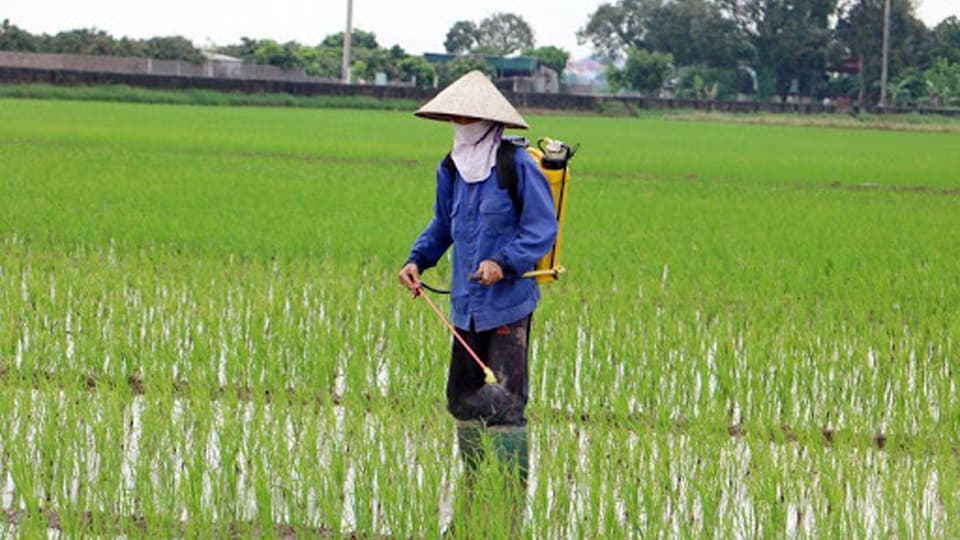
Basal Application Before Sowing/Transplanting
Applying DAP as a basal fertilizer before sowing or transplanting prepares an initial nutrient base in the soil, creating favorable conditions for rice roots to develop as soon as the plants start to emerge. This method is especially suitable for:
- Acid sulfate soil, where roots need early support to overcome unfavorable conditions
- Improved fields where the soil is still low in nutrients
- Newly reclaimed fields whose soil structure is not yet stable
Basal application of DAP helps rice root quickly and limits stunting after sowing.
Early Application After Sowing (5–7 DAS)
If basal application could not be done in time, farmers can apply DAP early after sowing, at about 5–7 days. This is when rice roots begin to form and the demand for phosphorus rises sharply.
Applying DAP early helps:
- Support quick greening up of rice
- Stimulate uniform root development
- Reduce the effects of acid sulfate soil in the early stage
Why DAP Should Not Be Applied Late
Applying DAP after the rice has passed the early-season stage reduces the effectiveness of phosphorus, because the plant no longer has a high demand for forming new roots. In addition, applying DAP late can:
- Easily cause lush leaf growth and excessive stem and leaf development
- Weaken stems and increase the risk of lodging
- Fail to deliver its root-stimulating and acid sulfate–relief role
Therefore, DAP should be used at the right early-season stage to achieve high effectiveness and avoid wasting fertilizer.
Important Notes When Using DAP Fertilizer for Rice
DAP must be used correctly, under the right conditions and at the right rate, especially given the soil and water conditions in rice fields.
Soil and Water Conditions at Application
DAP should be applied when the field has suitable moisture; avoid applying when the soil is too dry or the field is deeply flooded. Appropriate water conditions help the fertilizer dissolve evenly, let phosphorus reach the root zone easily and limit nutrient losses. On acid sulfate soil, keep the water level stable to prevent acidity from rising and affecting young rice roots.
Do Not Overuse High Rates
DAP has a high nutrient content, especially phosphorus, so it does not need to be applied at very high rates. Overusing DAP not only fails to make rice grow better but can also cause nutrient imbalance, unstable plant growth and higher production costs. Applying the right rate at the right time helps the rice plant absorb nutrients efficiently and get the most out of the fertilizer.
Combine with Water Management and Soil Improvement
For long-term effectiveness, DAP use should be combined with proper water management and soil improvement measures such as leaching acidity, liming or adding organic matter. This combination improves the soil environment, reduces the harmful effects of acidity and raises fertilizer use efficiency, enabling the rice plant to grow sustainably throughout the season.
Effective DAP Fertilizer Solutions with Viet Nga Fertilizer
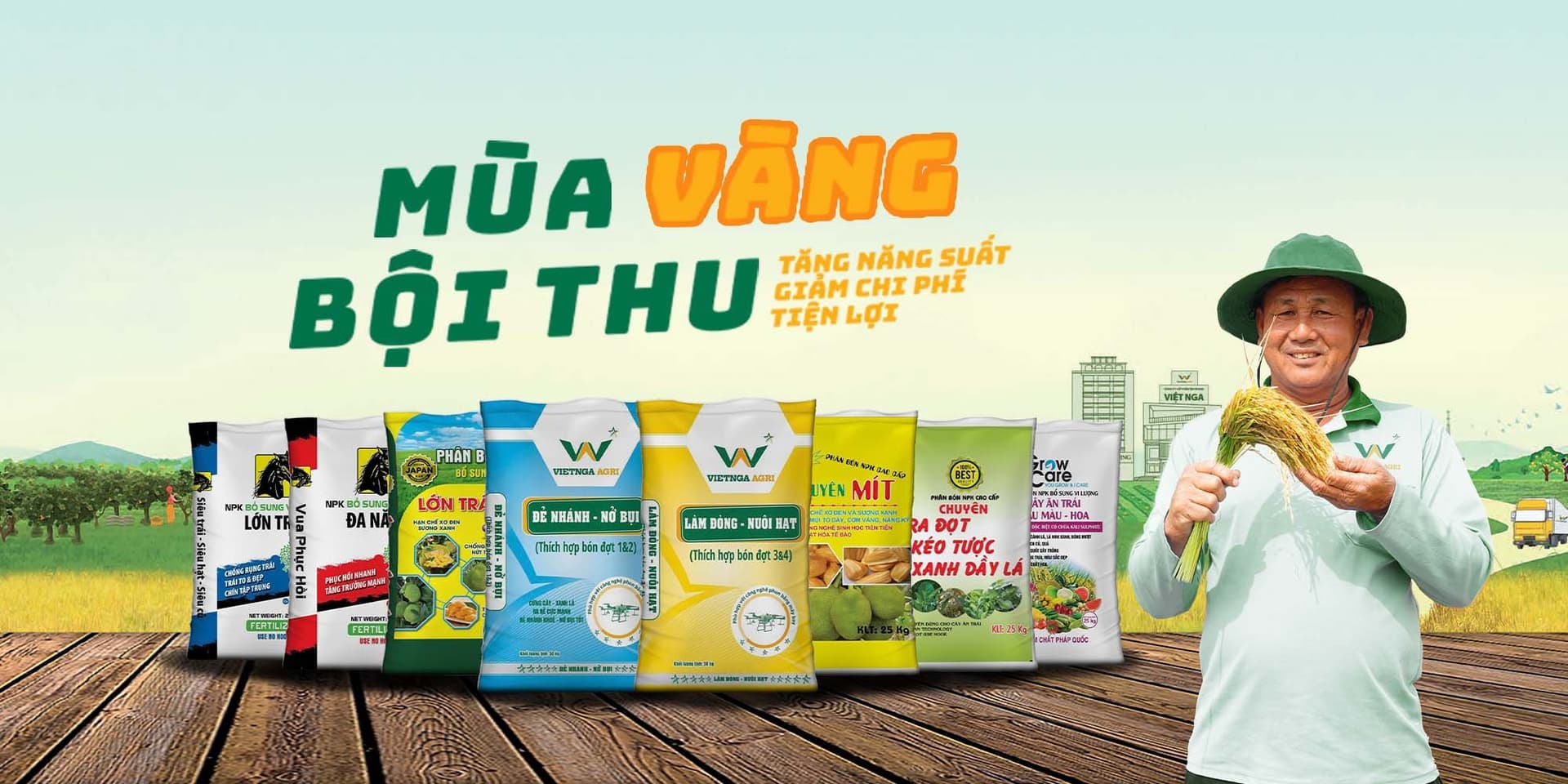
With more than 32 years of supporting farmers in rice production in the Mekong Delta, Viet Nga Fertilizer not only supplies fertilizer products but also focuses on usage solutions suited to each actual farming condition. DAP use is advised specifically according to soil type, level of soil acidity and rice growth stage, helping farmers achieve high effectiveness right from the start of the season.
In addition, Viet Nga Fertilizer guides farmers toward balanced, economical and effective fertilization, using DAP at the right time to maximize its root-stimulating role, avoiding fertilizer overuse and reducing production costs. Alongside this come recommendations on water management, soil improvement and combining appropriate nutrition solutions, contributing to sustainable rice farming with stable yields and efficiency.
Using DAP fertilizer at the early stage of the rice crop to stimulate roots and reduce acid sulfate toxicity early is an important foundation for steady plant growth and high yields at the end of the season. Effective DAP use is not about applying more but about applying it at the right stage and in the right way at the start of the season. Standing with farmers, Viet Nga Fertilizer not only supplies products but also provides technical advice tailored to each soil type and farming condition, helping optimize fertilizer efficiency and move toward sustainable production; farmers can contact Viet Nga Fertilizer for early-season technical advice to build a strong root base for a successful rice crop.