
ACCOUNTING WITH FURTHER FARMERS
Secrets to growing lotus in pots with the right technique
Growing lotus in pots is the ideal solution for those who love the elegant beauty of this flower but do not have much garden space. Not only does it help beautify the living space, lotus also brings a feeling of relaxation and can be used as medicine or food. This article Viet Nga Fertilizer will guide you on how to grow lotus in pots in the simplest and easiest way.
How to grow lotus in a pot of water
1. How to grow lotus from seeds in pots
Growing lotus from seeds is a simple, economical way, suitable for those who want to take care of the plant themselves from the beginning. Just choose the right seeds, handle them carefully and take care of them regularly, the lotus will grow strongly and produce beautiful flowers:
- Choose the right variety and pot: If you plant tall lotus, use a deep pot; mini lotus or royal lotus, choose a low pot with a wide mouth. Seeds should be large, round, with dark and shiny shells – these are firm seeds that germinate easily. You should buy from a reputable place to avoid flat seeds.
- Seed treatment before sowing: Lightly grind the top of the seed (do not scratch the white core), then soak it in warm water mixed in a ratio of 2 boiling: 3 cold. The water must cover the seeds and change it twice a day. After 3-5 days, the sprouts will emerge, you continue to cut more shells and wait for the sprouts to be about 10-12cm long.
- Sowing sprouts in pots: Prepare a pot with a 20-25cm thick layer of clean mud, gently place the sprouts in and cover with a thin layer of soil. Maintain the water slightly above the mud surface, place the pot in a place with gentle morning sunlight, not too harsh.
- Note on initial care: Should be planted around February-April of the solar calendar because the weather is warm, with little rain. You can add Atonik, Comcat to the soaking water to help the seeds germinate quickly. When planting, you should mix mud with a little organic mineral fertilizer to help the plants grow strong, have big leaves, and flowers bloom evenly.

2. How to grow lotus by tree
Planting lotus by plants is a popular method, easy to do and gives higher efficiency than sowing seeds. To plant lotus properly, you can follow the steps below:
- Prepare a suitable pot: Choose a pot with a depth of about 60-70cm and a similar diameter. Choose a sealed pot (without drainage holes) to hold mud and water. You can use large jars, pots, and jars, as long as they are sturdy and leak-proof.
- Choose lotus varieties: You should choose healthy lotus seedlings that have roots, sturdy stems, and no signs of pests or diseases. If you plant tall lotus, use a tall pot; for mini lotus or royal lotus, you should use a low and wide pot to increase aesthetics.
- Prepare soil and fertilizer: The soil for growing lotus needs to be loamy soil mixed with clay, and retain moisture well. You can get mud from ponds or buy clean soil that has been treated for pathogens at agricultural supply stores. Mix the soil with water in a ratio of 2 parts soil – 3 parts water to create a thick mixture like mud. In addition, mix the soil with decomposed organic fertilizer before planting to provide initial nutrients for the plant.
- How to plant lotus: Use your hands to create a core in the middle of the mud pot, gently place the lotus in and fill the soil around the roots. Then, pour water about 10cm above the mud surface. In the first few days, the lotus pot should be placed in a shady place so that the plant can get used to the new environment, then move it to a place with lots of light.
- Post-planting care: Keep the water in the pot clean and at a stable depth. You can use the overflow hose to change the water for the lotus every day. After about 1 month, when the plant has stabilized, you should fertilize with hydroponic fertilizer once a month during the growing season (around March to September of the lunar calendar). You should cut off old and wilted leaves so that the plant has room to grow new leaves and new flowers.
- Pest control: Regularly monitor to catch worms, grasshoppers or other leaf-biting insects. At the same time, remove algae and duckweed in the pot to keep the water clean and the lotus plant from suffocating. If signs of disease are detected, biological pesticides can be used for safe treatment.
- Winter Note: In the North or cold climates, lotus will enter a “hibernation” phase and stop growing. You should move the pot to a place protected from the wind or cover it carefully, and wait until after Tet for the lotus to grow again.
3. How to grow mini lotus in pots
Mini lotus is a popular ornamental plant because it is easy to grow, has beautiful flowers and can be grown in small spaces such as yards and balconies. For lotus to grow healthily and produce many flowers, farmers need to master the correct planting techniques:
Planting time: February to April every year is the most suitable time to plant mini lotus. At that time, the weather is warm, there is little rain, the plant will grow quickly and bloom beautifully.
Seed preparation: Choose mini lotus seeds from a reputable store. Prioritize choosing old, large, dark-colored seeds, with one end slightly concave to ensure a high germination rate. Before soaking, gently grind the hard shell to stimulate germination. Soak the seeds in warm water (ratio 2 boiling: 3 cold), change the water twice a day. After 3-5 days, the seeds will crack and germinate.
Planting method: There are two common methods:
- Planting in mud: Mix 1 part mud + 2 parts clay, add lime powder to neutralize acidity and kill pathogens. Put the mixture in a pot without drainage holes, fill with water about 10cm. When the seedling is 10-15cm tall and has roots, gently plant it in the pot. Place the pot in a cool place for the first 1-2 days, then put it in the sun to let the plant grow.
- Hydroponics: Use a clean, transparent glass jar for easy observation. Mix 15ml of hydroponic solution (pH 6.0–6.8) with 1 liter of clean water. Gently place the sprouted and rooted plant into the jar. You can add more gravel to secure and decorate.

Take care of:
- Light: Place the plant in a cool, light place. If grown indoors, put the plant in the sun for at least 1 hour each week.
- Water: Keep the water clean, change the water regularly. You can add Japanese duckweed or dogtail to keep the water clear.
- Nutrition: Every 2 months, you should add slow-release fertilizer if grown in soil. In case of hydroponics, use hydroponic solution periodically.
- Leaf pruning: When the plant has too many leaves, you should prune them to concentrate nutrients to feed the flowers.
- Pest prevention: Wipe the leaves regularly to avoid stagnant water. When you see caterpillars or aphids, you can use biological drugs to handle them promptly.
Which lotus variety should I choose to grow?
Choosing the right lotus variety is a very important factor if you want to grow lotus in pots at home. Each lotus variety has its own characteristics in color, flower size, rarity and care. Below are some popular lotus varieties that are easy to grow and suitable for Vietnam’s climate that you can refer to:
- Thousand-petal lotus (S1000): This is a special lotus variety with up to 800-1000 petals. The flowers bloom large, the outer petals are long, embracing the small petals inside, creating a unique beauty. However, this variety is rare, so the price is quite high, often up to millions of VND per seedling.
- Red Drop Blood Lotus: This is the lotus variety with the darkest red color today, very prominent and eye-catching. The price of lotus varieties ranges from 400,000 VND – 800,000 VND depending on the time.
- Royal lotus: This lotus variety has a small stem and flowers, suitable for those who love sophistication. The flowers have two colors: pink or white, it is a rare lotus variety, favored by lotus connoisseurs.
- Quan Am lotus (Bach Diep lotus): The outstanding feature is many tiny petals, large flowers (about 4-7cm in diameter), strong fragrance, white or pink, very popular for decorating living spaces.
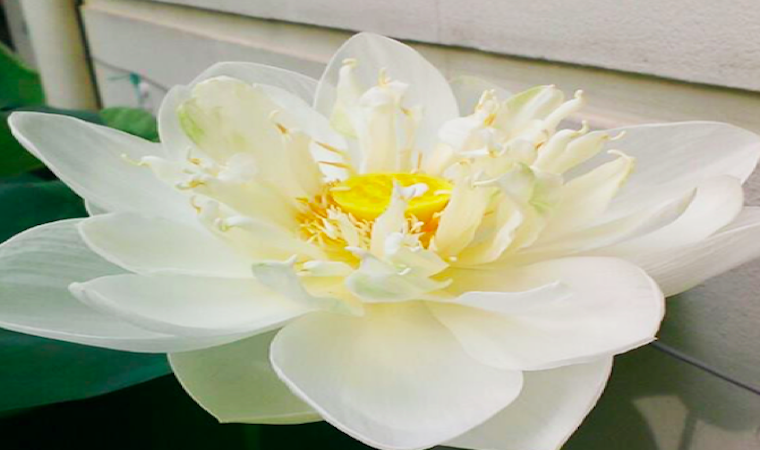
- Tinh De Lotus (Tinh De Lien): This is a rare and special lotus variety because it has two flowers blooming on the same stem. The flower is large, the stem is long, symbolizing unity and nobility.
- Super Lotus: The flower is light pink when it first blooms, then turns white when mature. The fragrance is mild, very popular in small gardens.
- Red Rosy Lotus: Has large pistils, thick and sharp outer petals, pink-red color stands out on the green leaves. A good choice for those who love lotus with bright colors.
- Red Silk Lotus: This is an early blooming lotus variety, large flowers, many petals, long, pointed petals, dark red color. Very easy to grow and easy to care for, suitable for beginners.
When choosing lotus varieties, farmers should consider aesthetic needs, price and growing conditions at home. In addition, for the plant to grow healthily, bloom evenly and have beautiful colors, the use of quality fertilizer is indispensable.
The meaning of growing lotus in pots
Growing lotus in pots is not only a simple gardening hobby but also has many profound cultural, spiritual and feng shui values. This is a way to bring the noble and pure beauty of lotus flowers into everyday living spaces – whether in the garden, porch or small balcony:
- Cultural and spiritual symbol: Lotus has long been considered a symbol of purity, nobility and freedom from worldly dust – “near the mud but not tainted by its smell”. In Buddhism, lotus symbolizes enlightenment and peace of mind. Growing lotus in pots is a way to show respect for profound spiritual values, while helping people find peace after hard working hours.
- Beautify the space and create a sense of relaxation: The blooming lotus flowers, emitting a gentle fragrance, not only help beautify the garden but also create a feeling of relaxation and lightness for the soul. Every morning, people look at the lotus flowers and listen to the birds chirping, which is enough to refresh the spirit, starting a new day full of energy.
- Feng Shui and Prosperity: According to Feng Shui, lotus can regulate vitality, ward off bad luck and bring good luck to the homeowner. Therefore, many people choose to place lotus pots in front of the house, porch or yard to create a positive energy source for the family.
- Easy to grow and care for: Although lotus grows in mud, it likes cleanliness, very suitable for Vietnam’s climate. Growing in pots helps control water, fertilizer, and prevent diseases more easily. With proper care, the lotus will grow evenly every year, giving beautiful flowers and green leaves all season long.
- With a subtle and profound meaning: From the time the lotus first sprouts, blooms until it withers, it is all a beautiful life cycle, evoking many emotions and life values. Therefore, the lotus is often chosen as a meaningful gift, in place of wishes for peace and luck to loved ones.
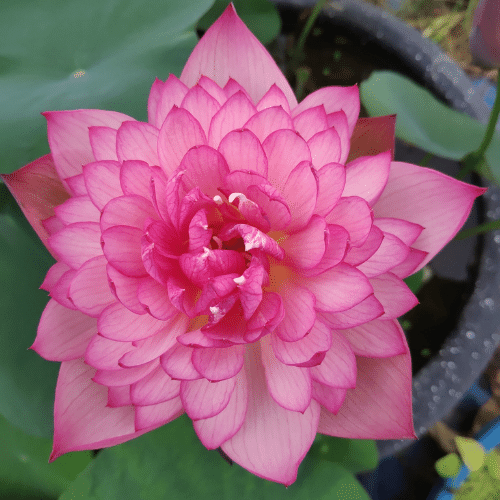
Conclusion
Growing lotus in pots not only helps people have a peaceful and beautiful garden space but also brings many spiritual values and good feng shui. Just choose the right lotus variety, prepare the right pot and soil, and take care of it properly – you can completely own pots of lotus blooming brilliantly. Hopefully the above sharing will help people grow lotus in pots successfully and have relaxing and peaceful moments next to the beautiful lotus flowers.
Related news

The Role of Base Fertilization in Soil Improvement and Enhancing Agricultural Fertility

Measures to Improve and Treat Saline Soil
Winter-Spring rice blast warning – Don’t let leaf and flower burns rob you of your golden crop

Rice Sowing Techniques for the Early Winter–Spring Crop
What Is Slow-Release Fertilizer? Learn How to Use It Effectively