
ACCOUNTING WITH FURTHER FARMERS
The “5 Right, 1 Balanced” Fertilization Principle for Effective Crop Application
In previous posts, Viet Nga Fertilizer has mentioned the issue of fertilizer utilization efficiency in our country, which only reaches 50% for each type. Specifically, the amount of fertilizer lost annually is very large: 1.77 million tons of urea, 2.07 million tons of superphosphate, and 344,000 tons of potassium.
Improper fertilization leads to wasted materials, money, and effort for farmers, pollutes the soil and water in farming areas, and harms human health.
Therefore, let’s explore the “5 Right Principles and 1 Balanced Application” with Viet Nga Fertilizer to ensure high efficiency!
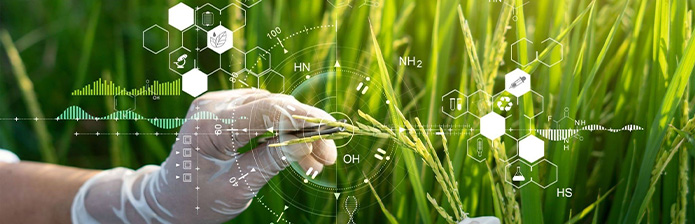
1. The right type of fertilizer
Each type of fertilizer has its own specific purpose; if applied incorrectly, it will not only be ineffective but may also harm the plants.
In addition, the soil characteristics must be considered when choosing fertilizers. Acidic soils should not be fertilized with acidic fertilizers, and saline soils should not be fertilized with alkaline fertilizers.
2. Fertilize at the right time.
The need for fertilizer varies at different stages of plant growth and development. For example, two months before harvest, apply potassium fertilizer and avoid nitrogen fertilizer, as the plant no longer needs vigorous growth at this time.
3. The right target audience
Besides plants, we need to pay attention to many other factors in the soil. Many organisms live in the soil, such as nitrogen-fixing microorganisms and phosphorus-decomposing microorganisms.
Therefore, when applying fertilizer, all the components of the agricultural ecosystem should be considered.
4. The right weather, the right season.
Weather also has a significant impact on the effectiveness of fertilizers. The rainy season washes away fertilizers, so only enough should be applied to meet the plant’s needs. At the same time, lightning during the rainy season fixes a certain amount of nitrogen in the air as nitrogen fertilizer, causing it to fall onto the fields; therefore, the amount of nitrogen fertilizer needed should be reduced.
Our ancestors also summarized this farming experience through the folk verse:
“The rice seedlings peek out at the edge of the field
As soon as they hear thunder, they raise their flags and grow.”
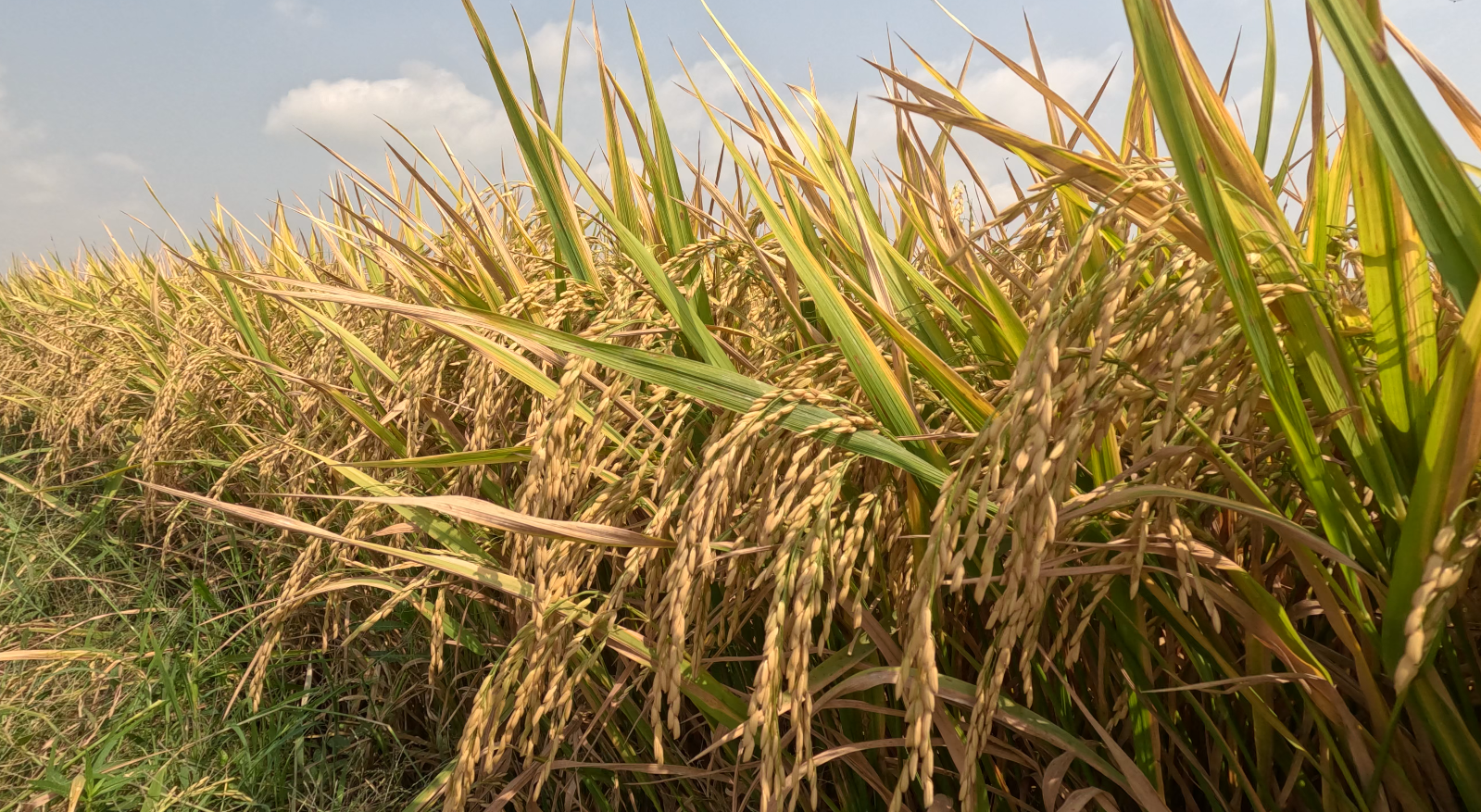
5. The right weather, the right season.
Depending on the crop, soil type, and weather conditions, there are many suitable fertilization methods to ensure crop yield and fertilizer efficiency.
– Fertilization methods: applying fertilizer in holes, applying fertilizer in furrows, spreading fertilizer on the surface, foliar spraying, etc.
– Fertilizer application forms: powdering, granulating fertilizer at the base of the plant, dissolving fertilizer in a solution for irrigation, etc.
– Fertilization periods: base fertilization, top dressing, flowering promotion, fruiting promotion, etc.
6. Balancing fertilizers
Each stage of growth and depending on the type of crop, there are different nutritional needs. Therefore, instead of applying just one type of fertilizer throughout the plant’s growth period, a combination of fertilizers with appropriate components should be used.
For example, Viet Nga’s specialized NPK fertilizer for the tillering stage has an NPK ratio of 20-15-5, while the panicle initiation stage has an NPK ratio of 15-5-20.
The above is the “5 Right, 1 Balanced” fertilization rule to help farmers improve crop efficiency, save costs, increase productivity and income. Wishing you a bountiful harvest and good prices!

Related news

The Role of Base Fertilization in Soil Improvement and Enhancing Agricultural Fertility
Measures to Improve and Treat Saline Soil
Winter-Spring rice blast warning – Don’t let leaf and flower burns rob you of your golden crop

Rice Sowing Techniques for the Early Winter–Spring Crop

What Is Slow-Release Fertilizer? Learn How to Use It Effectively