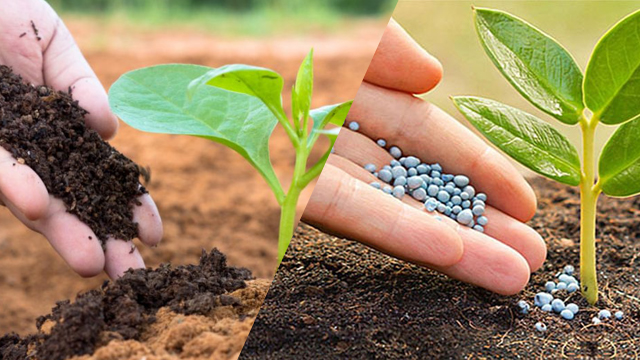
ACCOUNTING WITH FURTHER FARMERS
The right fertilizer for roses and the ideal time to apply it.
“First water, second fertilizer, third diligence, fourth seeds” is an experience passed down from our ancestors for generations. fertilizer for roses Fertilizers, like any other plant, play an important role. But you need to know how to choose the right fertilizer and apply it at the right time to maximize its effectiveness. Follow the article below from Viet Nga Fertilizer to gain more useful knowledge and produce roses with abundant blooms.
A. Techniques for growing roses
1. Choose a rose variety.
Choosing the right rose variety to suit your climate and preferences is the first important step. There are many different rose varieties, such as climbing roses, bush roses, and Sapa antique roses… Each type has its own advantages and disadvantages. Climbing roses are suitable for decorating gates and fences, while bush roses are better suited for planting in pots or creating small, charming flowerbeds. Depending on your preferences and space, you can choose the appropriate rose variety.
2. Prepare the soil for planting.
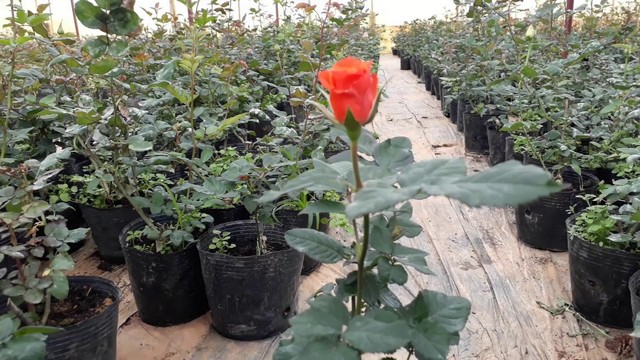
The ideal soil for growing roses is loose, nutrient-rich, and well-draining. You can mix loam, well-rotted manure, coconut fiber, and rice husk ash in appropriate proportions to create the perfect rose potting mix. Before planting, treat the soil with lime to kill fungal diseases.
3. Cách trồng hoa hồng
Planting roses in pots: Choose a pot of suitable size, place a layer of gravel at the bottom for drainage. Then, fill the pot with the prepared soil, place the rose plant in the center, and cover with soil. Water just enough to keep the soil moist.
Planting roses from cuttings: Cut a healthy rose branch about 20cm long and plant it in prepared soil. Water regularly and provide shade until roots develop.
4. Chọn vị trí trồng
The ideal location for growing roses is a spot with plenty of sunlight, at least 6 hours a day. The plants also need to be well-ventilated and protected from waterlogging.
B. Fertilization techniques for roses
1. Types of fertilizers for roses
Roses need adequate nutrition to grow well and produce beautiful flowers. You can use organic fertilizers for roses such as well-rotted manure, vermicompost, or inorganic fertilizers such as NPK.
2. How to fertilize roses
Base fertilization: Before planting, mix well-rotted manure into the soil to provide initial nutrients for the plants.
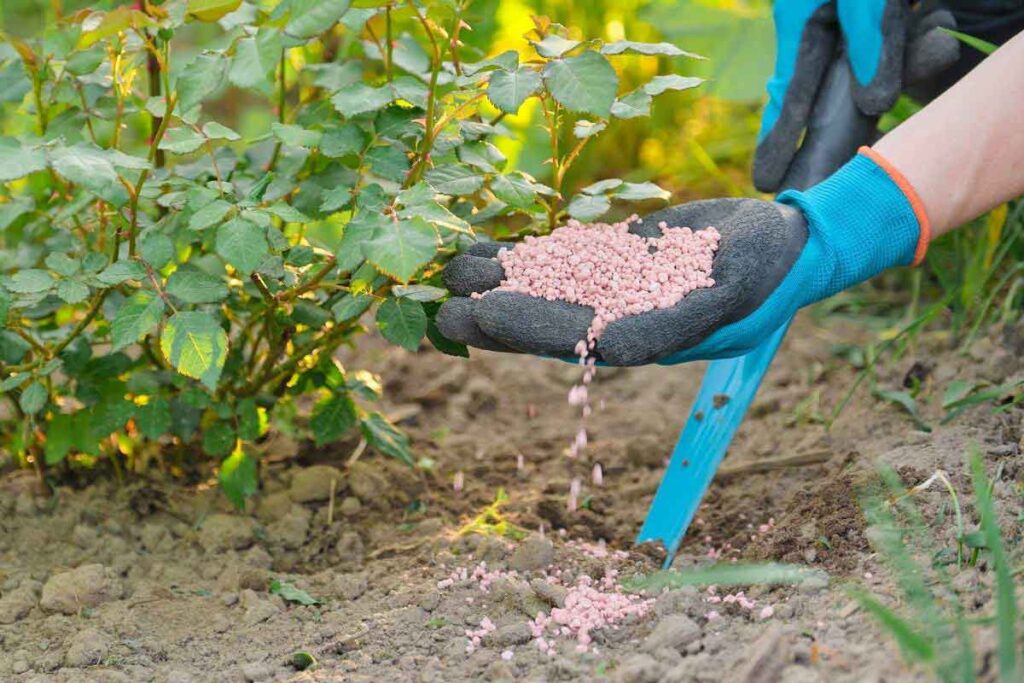
Fertilization: About 2-3 weeks after planting, you can start fertilizing with NPK fertilizer or foliar fertilizer. The fertilization schedule for roses is usually every 2-3 weeks. For roses to bloom, increase the amount of potassium fertilizer.
Fertilizing after pruning: After pruning, it is advisable to fertilize to help the plant recover and grow quickly.
3. Notes on caring for and fertilizing roses
Avoid over-fertilizing or using the wrong type of fertilizer, as this can harm the plants. Water thoroughly after fertilizing.
- Frequency: Water roses regularly, especially in hot, dry weather. However, avoid overwatering, which can cause root rot. The watering frequency depends on weather conditions and soil type. Check soil moisture by pressing your finger into the soil. If the soil is dry to the touch (about 2-3 cm), watering is necessary.
- Timing: Watering should be done in the early morning or late afternoon, avoiding watering during the hot midday sun.
- Watering method: Gently water the base of the plant, avoiding watering the leaves and flowers to prevent disease.
Conclusion
Growing and caring for roses isn’t difficult if you master the planting and fertilizing techniques shared above. Hopefully, this article will help you achieve the vibrant rose garden you desire. By applying the correct planting, fertilizing, and care techniques, you’re sure to have a stunning rose garden that blooms year-round.
Related news
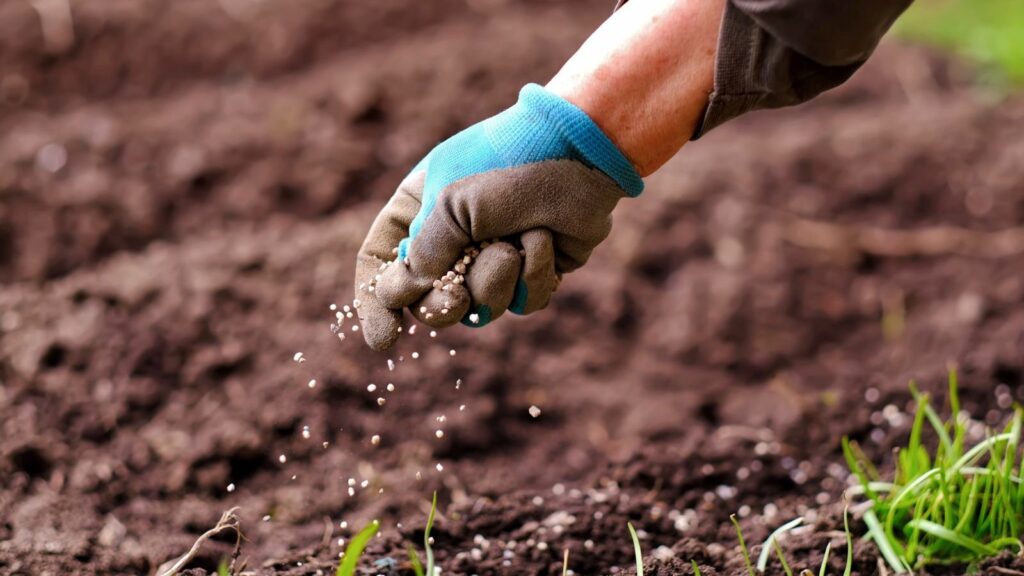
The Role of Base Fertilization in Soil Improvement and Enhancing Agricultural Fertility
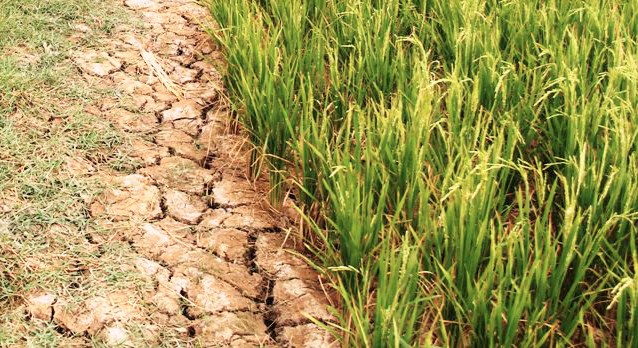
Measures to Improve and Treat Saline Soil
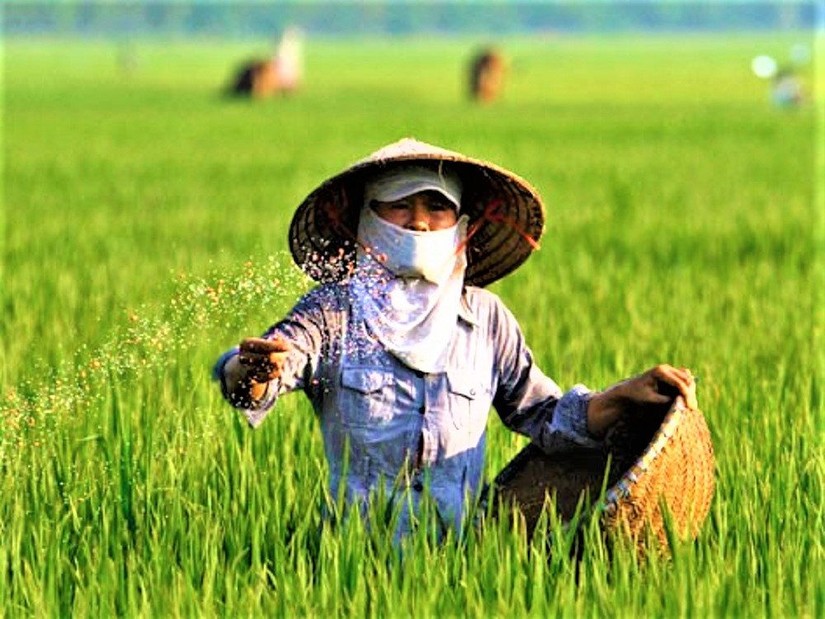
Winter-Spring rice blast warning – Don’t let leaf and flower burns rob you of your golden crop

Rice Sowing Techniques for the Early Winter–Spring Crop
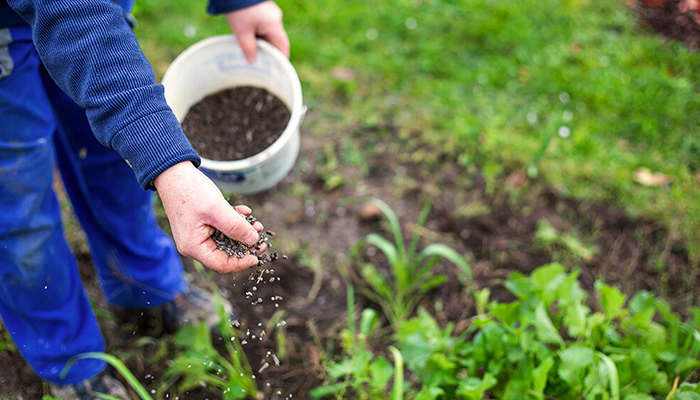
What Is Slow-Release Fertilizer? Learn How to Use It Effectively