ACCOUNTING WITH FURTHER FARMERS
Using Coffee Grounds for Plants: Turning Waste into Organic Fertilizer at Home
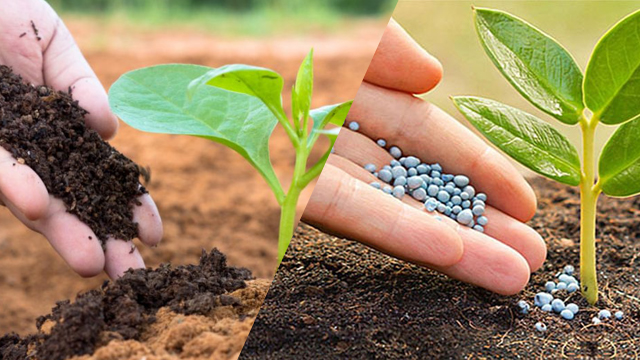
Coffee grounds are often seen as household waste, but few people realize they’re actually a nutrient-rich organic fertilizer for plants. Making use of this natural byproduct not only helps reduce costs, but also improves soil quality, stimulates root growth, and naturally prevents pests and diseases.
In this article, Viet Nga Agri will guide farmers on how to properly use coffee grounds — turning this everyday “waste” into a valuable resource for your home garden.
What Are Coffee Grounds? Composition and Characteristics
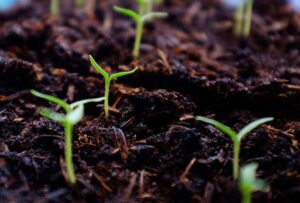
Coffee Grounds are the residue left after brewing coffee — often discarded as household waste. However, few people realize that this byproduct is actually a natural, nutrient-rich organic fertilizer that can be effectively reused for plants.
They contain essential minerals such as nitrogen (N), potassium (K), magnesium (Mg), phosphorus (P), and calcium (Ca), along with a small amount of caffeine.
. Nitrogen promotes lush, rapid plant growth. Potassium and magnesium strengthen plant resistance. Phosphorus and calcium support healthy root development. Thanks to these nutrients, coffee grounds are especially suitable for crops such as roses, lilies, carrots, potatoes, onions, and cabbages.
Beyond their rich nutrition, coffee grounds are organic, eco-friendly, and help retain soil moisture, creating ideal conditions for root development. As they decompose, they improve soil aeration, drainage, and pH balance, making them particularly effective for acid-loving plants.
Additionally, this special organic fertilizer stimulates beneficial soil microorganisms, naturally improving the soil ecosystem. With these benefits, farmers and gardeners can make the most of coffee grounds as a cost-effective and sustainable solution for home gardening.

Can Coffee Grounds Be Used as Fertilizer?
Yes — coffee grounds can absolutely be used to fertilize plants and bring great benefits when applied correctly. Thanks to their high nutrient content, they help plants grow lushly, boost immunity, and nourish healthy root systems.
In addition, coffee grounds improve soil structure, retain moisture, and stimulate beneficial microorganisms in the soil. However, farmers should avoid applying fresh grounds directly, as this may cause root burn or hinder plant growth. Instead, coffee grounds should be composted or mixed with organic fertilizer to increase efficiency and ensure plant safety.
Benefits of Coffee Grounds for Plants and Soil
Provide Organic Nutrients
Coffee grounds are a natural, nutrient-rich fertilizer, especially high in nitrogen (N), potassium (K), and magnesium (Mg) — essential elements for strong plant growth. When mixed into the soil, these nutrients gradually decompose, providing a steady supply of nourishment while supporting beneficial soil microorganisms.
Additionally, coffee grounds attract earthworms, which help improve soil fertility and enhance nutrient absorption for plants. For acid-loving plants such as tomatoes and roses, coffee grounds also help balance soil pH to the ideal level.
Improve Soil Texture and Aeration
Using coffee grounds regularly is an effective way to improve poor or nutrient-depleted soil.
When incorporated into the soil, they enhance structure, making it looser and better at retaining moisture, which creates favorable conditions for root growth.
Moreover, combining coffee grounds with vermicomposting (earthworm farming) further promotes the formation of fertile soil, enhances aeration, and stabilizes the biological balance of the soil ecosystem.
Repel Pests Naturally
Beyond its use as fertilizer, coffee grounds also serve as a natural pest repellent for gardens. The strong aroma and chemical composition of coffee grounds deter insects such as ants, snails, and other harmful pests, keeping them away from the treated area. When sprinkled around the base of plants, coffee grounds can also help suppress fungal pathogens like Pythium and Fusarium, protecting roots and stems from rot and wilt diseases. This method is a safe, chemical-free, and eco-friendly solution, easy to apply in home gardens while maintaining soil health and plant vitality.
Plants That Benefit from Coffee Grounds
With their slightly acidic nature, coffee grounds are ideal for certain types of plants that thrive in such soil conditions.
- Acid-Loving Flowers and Ornamental Plants :
- Roses, azaleas, hydrangeas, and peace lilies all prefer slightly acidic soil: Farmers and gardeners should mix coffee grounds with compost before applying, rather than sprinkling them directly — especially for roses. For hydrangeas, coffee grounds can even alter the flower color to blue if the soil contains aluminum.
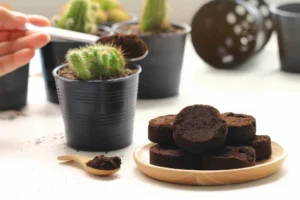
- Succulent plants such as cacti and jade plants also benefit from coffee grounds when grown outdoors — they help stimulate growth and improve moisture retention in the soil.
- Fruit and Vegetable Crops :
- Blueberries: Coffee grounds help increase soil acidity, creating the ideal environment for blueberry growth.
- Carrots, radishes, and cabbages: These vegetables are often attacked by snails. The residual caffeine and aroma in used coffee grounds repel snails while also adding nutrients to the soil. Farmers can sprinkle coffee grounds around plant bases or dilute them with water to spray around planting areas. For best results, reapply after heavy rain to maintain pest resistance and soil benefits.
When using coffee grounds, farmers should apply them in moderate amounts and mix with compost or organic fertilizer to avoid making the soil too acidic or causing root rot.
How to Use Coffee Grounds Effectively for Plants
Apply Directly to the Base of Plants
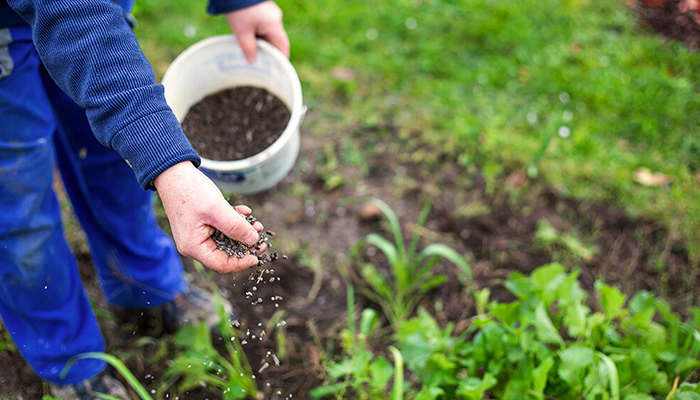
You can use dried coffee grounds and sprinkle a thin layer around the base of the plant. This simple method helps add organic matter, improve soil aeration, and retain moisture effectively. However, Viet Nga Agri avoid piling the grounds too thickly, as they may retain excess water, leading to mold growth or root suffocation. For best results, gently mix the grounds into the top layer of soil or combine them with compost before applying.
Mix with Soil or Organic Fertilizer
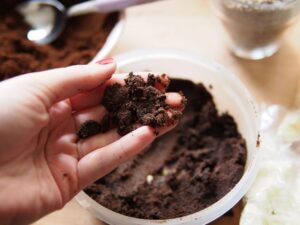
A more effective approach is to mix coffee grounds directly with soil or organic compost. The recommended ratio is 1 part coffee grounds to 10 parts soil.. This method helps improve soil structure, enhance microbial activity, and retain moisture, creating ideal conditions for plant growth. If combined with well-decomposed animal manure, the coffee grounds should make up only 10–25% of the total mixture to prevent the soil from becoming overly acidic. Because coffee grounds naturally lack certain nutrients, it’s advisable to supplement with potassium (K) and phosphorus (P) for balanced nutrition.This method is suitable for a wide range of crops — including vegetables, fruit trees, flowers, and ornamental plants — helping them grow healthier and more resilient.
Composting Coffee Grounds with Organic Waste to Create Biofertilizer
Turn Coffee Grounds into Compost This method makes the most of leftover coffee waste by turning it into rich, organic biofertilizer.
Farmers can combine coffee grounds with other organic materials such as leaves, vegetable peels, and sawdust, then add Trichoderma fungi or EM (Effective Microorganisms) to accelerate decomposition.
To maintain the right balance, make sure coffee grounds do not exceed ¼ of the total compost volume. Add molasses and keep the moisture level at around 50% to support microbial activity. After 4–5 months of proper composting, the mixture will fully decompose into dark, crumbly humus-like compost with no foul odor, ready to be used as fertilizer for many crops. This eco-friendly practice helps farmers recycle household organic waste and produce safe, nutrient-rich fertilizer at home, reducing costs and protecting the environment.
Common Mistakes When Using Coffee Grounds That Can Harm Plants
Overuse of Coffee Grounds
Although coffee grounds are rich in organic matter, using them excessively can inhibit plant growth due to the high caffeine content. Certain plants such as tomatoes, beans, and young seedlings are particularly sensitive to caffeine, which can stunt their development. In addition, applying too much coffee grounds may disrupt the soil’s nutrient balance, negatively affecting root activity and plant health. Viet Nga Agri recommends farmers use coffee grounds in moderation, mixing them with other organic fertilizers or compost to maintain soil balance and achieve the best results.
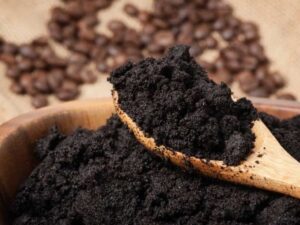
Using Wet Coffee Grounds Can Cause Mold
Applying wet or unprocessed coffee grounds directly to plants can easily lead to mold growth. Moist environments create ideal conditions for harmful fungi and bacteria to develop, which can damage roots and weaken the plant’s overall health. To prevent this, farmers should dry the coffee grounds thoroughly or ferment them with biological products such as Trichoderma to eliminate pathogens and improve organic decomposition.
Uneven Mixing or Applying Too Close to the Roots
When fresh coffee grounds are scattered directly around the base of plants without being mixed with soil or compost, they may form a dense layer that blocks airflow, leading to root suffocation. Additionally, applying too close to the roots can expose plants to excess caffeine or mold, especially if the grounds haven’t been properly treated. Farmers should mix coffee grounds evenly with soil or organic compost before application and keep a small distance from the stem, allowing plants to absorb nutrients gradually and safely.
How to Store and Prepare Coffee Grounds for Long-Term Use
To maximize the effectiveness of coffee grounds as fertilizer, Viet Nga Agri recommends farmers properly process and store them as follows:
- Dry After Brewing : After brewing coffee, spread the leftover grounds under sunlight until completely dry. This simple step helps prevent mold, while retaining essential nutrients for future use as fertilizer.
- Store in a Cool, Dry Place : Once dried, place the coffee grounds in a sealed plastic bag or airtight jar and store them in a well-ventilated, dry area. Avoid humid conditions to extend shelf life and maintain nutrient quality.
- Apply Correctly When Fertilizing : When using dried coffee grounds for plants, lightly water the soil after application to help nutrients penetrate deeper and improve absorption. This method enhances the fertilizer’s effectiveness and supports healthy root development for your crops.
Conclusion: Should You Use Coffee Grounds as Fertilizer?
While coffee grounds may not be as nutrient-rich as traditional organic fertilizers, they are an easily accessible, eco-friendly material that offers multiple benefits for soil improvement.
When processed and used correctly, farmers can effectively recycle coffee waste into a valuable organic fertilizer that enhances soil health and supports better plant growth.
Viet Nga Agri encourages farmers to combine coffee grounds with other organic fertilizers to increase fertilizer efficiency, reduce costs, and make the most of this useful household “waste.”
Related news
The Role of Base Fertilization in Soil Improvement and Enhancing Agricultural Fertility
Measures to Improve and Treat Saline Soil

Winter-Spring rice blast warning – Don’t let leaf and flower burns rob you of your golden crop

Rice Sowing Techniques for the Early Winter–Spring Crop
What Is Slow-Release Fertilizer? Learn How to Use It Effectively