
ACCOUNTING WITH FURTHER FARMERS
What is foliar fertilizer? Learn the basics of foliar fertilizer and how to use it effectively.
Foliar fertilizers are a nutrient solution that plants absorb quickly through their leaves, providing immediate effects on growth. Thanks to their ability to deliver nutrients directly, foliar fertilizers help plants grow vigorously, increase resistance, and improve yield. So, what types of foliar fertilizers are there and how can they be used most effectively? Let’s explore this in detail in this article from Viet Nga Fertilizer!
What is foliar fertilizer? Types of foliar fertilizers
Foliar fertilizers are nutrient compounds dissolved in water and sprayed directly onto plant leaves, allowing plants to quickly absorb essential nutrients. In particular, foliar fertilizers containing micronutrients stimulate faster and healthier leaf and flower growth. However, foliar fertilizers cannot completely replace soil fertilizers; they are merely a supplementary solution to help plants grow vigorously in the short term.
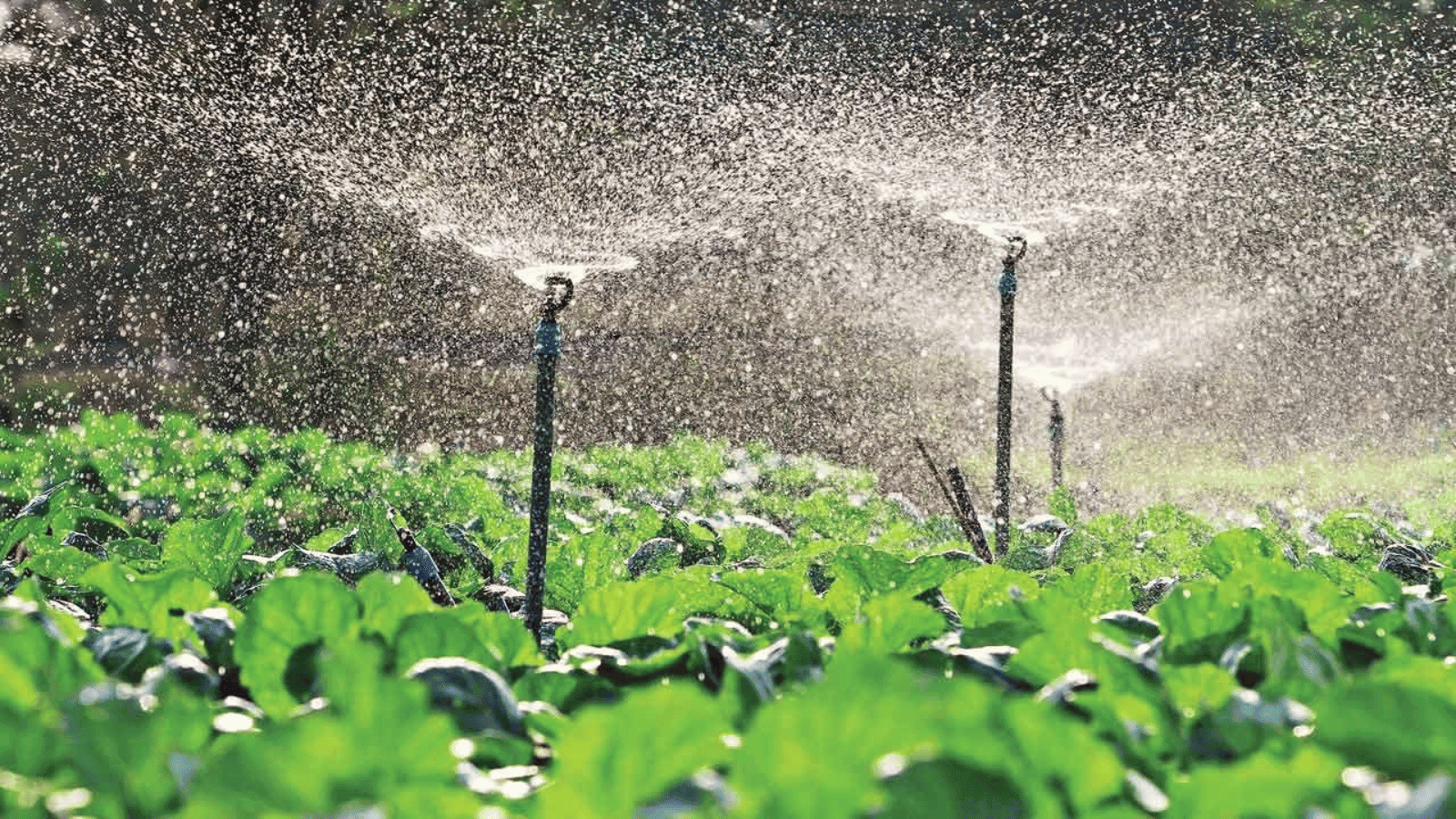
Types of foliar fertilizers:
- In the following format:
- Solid form: In powder form, it needs to be dissolved in water before spraying.
Liquid form: Already dissolved, easy to use and quickly absorbed.
- According to nutritional composition:
- Simple fertilizers: Contain one basic nutrient such as N, P, K, Cu, Zn.
- Mixed fertilizers: Contain a variety of macronutrients and micronutrients (N, P, K, Cu, Zn).
- Plant growth stimulants: These include added phytohormones or enzymes to enhance crop efficiency and yield.
- According to the mechanism of nutrient element linkage:
- Organic form: Derived from plants or animals, providing natural nutrients.
- Inorganic form: Contains chemical compounds that provide nutrients quickly.
- Organic-mineral formula: A combination of organic and mineral nutrients, providing long-lasting nourishment.
What nutrients do foliar fertilizers provide to plants?
Foliar fertilizers provide plants with essential nutrients that help them grow healthily, increase their growth rate, and achieve high yields. The nutrients in foliar fertilizers can be divided into three main groups:
- Macronutrients: These are essential elements for plant growth, including Nitrogen (N), Phosphorus (P), and Potassium (K). These substances help plants develop comprehensively, from stimulating growth and flowering to promoting root development.
- Micronutrients: Elements such as calcium (Ca), magnesium (Mg), and sulfur (S) play a crucial role in maintaining cell structure, helping plants absorb nutrients efficiently, and improving their ability to withstand harsh weather conditions.
- Micronutrients: Iron (Fe), Zinc (Zn), Manganese (Mn), Boron (B), Copper (Cu), Molybdenum (Mo), and Chlorine (Cl) are trace elements that are crucial for plants. They help plants improve their disease resistance, increase their immunity, and produce high-quality fruits and seeds.

Using foliar fertilizers provides rapid results because plants can absorb nutrients directly through their leaves, achieving an utilization efficiency of up to 95%. This helps plants meet their nutritional needs immediately, especially during emergency periods or when they need to quickly replenish deficient nutrients.
In addition, foliar fertilizers stimulate budding, branching, flowering, and fruit setting, helping to reduce premature fruit drop and increase fruit size and quality. Foliar fertilizers also help strengthen the plant’s resistance, reduce the risk of disease, and protect it from pests, diseases, and adverse environmental conditions.
How to use foliar fertilizers effectively
Foliar fertilizers are a useful method to help plants absorb nutrients quickly through their leaves, especially when plants cannot obtain enough nutrients from the soil. To use foliar fertilizers effectively, farmers need to follow these principles:
- Read the user manual carefully.: Before using foliar fertilizers, farmers should carefully read the instructions on the packaging, ensuring they use the correct type of fertilizer for each crop and apply the correct dosage. This will help the plants absorb nutrients most effectively and avoid waste.
- Dissolve the fertilizer and spray evenly.: Before spraying, thoroughly dissolve the fertilizer and shake well. Spray the leaves with a wet solution to ensure maximum contact with the leaf surface area. This helps the plant absorb the fertilizer more quickly and effectively.
- Do not mix with herbicides and fungicides: Foliar fertilizers can be mixed with insecticides but should not be mixed with herbicides or fungicides, as this may cause a chemical reaction, reducing the effectiveness of both.
- Choose the right time for spraying: Farmers should spray fertilizer in the early morning or late afternoon when the sun is not too strong, avoiding spraying when it is about to rain or when it is too hot, as this can reduce effectiveness or cause leaf burn.
- Spray the correct amount onto the plants.: Different plants will have different spraying requirements. For example, for dicotyledonous plants like tomatoes, oranges, and tangerines, farmers should spray concentratedly on the underside of the leaves. For monocotyledonous plants like rice or corn, spray evenly on both sides of the leaves.
- Foliar fertilizers cannot replace root fertilizers; they only supplement nutrients for plants during necessary stages, such as when plants are seedlings or when plants experience nutritional stress (nutrient deficiencies or poor growth due to unfavorable weather conditions).
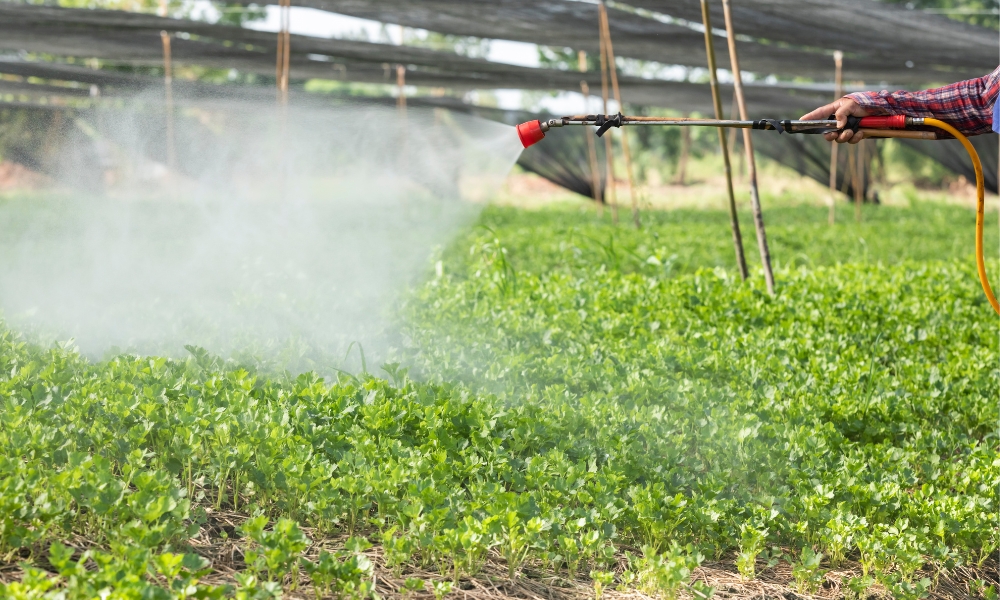
Notes on using foliar fertilizers
To achieve optimal results when using foliar fertilizers, farmers need to pay attention to several important points:
- Dilute fertilizer to the correct ratio: Diluting fertilizer according to the ratio indicated on the packaging is crucial to ensure plants receive sufficient nutrients without excess.
- Spraying time: Avoid spraying foliar fertilizers during intense sunlight, heavy rain, or when the plants are flowering. Intense sunlight can reduce the effectiveness of the fertilizer, while rain will wash it away before the plants can absorb it. In particular, do not spray when the plants are already waterlogged after rain, as the fertilizer will not be fully absorbed.
- Avoid high temperatures and dry soil.: When temperatures are high or the soil is dry, spraying foliar fertilizers can cause leaf drop. Therefore, farmers should spray during cooler times for best results.
- Use the correct concentration.: Avoid spraying foliar fertilizers at excessively high concentrations, as this can easily over-fertilize the plants. Start with a diluted concentration and gradually increase it if necessary.
- Avoid excessive pressure: When using a fertilizer sprayer, farmers should be careful not to let the spray air too strongly, as this can damage the leaf structure and plant growth.
- Combined with pesticides: In case of pest or disease infestation, farmers can mix foliar fertilizer with pesticides at a diluted concentration to save spraying time while still protecting the crops.
- Do not use foliar fertilizers when the plant is flowering or bearing fruit: Spraying foliar fertilizers at this time can cause flowers or fruits to drop, reducing yield.
Conclusion
Hopefully, this article has given farmers a general overview of the importance and effective use of foliar fertilizers to achieve high yields. Proper foliar fertilizer use not only promotes healthy plant growth but also saves costs and effort. Farmers should also remember to choose quality fertilizers from reputable suppliers to ensure the best results for their crops. We wish you success in caring for your crops and achieving outstanding yields!

Related news

The Role of Base Fertilization in Soil Improvement and Enhancing Agricultural Fertility
Measures to Improve and Treat Saline Soil

Winter-Spring rice blast warning – Don’t let leaf and flower burns rob you of your golden crop

Rice Sowing Techniques for the Early Winter–Spring Crop

What Is Slow-Release Fertilizer? Learn How to Use It Effectively