
ACCOUNTING WITH FURTHER FARMERS
What Is Microbial Organic Fertiliser? A Sustainable Cultivation Secret
Organic Fertiliser It is a type of fertiliser that combines organic matter with beneficial microorganisms, helping to improve soil quality while supplying essential nutrients to crops.
This eco-friendly solution is cost-efficient and promotes stable, long-term productivity for plants. In this article, Viet Nga Agri will help farmers gain a deeper understanding of microbial organic fertilisers and explain why they have become a top choice in modern, sustainable agriculture.
What Is Microbial Organic Fertiliser?
Microbial organic fertiliser is a type of fertiliser made from organic materials such as animal manure, plant residues, and organic waste, which are technically processed and fermented with beneficial microbial strains. This type of fertiliser combines organic matter with beneficial microorganisms, providing both nutrients for plants and soil-improving effects. When applied to the soil, these microorganisms become active — helping to decompose insoluble nutrients, enhance root absorption, and gradually improve soil fertility over time.
As a result, microbial organic fertilisers not only promote stable and healthy plant growth but also prevent soil degradation, allowing farmers to cultivate sustainably without soil exhaustion.
The Role and Benefits of Microbial Organic Fertilisers for Crops and Soil
For Crops:
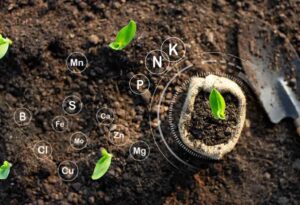
- Provides complete and balanced nutrition: Contains macro, secondary, and micronutrients (N, P, K …) together with beneficial microorganisms, helping plants absorb nutrients efficiently and grow uniformly.
- Increases yield and crop quality: Promotes healthy, vigorous growth, resulting in larger, better-coloured fruits that are free from chemical residues and meet food safety standards.
- Enhances plant resistance and reduces pests and diseases: The beneficial microbes and natural bio-compounds act as biological antagonists, helping plants fight off harmful pathogens and reduce dependence on pesticides.
- Improves plant metabolism: Stimulates efficient nutrient uptake, shortens the growth cycle, and minimises symptoms such as leaf yellowing or stunted growth.
For Soil:
- Long-term soil improvement: Helps the soil become looser and more porous, improving drainage, moisture retention, and nutrient-holding capacity.
- Enhances beneficial soil microorganisms: Promotes a balanced soil ecosystem and supports the natural decomposition of organic matter, enriching soil fertility over time.
- Reduces soil toxicity and acidity/salinity: Helps neutralise acidic, saline, or degraded soils, minimising the negative effects caused by long-term chemical fertiliser use.
- Prevents erosion and nutrient loss: Strengthens soil structure, reducing the risk of erosion or runoff after heavy rains or frequent irrigation.
- Environmentally friendly: Fully biodegradable, causing no pollution to surrounding water sources or air quality, making it a safe and sustainable choice for agriculture.
Distinguishing Between Organic, Bio, and Microbial Organic Fertilisers
Today’s agricultural market offers a wide range of fertilisers, but the three most commonly trusted types are organic fertiliser, biofertiliser, and microbial organic fertiliser. However, many farmers still confuse these categories. Viet Nga Agri helps clarify the differences between them through the following comparison table:
| Criteria | Organic Fertiliser | Biofertiliser | Microbial Organic Fertiliser |
| Origin | Derived from animal waste, agricultural by-products, organic residues, and peat. | A biological formulation containing beneficial microbial strains. | An organic fertiliser fermented with beneficial microorganisms. |
| Main Components | Natural organic matter. | At least one strain of beneficial microorganism. | Combination of organic matter and beneficial microbes. |
| Organic Matter Content | ≥ 20% | None | ≥ 15% |
| Microbial Count | None | ≥ 1 x 10⁸ CFU/g | ≥ 1 x 10⁶ CFU/g |
| Types of Microorganisms |
None |
– Nitrogen-fixing bacteria – Phosphate-solubilising bacteria – Fungal antagonists – Plant growth-promoting microbes |
– Nitrogen-fixing bacteria – Phosphate-solubilising bacteria – Nematode and pest control microbes – Fungal antagonists |
| Main Functions | Improves soil structure, enhances aeration and moisture retention, and maintains ecological balance. | Supplies beneficial microorganisms that decompose organic matter and strengthen plant resistance. | Both improves soil quality and introduces beneficial microbes to support plant growth and nutrient absorption. |
| Common Application Methods | Applied directly to soil, mixed into planting beds, or spread around the root zone. | Mixed with soil or nursery media, diluted with water for foliar spraying, or used in composting. | Applied directly to soil, spread around the base of plants, or mixed into growing substrates. |
Advantages and Disadvantages of Microbial Organic Fertilisers
| Advantages | Limitations |
| Makes the soil looser, better aerated, and moisture-retentive, ensuring sustainable soil health. | Takes time for microorganisms to multiply and show visible results. |
| Promotes helpful microorganisms in the soil, reducing harmful pathogens naturally. | Must be applied regularly across multiple seasons to achieve noticeable soil improvement. |
| Ensures steady nutrient release, preventing fertiliser shock and allowing plants to absorb nutrients more effectively. | If improperly produced or contaminated, the fertiliser may contain harmful pathogens that can damage crops. |
| Non-toxic, safe for users, and does not pollute water or air sources. | |
| Offers a reasonable price point, suitable for farmers’ economic conditions. | |
| Can be applied flexibly using advanced methods such as drone spraying, saving labour and time. |
Common Types of Microbial Organic Fertilisers
Today, microbial organic fertilisers are divided into several categories based on their functions and the types of beneficial microorganisms they contain. Below are the most common types that Viet Nga Agri recommends farmers to understand clearly in order to choose the right product for their cultivation needs:
- Nitrogen-Fixing Microbial Organic Fertiliser : Contains beneficial microorganisms capable of absorbing atmospheric nitrogen (N₂) and converting it into forms that plants can easily absorb.
This process helps enrich soil fertility, reduce the need for synthetic nitrogen fertilisers, and promotes strong, healthy plant growth with higher yields. - Phosphate-Solubilising Microbial Organic FertiliserThis type contains microbes that dissolve insoluble phosphorus compounds in the soil, turning them into plant-available forms.
Regular use improves root development, nutrient uptake, and enhances the plant’s resistance to environmental stress and diseases. - Potassium/Silicon-Solubilising Microbial Organic Fertiliser
Designed with microorganisms that release potassium and silicon from soil minerals and rocks, converting them into ion forms easily absorbed by plants.
Potassium (K) enhances crop quality, improving colour, flavour, and storage life.
Silicon (Si) strengthens plant cell walls, helping crops stay sturdy, upright, and resistant to lodging.
Organic-Matter/Cellulose-Decomposing Microbial Organic Fertiliser: This type contains microorganisms that decompose straw, crop residues, and fresh manure into nutrients readily available for plants.
It also improves soil structure, making it looser, better drained, and more fertile over time. - Disease-Suppressing Microbial Organic FertiliserFormulated with antagonistic microbial strains that help inhibit harmful pathogens in the soil.
Consistent use helps farmers reduce root and stem diseases naturally, minimising reliance on chemical pesticides while maintaining plant health. - Mineral- and Micronutrient-Enriched Microbial Organic FertiliserContains beneficial microbes that assist plants in absorbing essential elements such as silicon (Si) and zinc (Zn).
Although required only in small amounts, these micronutrients play an important role in plant metabolism, growth, and disease resistance. - Growth-Promoting Microbial Organic Fertiliser : A specialised type enriched with microbial strains that produce natural plant growth hormones such as IAA, Auxin, and Gibberellin.
These compounds help stimulate shoot and root development, enhance flowering and fruit set, and improve overall plant vitality and productivity.

Which Crops Are Suitable for Microbial Organic Fertilisers?
Microbial organic fertiliser is a versatile product that can be applied to most types of crops commonly cultivated by farmers. Below are the key crop groups that Viet Nga Agri recommends for optimal use:
- Vegetables and Root Crops Ideal for crops such as cabbage, lettuce, tomato, cucumber, potato, and carrot.
It helps plants grow uniformly, reduces chemical residues, and ensures safe, healthy produce for consumers. - Long-term Industrial Crops Suitable for crops like coffee, pepper, sugarcane, and palmyra palm, as it supports strong root systems, enhances growth stability, and improves harvest quality.
- Food Crops : For rice, maize, beans, and cassava, microbial organic fertilisers help enrich soil fertility, strengthen plants, and increase overall yield and grain quality.
- Ornamental Plants and Flowers: Applicable to both potted and ground-grown flowers such as bonsai, yellow apricot (mai vàng), and other decorative plants.
It promotes healthy roots, vibrant colours, and longer-lasting blooms. - Fruit Trees: Including pomelo, rambutan, jackfruit, mandarin, longan, strawberry, and guava.
Microbial organic fertilisers help plants develop strong fruits, improve sweetness and flavour, and maintain stable productivity season after season.
Standard Production Process for Microbial Organic Fertiliser
To produce high-quality microbial organic fertiliser, it is essential to follow the correct process and choose suitable raw materials. Viet Nga Agri recommends the following basic steps for safe and effective production:
Step 1: Prepare Raw Materials : Farmers can make use of agricultural by-products such as cow manure, sugarcane residue, coffee husks, and peat.
These materials are rich in organic matter and biodegradable, making them ideal for microbial composting.
Step 2: Ferment with Decomposing Microorganisms Mix all raw materials thoroughly, then inoculate with beneficial microbial strains that help break down organic matter.
The fermentation process must maintain proper moisture, aeration, and stable temperature to ensure that microorganisms remain active and efficient.
Step 3: Add Nutrients and Microbial Formulations
Based on specific formulations, additional microbial cultures can be added to boost effectiveness.
To enrich nutrient content, farmers may supplement with NPK fertiliser or micronutrients, ensuring the mixture is evenly blended for consistency.
Step 4: Packaging and Storage
Once fermentation is complete, the fertiliser should be bagged and stored in a dry, well-ventilated area. Before use, farmers can either ferment further or dilute with water for irrigation.
Note: Avoid mixing microbial organic fertilisers with chemicals or highly oxidising fertilisers, as these may kill beneficial microorganisms and reduce product effectiveness.
Guidelines for Effective Use of Microbial Organic Fertiliser
Timing, Application Method, and Dosage
To maximise the effectiveness of microbial organic fertilisers, farmers should apply them at the right time, in the right amount, and using the correct method. Below are detailed instructions from Viet Nga Agri:
- Basal Application (Before Planting or During Soil Improvement)
- Timing: Apply before sowing or transplanting, or during soil preparation.
- How to apply: Mix the fertiliser evenly into the soil or spread along planting rows, then cover with a thin layer of soil.
- Dosage: Typically 500–1000 kg per hectare, depending on the crop type.
. Note: For vegetables and short-term crops, make sure the fertiliser is well-decomposed before use to avoid organic toxicity.
- Regular Top-Dressing (During Crop Growth Stages)
- Timing: Apply during key growth phases such as root and leaf development, flowering, and fruit formation.
- How to apply:
- Granular form: Evenly spread around the plant base.
- Liquid form: Dilute with water and apply through irrigation to the root zone.
- Granular form: Evenly spread around the plant base.
- Frequency: Every 15–30 days, depending on the crop’s nutritional needs and soil fertility.

Important Notes for Optimal Use
To ensure maximum effectiveness of microbial organic fertilisers, farmers should keep in mind the following key recommendations:
- Do not mix directly with chemical fertilisers that have a high salt content such as urea or DAP, as these can inhibit or kill beneficial microorganisms. It’s best to apply them 7–10 days apart, or choose specialised microbial fertilisers designed to be safely combined with chemical ones.
- When using microbial fertilisers with high nitrogen content, reduce the amount of inorganic fertiliser to avoid nitrogen excess. This prevents excessive shoot growth, which can negatively affect flowering and fruit setting.
- Always store the fertiliser in a dry, cool, and well-ventilated place, away from direct sunlight or high humidity.After opening the bag, make sure to seal it tightly to maintain the viability of microorganisms and preserve product quality.
Conclusion
Microbial organic fertiliser is not only a natural source of nutrients for crops but also a sustainable solution that helps farmers improve soil quality, increase productivity, and protect the farming environment in the long run.
As agriculture continues to move toward sustainability and safety, choosing the right fertiliser has become more important than ever. Viet Nga Agri believes that with proper knowledge and correct application, microbial organic fertilisers will become a trusted companion for farmers on their journey toward modern, efficient, and eco-friendly agriculture

Related news

The Role of Base Fertilization in Soil Improvement and Enhancing Agricultural Fertility
Measures to Improve and Treat Saline Soil

Winter-Spring rice blast warning – Don’t let leaf and flower burns rob you of your golden crop

Rice Sowing Techniques for the Early Winter–Spring Crop

What Is Slow-Release Fertilizer? Learn How to Use It Effectively