ACCOUNTING WITH FURTHER FARMERS
What is phosphate fertilizer? How to use phosphate fertilizer effectively.
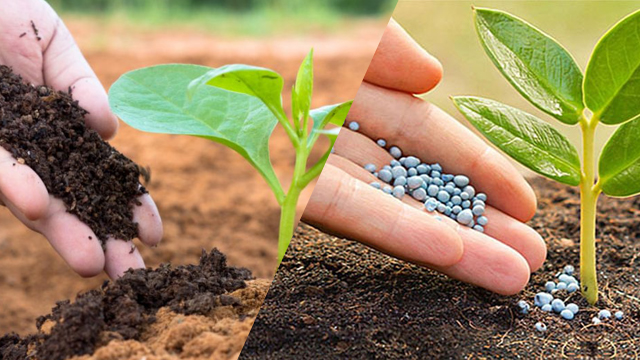
Of the three main nutrients needed for plants—nitrogen, phosphorus, and potassium—phosphate fertilizer is the most important. Phosphorus fertilizer plays a crucial role in root formation, flower bud development, and fruit production. While not providing immediate results like nitrogen fertilizer, phosphorus fertilizer helps plants develop sustainably from root to yield. So, what is phosphorus fertilizer and how to apply it correctly and effectively? Viet Nga Fertilizer will answer all your questions below!
What is phosphate fertilizer?
Phosphate fertilizers are inorganic fertilizers that supply phosphorus (P) – one of the three essential macronutrients alongside nitrogen (N) and potassium (K). Phosphate fertilizers help plants develop strong roots, flower at the right time, increase resistance, and participate in the formation of proteins and cell structures. Plants absorb phosphorus in the form of phosphate ions (PO4)3-, and both phosphorus deficiency and excess negatively affect plants, especially during the seedling and flowering stages.
Phosphate fertilizers are typically produced from apatite or phosphorite ores, either naturally occurring or processed, depending on the soil type and intended use. The nutrient content of phosphate fertilizers is calculated as the percentage of P2O5 in their composition. Additionally, phosphate is often combined with nitrogen and potassium fertilizers to create fertilizer mixtures that provide all three essential elements for plants.
2 common types of phosphate fertilizers
1. Natural phosphate fertilizer
This fertilizer is 100% natural, extracted from phosphorus-containing ores such as apatite and phosphorite., the material is then finely ground and used as fertilizer without any chemical processing. The fertilizer is usually rich in natural minerals from the decomposition of animal remains that have accumulated over time.
However, due to its slow solubility, natural phosphate fertilizer is absorbed slowly, making it suitable for base fertilization and long-term soil improvement, especially effective for acidic, saline, and degraded soils.
- Apatite: contains approximately 30–32% P2O5, is rich in calcium and minerals, and is suitable for phosphorus-poor soils and highly acidic soils.
- Phosphorite: contains approximately 8–12% P2O5, in dry powder form, recommended by experts for acidic and waterlogged soils, and suitable for legumes.
Note: It is recommended to apply base fertilizer early because the fertilizer is difficult to absorb, so its effects will be slow but long-lasting.
2. Processed phosphate fertilizer
Processed phosphate fertilizers are fertilizers produced from phosphate ore, treated with acid or heat to release phosphorus in ionic form. It helps plants absorb nutrients more easily. Fertilizer has the following effects: Fast-acting, suitable for both base fertilization and top dressing, and beneficial for many plant types.
Some common types:
- Molten phosphorus: Produced by heating phosphate ore at high temperatures. The main component of this type of velvet is Ca3(PO4)2 is alkaline., helps neutralize acidic soil. Powder form, color gray/blue grayIt is soluble in weak acids, and its effect is slow but persistent. It also contains… Calcium, magnesium, silicon, trace elements such as iron, copper, manganese…, suitable for acidic soils in the Mekong Delta, hilly and mountainous soils in the Southeast region, and degraded soils.
- Superphosphate: contains Ca(H2PO4)2Because it is easily soluble in water, quickly absorbed by plants, and highly effective, it is preferred. Superphosphate is also divided into two smaller types based on phosphorus content so that farmers can customize the choice to suit different types of plants.
- Superphosphate: contains 17–18% P₂O₅
- Double superphosphate: contains 37–47% P₂O₅
Note: Superphosphate is acidic, so it shouldn’t be used exclusively for acidic soil. If the soil is acidic, it should be… Combine it with lime or fused phosphate to avoid harming the plants.
Vai trò của phân lân là gì?
- Root development: Helps plants develop roots quickly, with strong and well-branched roots, increasing their ability to absorb water and nutrients.
- Formation of new tissues: Phosphorus forms the cell nucleus, which is essential for the formation of new parts such as buds, branches, flowers, and fruits.
- Flowering, fruit setting, and reduced flower and fruit drop: Helps plants flower at the right time, produces large flowers with less drop, increases fruit set rate, and results in larger fruits with firm seeds and even ripening.
- Nutrient transport: Supports the accumulation of sugars and starches in seeds, tubers, and fruits – increasing agricultural productivity and quality.
- Involved in metabolism: Contributes to photosynthesis, respiration, and the synthesis of proteins and enzymes necessary for plant growth.
- Increased resilience: Helps plants become stronger, more resistant to drought, waterlogging, cold, heat, and pests.
- Reducing the harmful effects of excess nitrogen: Helps balance nutrients and prevents plants from becoming weak and stunted due to excess nitrogen.
- Improving the quality of agricultural products: Fruits become more visually appealing, ripen evenly, and are easier to preserve, contributing to increased commercial value.
- Soil buffering effect: Helps plants tolerate slightly acidic or alkaline soil, often combined with nitrogen and lime.
The impact of phosphorus fertilizer on crops
1. Effects of phosphate fertilizer
Phosphorus fertilizer is an essential nutrient that helps plants grow healthily, especially during the growth phase. Some notable effects of phosphorus fertilizer include:
- Formation of new parts: Phosphorus forms the cell nucleus, which helps in the formation of flower buds, branching, flowering, and fruiting.
- Promotes root development and metabolism: Helps plants develop a strong root system, increasing nutrient absorption and supporting photosynthesis and respiration.
- Increased nutrient transport capacity: Supports the accumulation of sugars and starches in seeds and growing parts, helping plants withstand cold, heat, drought, flooding, and pests.
- Reducing the harmful effects of excessive nitrogen fertilization: Phosphorus fertilizers have a buffering effect, helping plants tolerate acidic and alkaline soils and limiting the risks of over-application of nitrogen.
2. When plants lack phosphorus fertilizer.
A lack of phosphorus will not only slow plant growth but also severely impact yield.
- Leaves change color – easily fall off.: Leaves change from green to yellow, then purplish-red (starting from the edges and older leaves at the bottom), and then many fall off. Branches and leaves develop poorly, the plant is stunted and grows slowly.
- Weak roots, small stem: The root system is poorly developed, reducing the plant’s ability to absorb nutrients. The stem is weak, resulting in inefficient photosynthesis.
- Few flowers, small fruits – easily damaged: Few flowers, difficulty setting fruit, slow ripening, susceptibility to disease, and low yield.
- Nitrate accumulation: This disrupts protein synthesis, causing leaves to shrink, stand upright, and become narrower.
3. When plants have excess phosphorus fertilizer.
Applying too much phosphorus is also not good, as it will cause:
- Ức chế sinh trưởng: Cây chậm lớn, phát triển không đều.
- Micronutrient deficiency: Excess phosphorus can reduce the absorption of zinc, copper, and other nutrients, leading to nutritional imbalances in plants.
- Unusual premature ripening of fruit: Affects quality and harvesting time, reducing the value of agricultural products.
How to use phosphate fertilizer correctly
According to soil type:
- Acidic soil: Use natural phosphate fertilizers or fused phosphate fertilizers because they are less likely to be fixed in soils with low pH.
- For poor, magnesium-deficient soils: Prioritize the use of fused phosphate fertilizer to supplement secondary minerals.
- For neutral or alkaline soil: Use superphosphate because it is easily soluble and readily absorbed by plants.
According to soil mechanical composition:
- Clay soil, heavy soil: Fertilizer tends to be retained, so apply it in rows and use a fast-dissolving fertilizer.
- Light soils, sandy soils: Fertilizers are easily washed away, so apply them multiple times, prioritizing slow-release fertilizers.
According to the characteristics of the crop type:
- Rice and other aquatic plants: Use fused phosphate fertilizer or natural phosphate fertilizer.
- Upland crops: Use superphosphate, applying it in planting holes, rows, or around the base of the plant.
Combine with manure:
- Mix phosphorus fertilizer into manure to increase absorption efficiency.
- Mixing ratio: Superphosphate: 2% and Phosphorite/crude phosphate: 3–5%
Supplement with micronutrients when needed:
- Applying too much phosphorus can cause deficiencies in zinc, copper, etc., so micronutrients should be added if the plant shows signs of nutrient deficiency.
The most reputable supplier of phosphate fertilizer in the Mekong Delta.
If you are looking for a supplier of high-quality phosphate fertilizer at a reasonable price and with dedicated support services, then Viet Nga Group Joint Stock Company is the top choice in the Mekong Delta.

Viet Nga Fertilizer – A trusted partner of farmers, is the largest fertilizer manufacturer and distributor in the region, and also a Tier 1 distributor of Phu My Fertilizer and Ca Mau Fertilizer. – two leading reputable brands nationwide. With over 30 years of partnership with farmers, Viet Nga Fertilizer not only provides products but also offers… Effective farming solutions to improve crop yields.

Why choose Viet Nga?
- High-quality products
- Diverse Product Range
- Stable supply of goods
- Attractive sales policies
- Marketing support
- Technical support
- After-Sales Support
- Fast and Reliable Delivery
- Training and workshops
- Reasonable prices
Conclusion
Proper use of phosphorus fertilizer will help plants develop healthy roots, produce good flowers, yield abundant fruit, and increase their resistance to adverse weather conditions. Depending on the soil type, crop, and season, farmers should choose the appropriate type of phosphorus fertilizer and apply it in the correct dosage. Don’t forget, Viet Nga Fertilizer is always ready to accompany and provide high-quality phosphate fertilizers and dedicated technical advice to help farmers produce with peace of mind.
Related news
The Role of Base Fertilization in Soil Improvement and Enhancing Agricultural Fertility
Measures to Improve and Treat Saline Soil
Winter-Spring rice blast warning – Don’t let leaf and flower burns rob you of your golden crop

Rice Sowing Techniques for the Early Winter–Spring Crop

What Is Slow-Release Fertilizer? Learn How to Use It Effectively