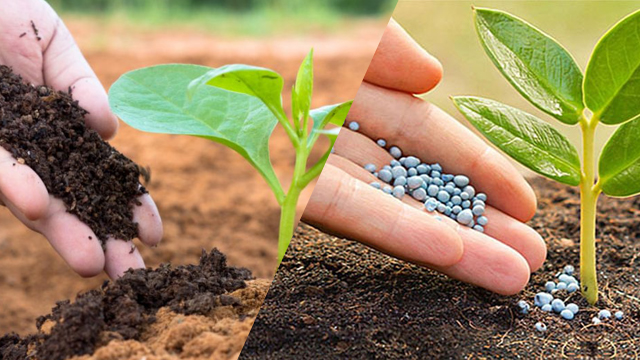
ACCOUNTING WITH FURTHER FARMERS
Which Fertilizers Can Acidify Soil? How to Effectively Control Soil pH for Crops
Soil acidity (pH) directly affects the ability of plants to absorb nutrients. Therefore, controlling and adjusting soil pH appropriately is a crucial step in farming. In practice, Some types of fertilizers can alter soil acidity if used improperly. This article from Viet Nga Fertilizer will help farmers identify fertilizers that can acidify the soil and how to use them appropriately to improve crop yields.
What is soil acidity?
Soil acidity, or soil pH, is an indicator of the acidity or alkalinity of the soil, measured on a pH scale from 0 to 14.. In agriculture, a lower pH value indicates acidic soil, while a higher pH value indicates alkaline soil. Farmers can understand the pH scale as follows:
- pH < 7: Acidic soil; the lower the pH value, the higher the acidity.
- pH = 7:
- pH > 7: Alkaline soils are generally less common in agricultural production.
In some areas with heavy rainfall or severe soil erosion, soil pH can drop very low. Soils with a pH below 3.5 are classified as very acidic soils, often severely deficient in nutrients such as calcium, magnesium, and phosphorus, and prone to the formation of aluminum (Al³⁺) and iron (Fe³⁺) toxins.

When soil is too acidic, plants have difficulty absorbing essential nutrients such as nitrogen, phosphorus, and potassium. This weakens plant health, reduces yield, and can cause root toxicity. Therefore, maintaining a suitable soil pH level is crucial for sustainable farming. Farmers need to regularly monitor soil pH and apply appropriate improvement measures such as applying lime in the correct dosage, using balanced fertilizers, and adjusting farming techniques to keep the soil fertile and stable in the long term.
How does soil acidity affect plant growth?
The effects of acidic soil on crops.
Soil with a very low pH (acidic soil) can cause many disadvantages for plants:
- When soil pH is low, aluminum ions (Al³⁺) increase, causing toxicity to roots and reducing their ability to absorb important nutrients such as potassium, calcium, and magnesium.
- Phốt pho dễ bị cố định trong môi trường đất chua, khiến cây khó hấp thu, làm giảm hiệu quả sử dụng phân bón.
- Poorly developed root systems lead to slow, stunted plant growth and reduced yield.
- Hệ vi sinh vật có lợi trong đất suy giảm, làm đất kém tơi xốp, mất cân bằng sinh học và gia tăng nguy cơ phát sinh nấm bệnh nếu không được cải tạo kịp thời.
Benefits of acidic soil
Although often disadvantageous, acidic soils still have certain roles in agriculture if used appropriately:
- Suitable for certain specific plants: Ideal for plants like blueberries, camellias, pineapples, pine trees, etc., which prefer an acidic environment.
- In acidic soil environments, certain micronutrients such as iron (Fe) and manganese (Mn) are more easily soluble, making them easier for plants to absorb.
- Certain groups of microorganisms are particularly capable of functioning in acidic soil conditions, aiding in the decomposition of organic matter.
- Đất chua nhẹ có thể hạn chế sự phát triển của một số đối tượng gây hại nhất định, tuy nhiên nếu đất quá chua sẽ gây tác động ngược, làm giảm sức đề kháng của cây trồng.
Cây trồng ưa đất chua
Some crops thrive in slightly acidic soils due to their more efficient absorption of micronutrients such as iron (Fe) and manganese (Mn), typical examples being blueberries, tea plants, pine trees, and pineapples. However, if the soil pH is too low, plants can still be weakened, their root systems will be underdeveloped, and yields will decrease.
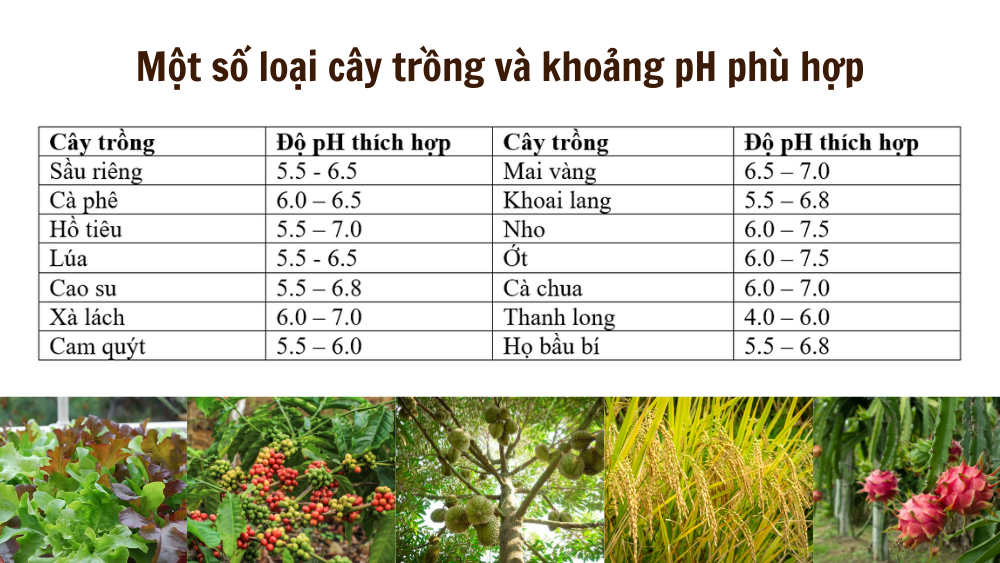
The plant prefers neutral to slightly alkaline soil.
Many common crops such as wheat, corn, and potatoes grow best in neutral to slightly acidic soil conditions. When the soil pH is too low, plants are prone to nutrient deficiencies, poor growth, yellowing leaves, and weak roots. Maintaining a suitable soil pH will help plants develop steadily and improve fertilizer efficiency.
The role of soil pH stabilization in the context of climate change.
In the context of increasingly unpredictable weather patterns, soil pH stability plays a fundamental role in sustainable farming:
- It helps plants absorb nutrients more efficiently, thereby increasing their resistance to drought and heavy rains.
- It improves soil structure, increases porosity, and reduces leaching and erosion.
- Stabilize agricultural productivity and quality, and improve long-term production efficiency.
Proper soil pH adjustment will help plants grow healthily, increase yields, and contribute to the long-term protection of soil fertility.
Different types of fertilizers affect soil acidity.
During cultivation, some types of fertilizers can lower soil pH if used for extended periods or improperly. Understanding the nature of each type of fertilizer will help farmers proactively control soil acidity and use fertilizers more effectively.
Organic fertilizer
Organic fertilizers such as manure and compost are not the type of fertilizer that acidifies the soil. During decomposition, organic fertilizers can produce a small amount of temporary organic acids, while also increasing humus, improving soil structure, and enhancing pH buffering capacity.
Therefore, organic fertilizers contribute to stabilizing soil acidity in the long term, maintaining moisture, and promoting the growth of beneficial microorganisms.
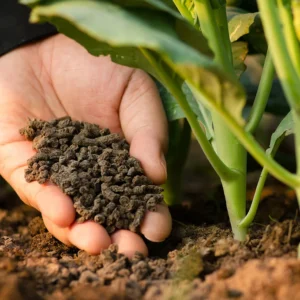
Mineral fertilizers can cause soil acidification.
Acidic mineral fertilizers (such as superphosphate and fused phosphate) contain acidic components that, when applied to the soil, lower the pH, making the soil more acidic. This type of fertilizer is suitable for plants that prefer acidic soil, helping them absorb nutrients better.
Some types of mineral fertilizers can make the soil more acidic with regular use, typically: Ammonium nitrogen fertilizers (SA, DAP, MAP, converted urea); Superphosphate fertilizer. These types of fertilizers, when introduced into the soil, generate H⁺ ions during metabolism, causing the soil pH to decrease over time. Therefore, they should be used in appropriate dosages and in combination with soil improvement measures.
Microbial fertilizers
Microbial fertilizers contain beneficial microbial strains that help decompose organic matter and increase nutrient conversion in the soil. During their activity, microorganisms can produce localized organic acids, supporting the dissolution of phosphorus and trace elements, but without causing prolonged soil acidification. Conversely, microbial fertilizers contribute to balancing the soil’s biological system and improving fertility.
Choosing the right fertilizer to control soil acidity.
During cultivation, farmers need to understand the impact of each type of fertilizer on soil acidity (pH).
Choosing the right fertilizer for soil improvement is crucial in sustainable farming, and selecting a reputable supplier is equally important.
With over 30 years of experience, Viet Nga Fertilizer consistently delivers high-quality products and tailored nutritional solutions for various soil and crop conditions. We are proud to be a Tier 1 distributor of Phu My Fertilizer and Ca Mau Fertilizer, while also manufacturing and supplying organic fertilizers and soil improvement solutions to promote healthy and sustainable crop growth.

At Viet Nga Fertilizer, farmers and dealers will receive comprehensive support, from technical advice and guidance on effective fertilizer use to a stable supply of goods, a nationwide distribution system, and support policies and fast delivery when cooperating with Viet Nga long-term.
3 steps to adjust soil acidity
1. Analyze the pH of the soil.
Before adjusting soil acidity, farmers need to check the pH level to determine the current acidity or alkalinity of the soil. Below are some common methods for checking soil pH:
| No. | Method | Advantages | How to test | Suitable subjects |
| 1 | Simple test kit | Easy to use, low cost. | Take a soil sample, mix it with the test solution, and read the results using the color chart. | Suitable for beginner farmers and small plots of land. |
| 2 | Professional Testing Services | Accurate results, detailed information. | Send soil samples to the testing center and receive accurate results on pH, moisture, and nutrients. | Farmers need detailed information, especially for large areas. |
| 3. | Using an electronic pH meter | Fast, accurate, and easy to use. | Insert the sensor into the soil and read the result displayed on the screen. | Farmers, ranchers, or technicians who need to monitor pH regularly. |
2. Choosing the right fertilizer
Based on the pH analysis results, farmers need to choose the appropriate fertilizer to adjust the soil pH to a level suitable for crops, thereby creating favorable conditions for growth and more efficient nutrient use. For acidic soils, farmers can apply remediation measures such as applying lime in the correct dosage, combined with organic fertilizers or microbial fertilizers to gradually raise the soil pH, improve soil structure, and increase long-term fertility. In addition, some suitable mineral fertilizers such as fused phosphate or macro- and micronutrients can be used, avoiding overuse of fertilizers that can further acidify the soil.
Farmers should also pay attention to the pH requirements of each crop and the timing of fertilization. Each crop has a different optimal pH range, and soil pH can fluctuate with the seasons and weather conditions.
- During the rainy season, the soil is more susceptible to nutrient leaching and tends to become more acidic; therefore, it is necessary to add lime, organic fertilizer, or microorganisms to stabilize pH and improve soil quality.
- During the dry season, it is necessary to monitor soil pH regularly and apply balanced fertilization, avoiding overuse of acidic mineral fertilizers, in order to maintain soil pH at a level suitable for crops.
3. Timing of fertilization
Generally, farmers should apply soil conditioner before planting or at the beginning of the rainy season, allowing the fertilizer time to dissolve and affect the soil, helping plants develop favorably from the start. During the growth process, farmers can supplement with appropriate fertilizers according to each stage of plant development, combined with regular monitoring of soil pH to make timely adjustments, helping plants grow healthily and maintain stable yields.
Lợi ích của việc kiểm soát và điều chỉnh pH đất phù hợp
Soil acidity is influenced by many factors, among which fertilizer use plays a crucial role. Understanding the relationship between soil pH and fertilizers will help farmers choose appropriate solutions, minimize risks, and improve farming efficiency.
The plants grow healthily and have increased resistance.
When soil pH is adjusted to suit each crop, the root system develops better, helping the plant absorb nutrients more efficiently and improving its resistance to pests and diseases. Maintaining stable soil pH also creates conditions for the balanced development of beneficial microorganisms, contributing to crop protection and stable yields.
Improve nutrient absorption
At the appropriate pH level, especially for plants that prefer slightly acidic soil, certain micronutrients such as iron (Fe), manganese (Mn), and zinc (Zn) become more easily soluble, facilitating plant absorption. This leads to better plant growth, uniform flowering and fruiting, and improved agricultural product quality.
Contributing to sustainable agricultural development.
Proper soil pH control and adjustment not only increases productivity but also maintains soil fertility and biological balance. Rational fertilizer use helps limit soil degradation, improves soil quality with each growing season, and ultimately contributes to sustainable farming and long-term environmental protection.
Considerations when choosing fertilizers to control soil acidity.
- Check soil pH before choosing fertilizer: Make sure you understand the soil condition before applying any fertilizer.
- Choose fertilizers suitable for your crop: Each crop has different pH requirements, so choosing the right fertilizer is crucial.
- Choose quality fertilizers from reliable sources: Use fertilizers from reputable suppliers like Viet Nga Fertilizer to ensure effectiveness and safety.
- Fertilize at the right time: For best results, fertilize before sowing seeds or at the beginning of the rainy season.
- Use fertilizer appropriately: Avoid over-fertilizing; stick to the recommended dosage to prevent the soil from becoming too acidic.
- Monitor soil and plant conditions after fertilization: Check pH levels and plant health to make timely adjustments if necessary.
Conclusion
Adjusting and maintaining soil pH at the appropriate level is crucial for healthy plant growth, efficient nutrient absorption, and stable yields. For long-term farming success, farmers need to choose fertilizers suitable for their soil conditions and the specific needs of each crop, and apply fertilizers using the correct techniques and at the right time. With over 30 years of experience in fertilizers and plant nutrition solutions, Viet Nga Fertilizer is committed to providing high-quality products and supporting farmers throughout their cultivation process. We wish you successful and sustainable business! For any questions, please contact Viet Nga Fertilizer for detailed advice.
Related news
The Role of Base Fertilization in Soil Improvement and Enhancing Agricultural Fertility
Measures to Improve and Treat Saline Soil

Winter-Spring rice blast warning – Don’t let leaf and flower burns rob you of your golden crop

Rice Sowing Techniques for the Early Winter–Spring Crop
What Is Slow-Release Fertilizer? Learn How to Use It Effectively