How Bio-Organic Fertilizer Detoxifies Acid Sulfate and Saline Soils
Date
Contents· 18 sectionsExpandCollapse
- What Is Bio-Organic Fertilizer? Composition and Key Features
- Main components of bio-organic fertilizer
- Bio-organic fertilizer vs. conventional organic fertilizer
- Bio-Organic Fertilizer Helps Detoxify Acid Sulfate Soil
- Reduces soil acidity
- Detoxifies the root system
- Makes the soil looser and easier to cultivate
- Increases beneficial soil microorganisms
- Long-Term Benefits of Using Microbial Fertilizer
- Restores soil humus
- Reduces dependence on chemical fertilizers
- Toward sustainable farming
- When Should Bio-Organic Fertilizer Be Prioritized?
- Land cultivated for many years with continuous chemical fertilizer use
- Leaf yellowing caused by acid sulfate toxicity
- Hardened soil with poor water infiltration
- After drought, salinity or saltwater intrusion
- Conclusion
As farmland is increasingly affected by acid sulfate and salinity, finding safe, sustainable soil improvement solutions has become a major concern for farmers. Bio-organic fertilizer is considered an effective approach thanks to its ability to increase humus, improve the soil microbial community, reduce toxic metal ions and support the natural recovery of soil structure. So how does bio-organic fertilizer help detoxify acid sulfate and saline soils, and why is it seen as a long-term solution for farmland? Join Viet Nga Fertilizer to learn the details right below.
What Is Bio-Organic Fertilizer? Composition and Key Features
Bio-organic fertilizer is a fertilizer derived from natural organic matter (well-composted manure, peat, composted agricultural by-products…) supplemented with beneficial microbial strains at a viable density meeting current regulatory standards. The product not only supplies humus to improve the soil but also adds microorganisms that work directly in the root zone, increasing nutrient uptake and improving long-term fertility.
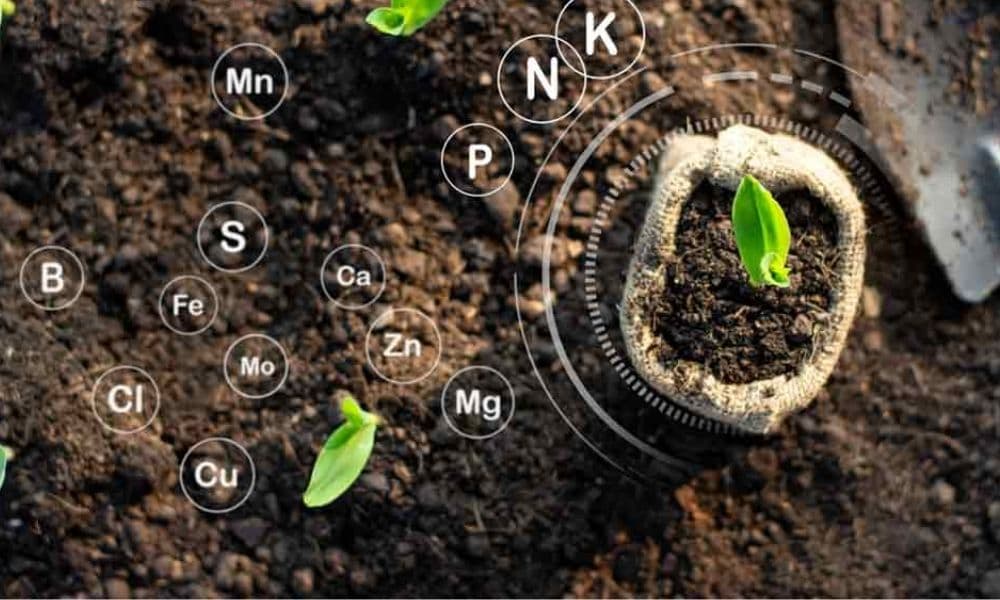
Main components of bio-organic fertilizer
Bio-organic fertilizer is made up of two core elements: organic matter content and a selected community of beneficial microorganisms. This combination sets it apart from conventional organic fertilizers.
Organic matter (Organic Matter – OM%) plays a fundamental role in soil improvement. High organic content increases humus, improves soil structure, loosens the soil and enhances its ability to retain water and nutrients. At the same time, humus raises the cation exchange capacity (CEC), helping crops absorb nutrients more efficiently, especially on acid sulfate and saline soils.
A beneficial microbial community at standard density is the decisive factor in the soil's biological recovery. Common microbial groups in bio-organic fertilizer include:
- Nitrogen-fixing microbes that convert nitrogen from the air into forms plants can easily absorb
- Phosphate-solubilizing microbes that release phosphorus fixed in acid sulfate soil
- Cellulose-decomposing microbes that accelerate humus formation
- Trichoderma, which suppresses fungal diseases and stimulates root development
By combining a humus-rich organic source with living microorganisms, bio-organic fertilizer not only supplies nutrients but also regenerates the soil ecosystem in a natural, sustainable and long-lasting way.
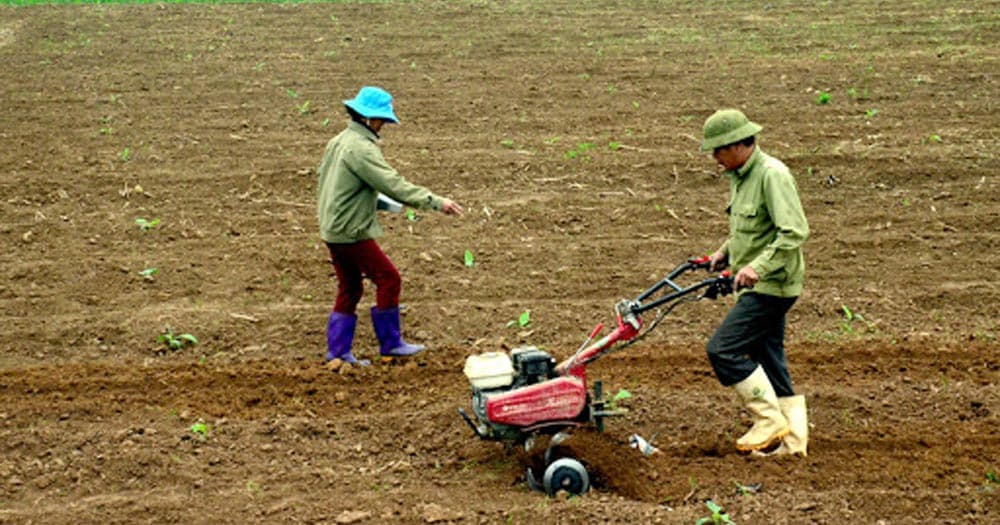
Bio-organic fertilizer vs. conventional organic fertilizer
Although both are organic in origin, bio-organic fertilizer has many advantages thanks to its added beneficial microorganisms. The difference is especially clear when used on acid sulfate and saline soils.
Criteria | Traditional organic fertilizer | Bio-organic fertilizer |
Origin | Well-composted manure, compost, peat | Natural organic matter + selected microbial strains |
Organic matter content | Yes | Yes |
Soil improvement mechanism | Mainly increases humus and improves soil structure | Increases humus + activates the soil microbial community |
Speed of soil improvement | Slow; depends on natural decomposition | Faster thanks to microbial decomposition and mineralization |
Long-term sustainability | Moderate | High; helps restore the soil ecosystem |
Bio-Organic Fertilizer Helps Detoxify Acid Sulfate Soil
Acid sulfate soil is usually highly acidic, “burning” plant roots and causing yellow leaves and slow growth. Left untreated, the soil becomes increasingly hardened and plants absorb fertilizer poorly despite heavy application. In this situation, bio-organic fertilizer is considered a safe and sustainable soil improvement solution.
Reduces soil acidity
When bio-organic fertilizer is applied, the organic matter decomposes into humus. This humus gradually makes the soil less acidic over time, and the environment around the roots becomes better aerated. As a result, roots suffer less burning, grow healthier and absorb nutrients better.
Detoxifies the root system
Acid sulfate soil often turns roots black, rotten or suffocated. The organic matter in the fertilizer binds toxic substances in the soil, reducing their direct impact on plant roots. With healthy roots, plants put out strong shoots, have green leaves and recover faster.
Makes the soil looser and easier to cultivate
One of the most visible benefits of bio-organic fertilizer is looser soil. The soil is no longer too hard, water infiltrates better, and roots grow deeper and spread wider. This is very important for rice fields or long-cultivated land hardened by heavy chemical fertilizer use.
Increases beneficial soil microorganisms
Bio-organic fertilizer contains beneficial microorganisms that decompose rice straw and organic residues faster. The soil therefore becomes richer in natural nutrients, plants absorb fertilizer better and suffer fewer root diseases.
Long-Term Benefits of Using Microbial Fertilizer
Using bio-organic fertilizer is effective not just for one season but also lays the foundation for long-term soil improvement. When applied over many seasons, the soil gradually recovers in fertility, structure and microbial ecosystem.
Restores soil humus
After many years of cultivation and continuous chemical fertilizer use, soil organic content usually declines, and the soil becomes hardened and less porous. This is why roots develop weakly and water and fertilizer retention drop markedly.
Bio-organic fertilizer replenishes the soil's organic matter. As the fertilizer decomposes, the soil's humus (OM) content increases, so that:
- The soil is looser and easier to plow
- It retains water better in the dry season
- It retains nutrients better and reduces leaching
In addition, the added beneficial microorganisms multiply in the soil and decompose rice straw and plant residues faster. As a result, the soil is gradually “nourished back” naturally and no longer degraded as before.
Reduces dependence on chemical fertilizers
When the soil is healthy and rich in microorganisms, crops' nutrient uptake improves significantly. This increases NPK fertilizer efficiency and reduces cases where heavy fertilization is not fully absorbed by plants.
Specifically, bio-organic fertilizer helps:
- Increase the soil's retention of nitrogen, phosphorus and potassium
- Limit nutrient loss through leaching or volatilization
- Help plants absorb nutrients more steadily and in better balance
As a result, farmers can gradually reduce chemical fertilizer rates over time while maintaining stable yields. This is an important factor in cutting production costs and protecting the soil in the long run.

Toward sustainable farming
Using bio-organic fertilizer fits today's sustainable agriculture trend, especially amid climate change and increasingly strict clean production requirements. When soil humus is restored and the microbial community is balanced:
- The soil regenerates naturally more effectively
- Soil-borne pests and diseases are reduced
- Emissions decrease as overuse of chemical fertilizers is limited
For rice and many other crops, healthy soil allows plants to grow steadily, improves crop quality and suits high-quality, low-emission rice production models. Biological soil improvement solutions are also the direction Viet Nga Fertilizer is pursuing, contributing to green, sustainable agriculture that better adapts to today's changing climate.
When Should Bio-Organic Fertilizer Be Prioritized?
Soil does not need improvement only when it is severely acid sulfate or saline. In practice, bio-organic fertilizer should be prioritized in the following cases to restore the soil promptly and prevent long-term degradation.
Land cultivated for many years with continuous chemical fertilizer use
After many years of continuous rice or orchard cultivation, soil usually loses humus, becomes hardened and retains nutrients poorly. Bio-organic fertilizer rebuilds humus, increases beneficial microorganisms and improves soil structure season by season.
Leaf yellowing caused by acid sulfate toxicity
If plants show black roots, physiological leaf yellowing and slow growth despite adequate fertilization, the soil is very likely affected by acid sulfate. In this case, bio-organic fertilizer reduces the impact of acid sulfate toxicity on the roots, helping them recover and absorb nutrients better.
Hardened soil with poor water infiltration
Soil that crusts, is hard to plow, or drains slowly after rain is a sign of insufficient organic matter. Adding bio-organic fertilizer makes the soil looser, increases water infiltration and helps roots grow deep and spread wide.
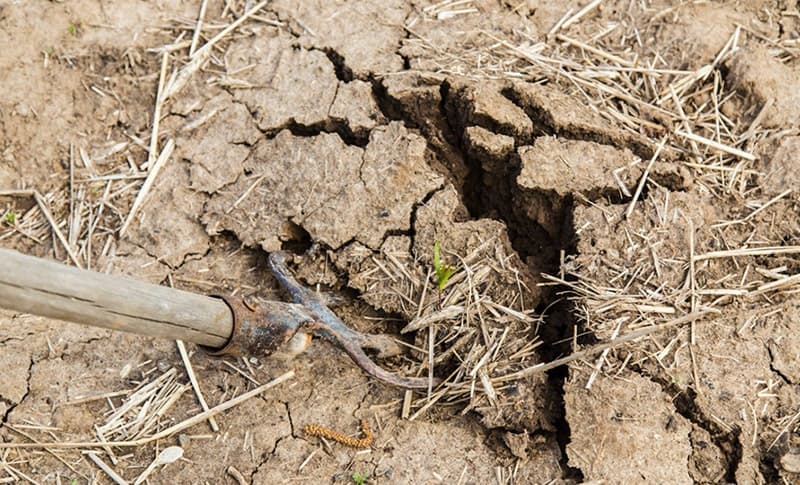
After drought, salinity or saltwater intrusion
After periods of drought and salinity, salt usually accumulates in the soil and nutrients become imbalanced. Applying bio-organic fertilizer at the start of the season improves soil structure, increases nutrient retention and helps plants adapt better to adverse conditions.
Conclusion
As land comes under increasing pressure from acid sulfate, salinity and intensive cultivation, using bio-organic fertilizer is a necessary solution to restore the soil naturally and sustainably. Besides improving humus, reducing acid sulfate toxicity and limiting the harm of salinity, bio-organic fertilizer also improves fertilizer use efficiency and stabilizes yields season after season.