ACCOUNTING WITH FURTHER FARMERS
How Important is Soil pH for Plant Nutrient Absorption?
Soil pH plays a crucial role in determining crop growth and yield. It’s a vital factor directly affecting the plant’s ability to absorb nutrients from the soil, thereby impacting its overall health and development. When soil pH is within the ideal range, plants can access and absorb the necessary nutrients optimally.
However, if the pH deviates from this range, many important nutrients can become trapped in the soil, reducing absorption efficiency and causing serious nutrient deficiencies.
1. What is soil pH?
Soil pH, also known as soil reaction, is an index with a scale from 1 to 14. It is assessed by the concentration of H+ and OH- ions in the soil. The pH index is an indicator of the acidity or alkalinity of a soil.
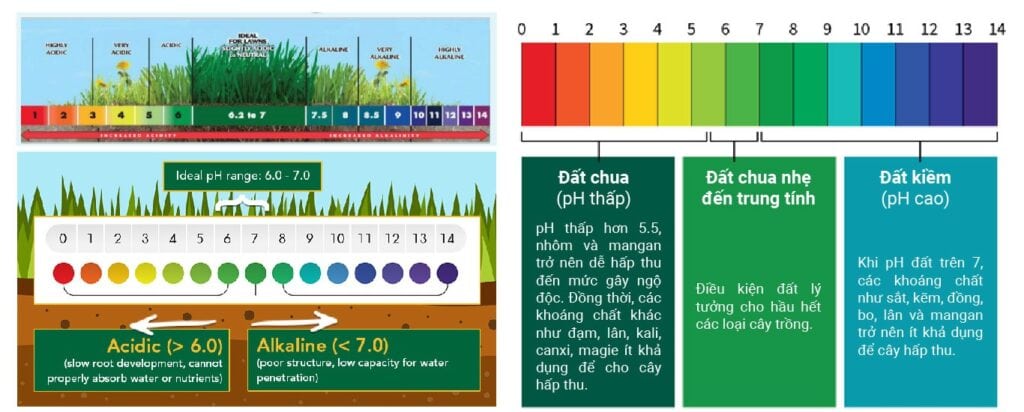
Soil pH levels are divided into the following three groups:
– pH = 7: Neutral soil, neither alkaline nor acidic, suitable for many types of plants.
– pH> 7: Alkaline soil, needs improvement by applying acidifying agents such as sulfur, iron sulfate, etc.
– pH < 7: Acidic soil; the main method of improvement is applying lime to regulate the pH.
2. The appropriate pH range for all types of plants.
Plants thrive in conditions with an appropriate pH level. If your soil pH is not within the optimal range for your crops, you need to treat the soil to achieve the appropriate pH.
The following is a table summarizing the types of plants and their suitable pH levels:
| Plants | Suitable pH | Plants | Suitable pH |
| Corn | 5.7 – 7.5 | Tea | 5.0 – 6.0 |
| Gourd | 5.5 – 6.8 | Pepper plants | 5.5 – 7.0 |
| Broccoli | 6.0 – 6.5 | Tobacco | 5.5 – 6.5 |
| Tomatoes | 6.0 – 7.0 | Dragon fruit | 4.0 – 6.0 |
| Coffee | 6.0 – 6.5 | Cauliflower | 5.5 – 7.0 |
| Carrots | 5.5 – 7.0 | Peppers | 6.0 – 7.5 |
| Eggplant | 6.0 – 7.0 | Grapes | 6.0 – 7.5 |
| Cabbage | 6.5 – 7.0 | Sugarcane | 5.0 – 8.0 |
| Radishes | 5.8 – 6.8 | Yellow apricot blossoms | 6.5 – 7.0 |
| Chinese cabbage | 6.5 – 7.0 | Rice | 5.5 – 6.5 |
| Citrus fruits | 5.5 – 6.0 | Lily | 6.0 – 8.0 |
| Rubber | 5.0 – 6.8 | Potatoes | 5.0 – 6.0 |
| Lucky Bamboo | 5.5 – 7.5 | Sweet Potato | 5.5 – 6.8 |
| Carnations | 6.0 – 6.8 | Orchids | 6.5 – 7.0 |
| Hydrangeas | 4.5 – 8.0 | Roses | 5.9 – 7.0 |
| Beans | 6.0 – 7.0 | Chrysanthemums | 6.0 – 8.0 |
| Peanuts | 5.3 – 6.6 | Onions and garlic | 6.0 – 7.0 |
| Strawberries | 5.5 – 6.8 | Ginger | 6.0 – 6.5 |
| Soybeans | 5.5 – 7.0 | Cucumbers | 6.0 – 7.0 |
| Coins | 6.5 – 7.0 | Herbs and spices | 5.5 – 7.0 |
| Watermelon | 5.5 – 6.5 | Cassava | 6.0 – 7.0 |
| Lettuce | 6.0 – 7.0 | Avocado tree | 5.0 – 6.0 |
| Cotton | 5.0 – 7.0 | Cucumber | 6.5 – 7.0 |
| Tea plant | 4.5 – 5.5 | Banana | 6.0 – 6.5 |
| Onions | 6.4 – 7.9 | Tomatoes | 6.3 – 6.7 |
3. How does soil pH affect plants?
Soil pH affects the process of nutrient absorption by plants.
Most plants will absorb nutrients well in neutral soil. The lower the pH, the worse the soil becomes.
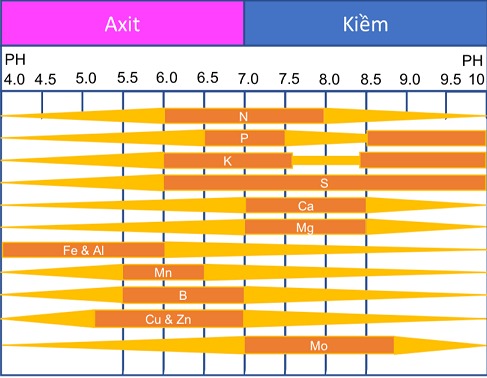
Some of the nutrients that plants absorb best within the following pH range can be summarized as follows:
| Nutrients | pH |
| Sodium, Potassium, Sulfur | 6.0 – 8.0 |
| Phosphate | 6.0 – 7.0 |
| Calcium, Magnesium | 7 – 8.5 |
| Boron, Copper, Zinc | 5.0 – 7.0 |
| Iron, Manganese | 4.5 – 6.0 |
Nếu độ pH quá cao hoặc quá thấp, một số chất dinh dưỡng, chẳng hạn như nitơ, phốt pho và kali, có thể không sử dụng được cho cây trồng. Điều này có thể dẫn đến tăng trưởng còi cọc và thiếu hụt chất dinh dưỡng.
To ensure that plants can easily absorb all the nutrients when fertilized, we need to maintain the soil pH between 5.5 and 7.5 by regularly checking the pH and taking appropriate measures to improve it.
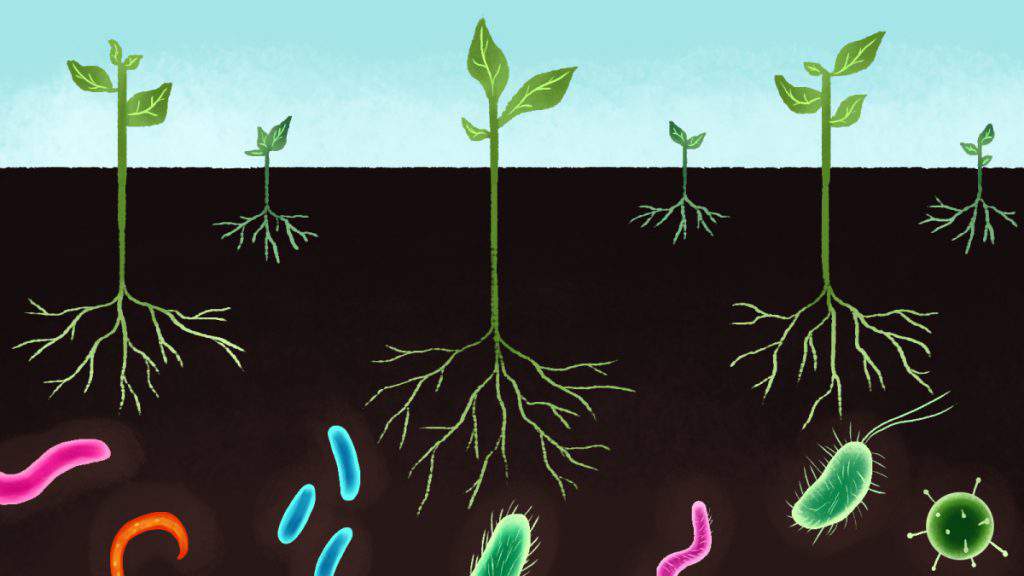
Soil pH affects the soil microbial ecosystem.
Low soil pH affects the habitat of soil organisms, inhibiting the survival of beneficial microorganisms. Beneficial fungi and bacteria grow slowly and reproduce less. Organic-decomposing microorganisms are less active, disrupting the nutrient cycle and the rate of decomposition of organic matter.
Soil pH affects soil structure.
When soil is too acidic (soil pH below 5.5), clay mineral degradation occurs. Continuous acidic soil conditions lead to severe soil degradation, loss of water and nutrient retention capacity.
4. How to adjust the pH level appropriately for plants.
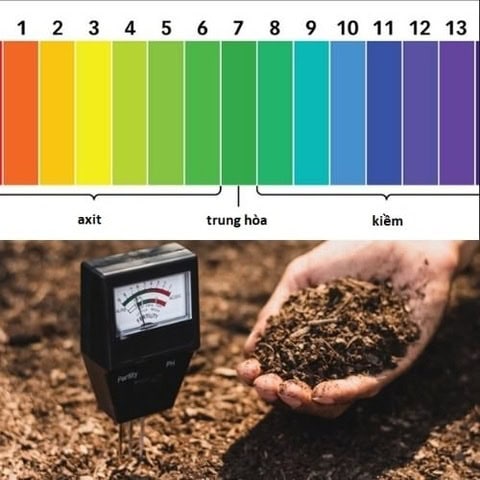
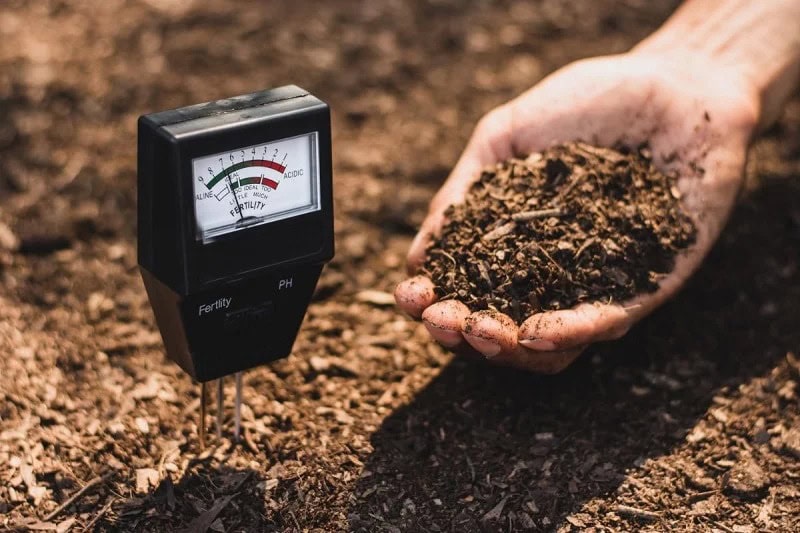
Regular soil pH testing is an important task in crop care in particular and agricultural production in general.
Accurately determining soil pH before planting is crucial for selecting crop groups that are suitable for the soil’s pH level. Furthermore, pH testing allows for timely adjustments to the soil’s condition to ensure it has a pH level appropriate for the current crop.
Soil pH ranges from 5.0 to 6.5
Soil with a pH of 5.0 – 6.5 is acidic. Acidic soil directly affects the growth and development of plants. Furthermore, beneficial microorganisms in the soil struggle to thrive. We should improve the soil using the following methods:
– Applying phosphorus fertilizer helps provide nutrients to plants and neutralize acidity in the soil.
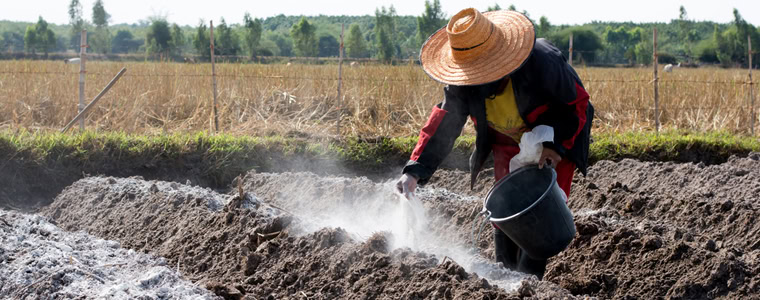
– Applying lime is important and necessary because it helps improve soil acidity, raising the soil pH to a level suitable for plants.
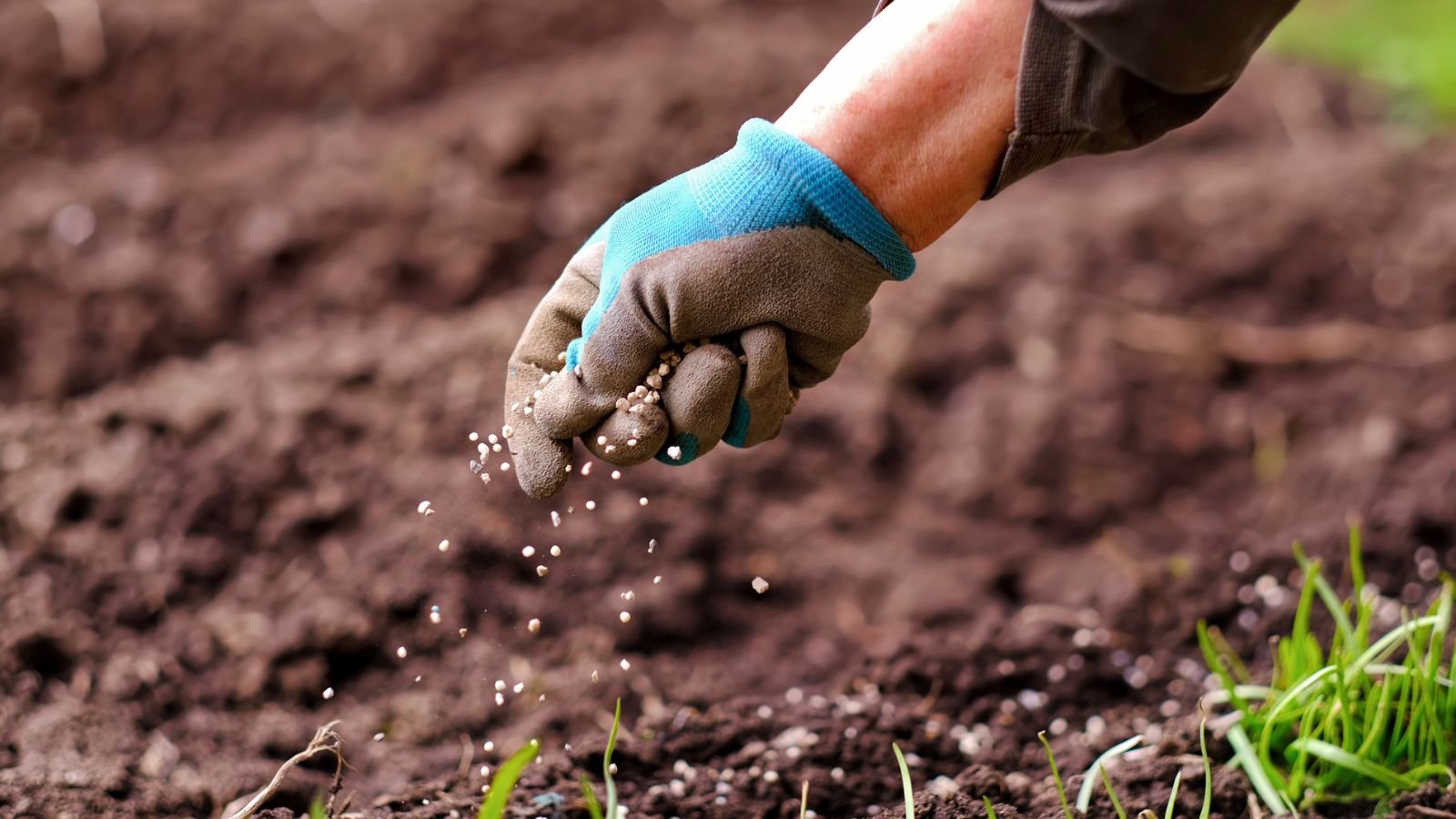
– Applying organic fertilizers improves soil aeration and structure, allowing plants to absorb nutrients more easily.
Viet Nga Fertilizer offers a wide range of high-quality organic fertilizers that effectively reduce soil acidity. With carefully researched and developed compositions, Viet Nga’s organic fertilizers not only provide essential nutrients for plants but also improve soil pH, helping to reduce soil acidity, enhance soil health, and promote sustainable plant growth.

VNG Organic Rich fertilizer is produced from organic raw materials, providing essential nutrients for healthy plant growth and development. It also improves soil quality and enhances agricultural product quality.

VNG Organic Green 666 is a high-quality organic fertilizer product, manufactured from natural raw materials to provide complete and balanced nutrition for stable plant growth.

Goneco 06 organic fertilizer helps improve soil fertility and looseness, promotes the growth of beneficial microorganisms in the soil, resulting in stronger plants, thicker leaves, stronger root growth, and better sprouting and branching. Additionally, it increases disease resistance and reduces the need for NPK fertilizers, thus saving costs.
Please see more organic fertilizer products from Viet Nga Fertilizer here.
Soil pH range: 6.6 – 7.5
Soil with a pH of 6.6 – 7.5, classified as neutral soil, is suitable for most plants and ideal for agricultural cultivation. Essentially, this type of soil requires minimal intervention; the key is to balance inorganic and organic fertilizers to maintain optimal soil conditions.
Soil with a pH greater than 7.5
Soil pH > 7.5 Alkaline soil, suitable for some legumes. To reduce alkalinity in this soil type, it is necessary to add acidifying elements such as iron sulfate and sulfur… This helps lower the pH level in the soil, creating favorable conditions for plant growth and development.
Conclusion
Soil pH is one of the important indicators for assessing soil quality. It is a crucial factor determining crop yield and quality. Therefore, farmers need to regularly check soil pH and take measures to improve and maintain it so that crops can grow optimally.
Viet Nga Fertilizer wishes you success!
Related news
The Role of Base Fertilization in Soil Improvement and Enhancing Agricultural Fertility
Measures to Improve and Treat Saline Soil

Winter-Spring rice blast warning – Don’t let leaf and flower burns rob you of your golden crop

Rice Sowing Techniques for the Early Winter–Spring Crop
What Is Slow-Release Fertilizer? Learn How to Use It Effectively