ACCOUNTING WITH FURTHER FARMERS
What are organic fertilizers? How to distinguish between organic and inorganic fertilizers?
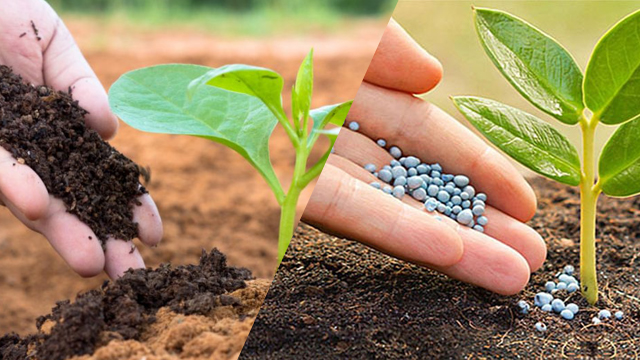
Organic fertilizers are one of the key factors in sustainably improving soil fertility and enhancing crop quality. Besides providing natural nutrients, organic fertilizers also help protect the environment and increase soil fertility over time. So how do you distinguish between organic and inorganic fertilizers? Let’s explore this in detail in the following article from Viet Nga Fertilizer.
What is organic fertilizer?
Organic fertilizers are fertilizers made from natural organic matter such as animal manure, plant residues, peat, and waste products from daily life or agricultural production. Thanks to their rich content of macro, micro, and trace nutrients in the form of organic compounds, organic fertilizers improve soil fertility, increase porosity and water retention, thereby creating favorable conditions for healthy plant growth.
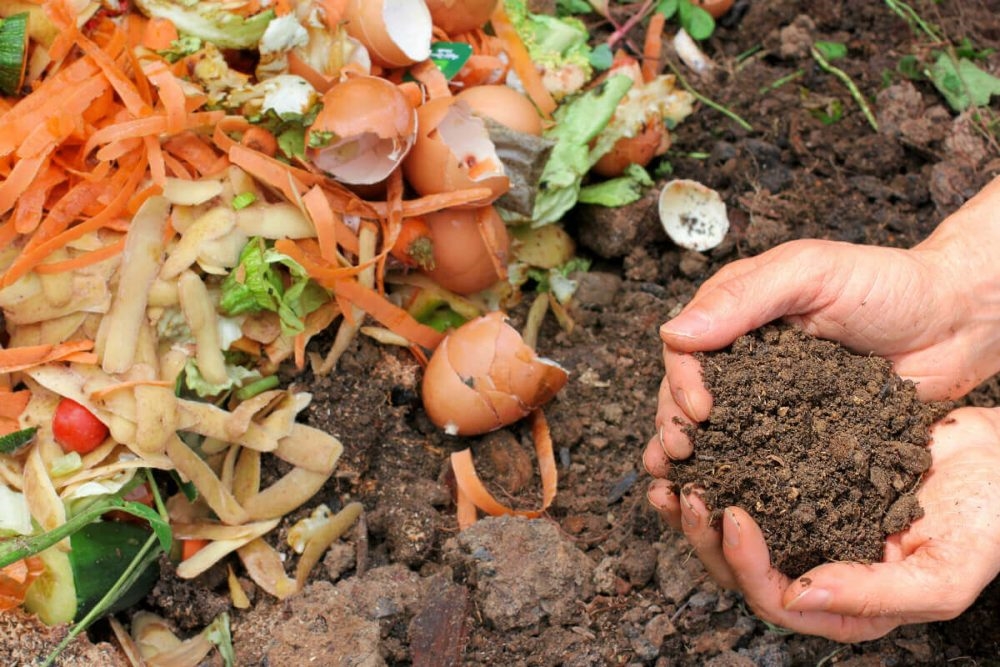
In addition to providing nutrients, organic fertilizers also contribute to environmental protection, reducing pollution and minimizing the risk of disease spread caused by the improper use of chemical fertilizers. Furthermore, the decomposition process of organic fertilizers stimulates the activity of microorganisms in the soil, creating a balanced ecosystem that helps plants absorb nutrients more effectively.
Distinguishing between organic and inorganic fertilizers
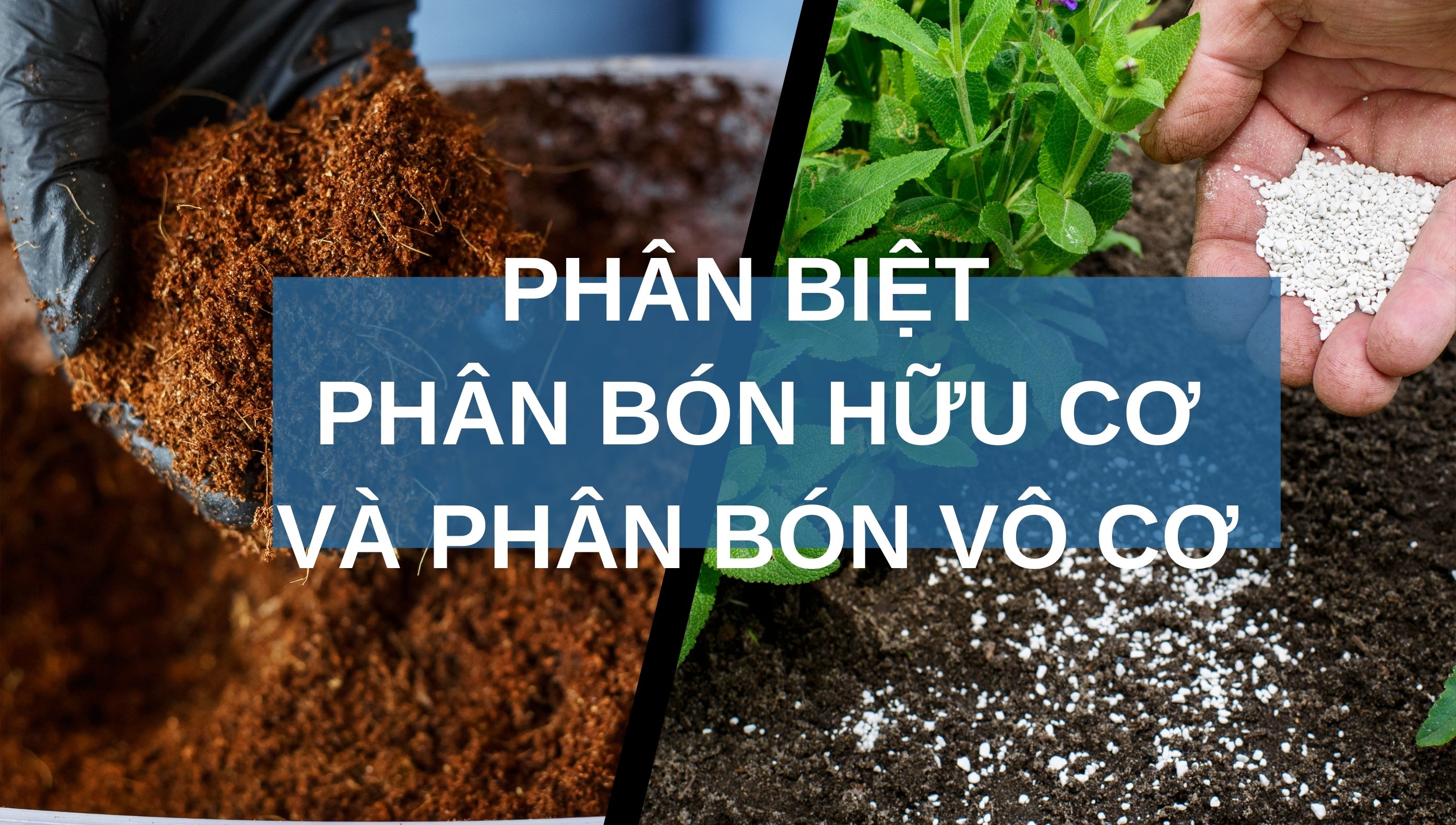
Fertilizers are currently divided into two main types: organic fertilizers and inorganic fertilizers. Each type has its own advantages and disadvantages, and farmers can choose the appropriate product depending on their needs. Below is a comparison table to help farmers easily identify the differences between these two types of fertilizers:
| Comparison factors: | Inorganic fertilizers | Organic fertilizers |
| Nutrient Content | High and stable nutrient ratios, but containing more nutrients; however, overuse can lead to soil degradation, depletion, and pollution. | Overall nutrient content is lower than inorganic fertilizers, but helps improve soil and increase long-term fertility. |
| Production methods: | Industrial production | Natural production, with the application of microbial technology |
| Fertilization method | Top dressing provides quick results | Usually applied as a base fertilizer before planting |
| Solubility | Easily soluble, plants absorb quickly and have an immediate effect | Requires time to decompose, slower but more lasting effect |
| Impact on soil | Long-term use can acidify the soil, requiring soil improvement | Soil improvement helps to loosen and enrich the soil. |
| Disease resistance | Can induce mutations, leading to the emergence of new pests and diseases | Increases the plant’s resistance to pests and diseases |
| Protecting the environment | Causing environmental pollution, affecting ecosystems | Contributing to environmental protection and biodiversity |
| Agricultural Product Quality | Agricultural products have attractive colors but easily lose their flavor over time if not used in appropriate quantities. | Ensuring quality and preserving flavor for longer. |
| Health | Rational use is necessary to ensure food safety | Organic agricultural products are safe for consumers’ health |
Similarities between organic and inorganic fertilizers:
- They both provide essential nutrients that help plants grow healthily.
- Both have the potential to increase productivity and harvest yields.
- It can be applied using various methods, such as base fertilization, top dressing, or direct foliar spraying.
- If used excessively, both types of fertilizers can have negative impacts on the environment and crops.
Although inorganic fertilizers provide quick results and allow plants to absorb nutrients rapidly, long-term use can negatively impact soil quality and the environment. Therefore, a safer and more effective option is to use organic microbial fertilizers such as chicken manure, bat guano, fish fertilizer, or earthworm castings, which have undergone thorough screening and processing. These fertilizers not only provide sufficient nutrients but also help improve soil structure, control pests and diseases, and enhance the quality of agricultural products.
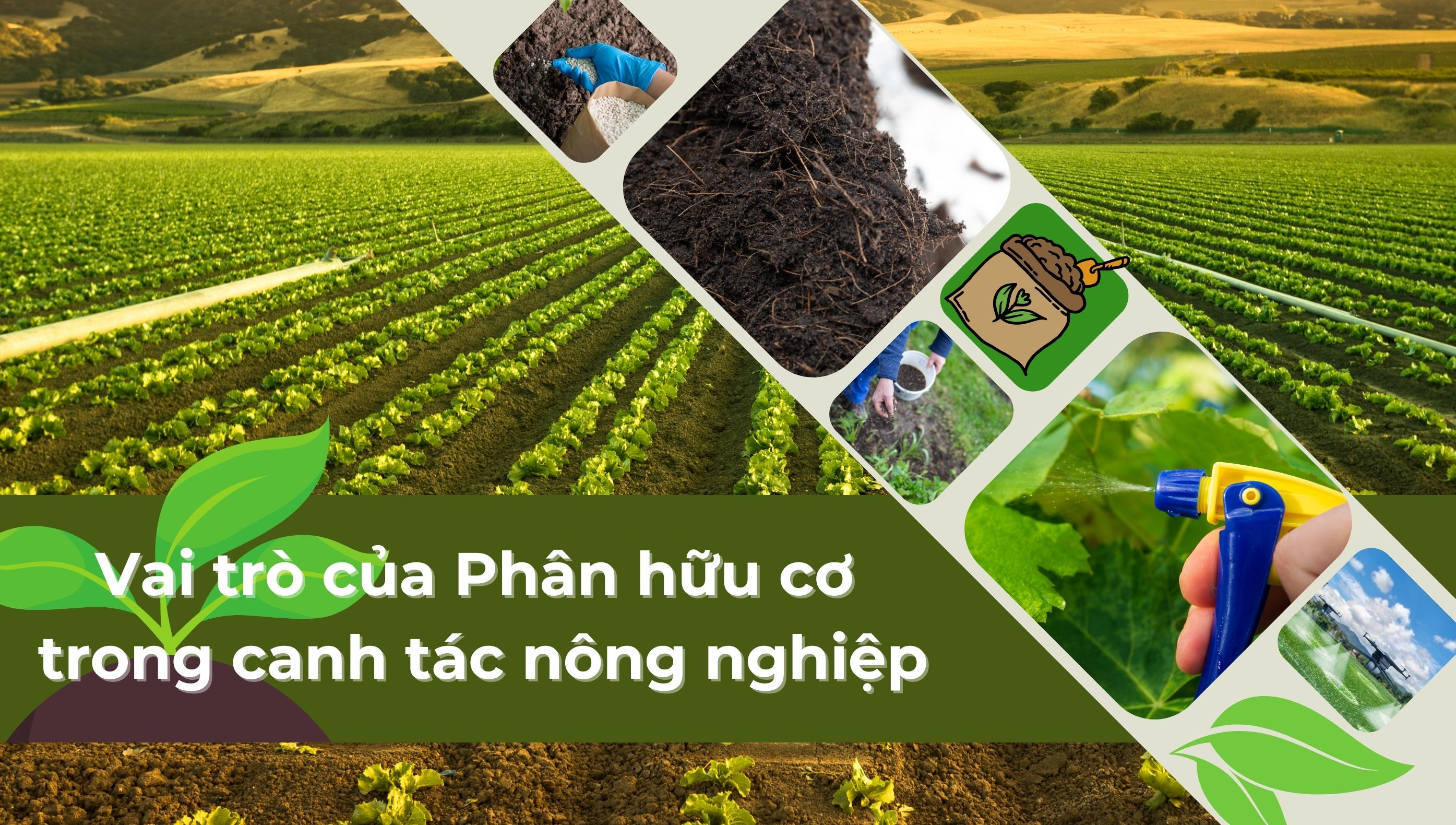
The role of organic fertilizers
- Providing adequate and long-lasting nutrition: Organic fertilizers contain a full range of macro, micro, and trace elements in easily absorbable forms, helping plants grow healthily. In particular, the nutrients in organic fertilizers are released slowly, providing a stable source of nutrition throughout the plant’s growth process.
- Improve soil, increase fertility: When organic fertilizers are applied, the soil becomes more porous, richer in humus, and retains water better. At the same time, organic fertilizers nourish beneficial microorganisms in the soil, helping to balance the ecosystem and maintain long-term fertility. Furthermore, this type of fertilizer can regulate pH levels, helping plants absorb nutrients more effectively.
- Save costs, increase economic efficiency: Organic fertilizers can be produced from natural sources such as agricultural by-products, animal manure, and organic waste, helping to reduce the cost of purchasing chemical fertilizers. In addition, using organic fertilizers helps plants grow healthier, with fewer pests and diseases, thereby reducing pesticide costs and increasing productivity.
Environmentally friendly: Unlike some chemical fertilizers that can pollute soil and water sources, organic fertilizers do not contain toxic substances, heavy metals, or synthetic chemicals. Therefore, using organic fertilizers helps protect the environment, maintain soil ecosystems, and ensure safety for both plants and humans.
Types of organic biological fertilizers
Currently, there are two main groups of bio-organic fertilizers: industrial organic fertilizers and traditional organic fertilizers.. Each type has its own characteristics, suitable for different farming conditions and usage needs:
1. Industrial organic fertilizers
Industrial organic fertilizers are produced using modern technology, which improves nutrient content compared to traditional organic fertilizers. Common types of fertilizers include:
- Microbial fertilizers: Contain beneficial microorganisms such as nitrogen-fixing bacteria, phosphorus-dissolving bacteria, cellulose-degrading microorganisms, etc., which help improve the soil environment, increase nutrient absorption efficiency, and control pathogens.
- Bio-organic fertilizer: Containing over 22% organic matter, this fertilizer is processed from organic materials combined with beneficial microorganisms. It provides balanced nutrition for plants, improves soil properties, and helps plants resist diseases better.
- Microbial organic fertilizer: Contains at least 15% organic matter and added beneficial microorganisms, which help increase nutrient absorption efficiency and optimize crop yield.
Thanks to industrial production processes, industrial organic fertilizers have the advantages of being easy to use, fast-acting, and suitable for many types of crops. To ensure effective cultivation, farmers should choose to buy industrial organic fertilizers from reputable companies with clear quality certifications. Viet Nga is one of the leading companies in the field of producing and supplying organic fertilizers, helping farmers improve crop yields sustainably. Some outstanding organic fertilizer products at Viet Nga include:
- VNG Organic Silver Fertilizer
- VNG Organic Rich organic fertilizer
- VNG Organic Green 666 organic fertilizer
- Goneco 06 Organic Fertilizer
- Gronn Organic Fertilizer (original label name: Nor Reindeer Green)
- Gronn Organic Fertilizer

2. Traditional organic fertilizers
- Animal Manure: Derived from the manure and urine of livestock and poultry, it is usually composted before application to increase effectiveness and reduce pathogens. Animal manure helps improve soil fertility and increase soil aeration.
- Green manure: Made from fresh plants or leaves that are either buried directly in the soil or composted before use, green manure provides organic nitrogen, which helps protect the soil and reduce erosion.
- Compost: This is compost made from organic waste such as fruit peels, eggshells, plant matter, etc., which helps recycle organic matter into nutrients for plants while minimizing environmental pollution.

Traditional organic fertilizers offer many long-term benefits. However, they often have a slow effect because they take a long time to decompose. If not properly handled, they can carry pathogens that harm plants.
Conclusion
In summary, both organic and inorganic fertilizers play important roles in crop care. Organic fertilizers help improve soil quality and protect the environment in the long term, while inorganic fertilizers provide quick results. Understanding the differences between them will help farmers choose the appropriate fertilization method to optimize crop yields. We wish you successful and sustainable farming through the right fertilizer choices!
Related news
The Role of Base Fertilization in Soil Improvement and Enhancing Agricultural Fertility
Measures to Improve and Treat Saline Soil

Winter-Spring rice blast warning – Don’t let leaf and flower burns rob you of your golden crop

Rice Sowing Techniques for the Early Winter–Spring Crop
What Is Slow-Release Fertilizer? Learn How to Use It Effectively