ACCOUNTING WITH FURTHER FARMERS
What Is Animal Manure? Characteristics and Roles of Animal Manure in Agriculture
Animal Manure has been a natural, familiar, and essential source of nutrients in Vietnam’s traditional agriculture.
When used properly, it not only helps improve soil structure and fertility but also enhances crop yield and quality.
In this article, Viet Nga Agri will explore the key characteristics, benefits, and proper use of animal manure in modern, sustainable farming. Viet Nga Agri will accompany farmers in exploring what animal manure is, its key characteristics, and its important role as an organic fertiliser in modern agricultural production.
What Is Animal Manure?
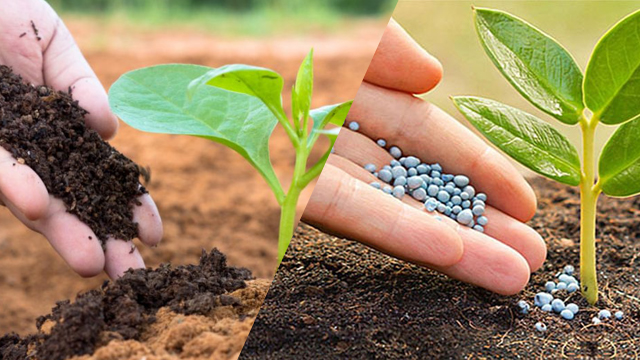
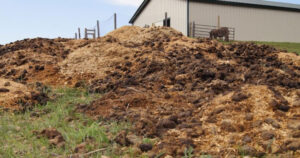
Animal manure is a type of organic fertiliser made from livestock and poultry waste (manure and urine) combined with agricultural by-products such as straw, decomposed grass, and leftover vegetables. Farmers can easily compost it at home using traditional methods or biological inoculants.
Rich in essential nutrients like nitrogen (N), phosphorus (P), potassium (K), and sulphur (S), animal manure helps enrich soil fertility, improve soil structure, and strengthen plant resistance. When combined with NPK fertilisers, it provides higher efficiency, promotes sustainable farming, and helps reduce costs while protecting long-term soil health and the environment.
What Are the Main Components of Animal Manure?
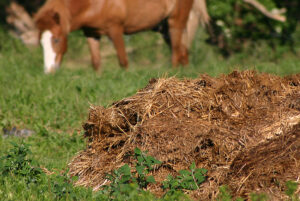
Animal manure is produced from livestock waste, and while the nutrient composition varies depending on the animal source, all types provide essential nutrients for plant growth such as nitrogen (N), phosphorus (P), potassium (K), and various micronutrients. Below are some common types of animal manure along with their main nutrient contents
summarised by Viet Nga Agri to help farmers better understand and apply them effectively.
| Type of Manure | Nitrogen (N) | Phosphorus (P) | Potassium (K) | Other Nutrients |
| Cow manure | 0,5 – 0,7% | 0,2 – 0,3% | 0,4 – 0,6% | Calcium, Magnesium, Zinc (10–20 ppm), Copper, Iron, Manganese |
| Pig manure | 0,6 – 0,8% | 0,4 – 0,6% | 0,5 – 0,7% | Calcium, Magnesium, Zinc (20–40 ppm), Copper, Iron, Manganese |
| Chicken manure | 1,5 – 2,0% | 1,0 – 1,5% | 0,8 – 1,2% | Calcium, Magnesium, Zinc (40–80 ppm), Copper, Iron, Manganese |
| Goat manure | 1,2 – 1,6% | 0,8 – 1,2% | 0,6 – 1,0% | Calcium, Magnesium, Zinc (30–60 ppm), Copper, Iron, Manganese |
| Duck/Goose manure | 1,2% | 1,8% | 0,5% | – |
| Earthworm castings (vermicompost) | 0,9% | 1,15% | 0,2% | Rich in beneficial microorganisms |
| Bat manure (guano) | 6% | 9% | 3% | Extremely nutrient-rich |
Role and Characteristics of Animal Manure for Crops
With its rich content of organic matter and essential nutrients, animal manure brings significant benefits to both soil and plants:
- Provides Sustainable Nutrition for Plants
Animal manure contains macronutrients such as nitrogen (N), phosphorus (P), and potassium (K), along with secondary nutrients (calcium, magnesium, sodium) and micronutrients (zinc, copper, iron, manganese…). These nutrients are slowly released, providing plants with a steady and continuous nutrient supply. This helps ensure stable growth and prevents issues like nutrient deficiency or fertiliser shock, which are common when using chemical fertilisers. - Stimulates Root Growth and Enhances Plant Resistance
Animal manure promotes strong root development, allowing roots to penetrate deeper into the soil. As a result, plants can absorb water and nutrients more efficiently, improving their resilience against pests, diseases, and harsh weather conditions such as drought or heavy rain.
This benefit is especially valuable for perennial and fruit trees, helping them stay strong and productive throughout their life cycle. - Improving and Protecting Soil
Animal manure adds a large amount of humus and organic matter, helping to make the soil looser, more aerated, and better at retaining moisture. It also improves the soil’s ability to hold nutrients and water for long-term plant use. Regular application increases soil fertility, reduces erosion, and helps rejuvenate degraded or compacted soils, restoring their productivity over time. - Creates a Habitat for Beneficial Microorganisms
Animal manure provides an ideal environment for beneficial soil organisms such as decomposer bacteria, beneficial fungi, and earthworms to thrive.
These organisms help balance the soil ecosystem, accelerate the breakdown of organic matter, and enhance the availability of nutrients, allowing plants to absorb them more efficiently. - Environmentally Friendly and Cost-Effective
As a natural fertiliser, animal manure is non-polluting and safe for soil, water, and air.
Moreover, by partially replacing chemical fertilisers, it helps farmers reduce input costs, protect the environment, and improve the quality and safety of their agricultural products.
Common Types of Animal Manure
Animal manure comes in many varieties, each with its own characteristics and suitability for different crops. Below are some of the most common types of manure used in agriculture today:
- Cow manure: Easy to find and rich in N–P–K nutrients. It can be used directly or after composting for better results.
- Chicken manure: Has a very high nutrient content but is considered “hot”, so it must be well-composted before use to avoid burning plants.
- Pig manure: Contains more nitrogen than cow manure but has a strong odour; therefore, it should be thoroughly decomposed before application.
- Goat manure: Has low odour and is safe for direct use. Suitable for many crop types due to its balanced nutrient composition.
- Sheep manure: Releases nutrients slowly, making it ideal for long-term crops and perennials.
- Horse manure: Rich in nitrogen but also “hot”, requiring careful composting to prevent root or leaf burn.
- Bat manure (guano): Extremely rich in phosphorus, making it excellent for flowering and fruiting plants.
- Earthworm castings (vermicompost): High in humus and beneficial microorganisms, helps improve soil structure, retain moisture, and is ideal for young plants and ornamentals.
Distinguishing Between Fresh and Decomposed (Composted) Animal Manure
Animal manure can be divided into two main types: fresh and decomposed (well-composted).
Each type has different characteristics and usage methods that farmers should understand carefully to avoid harming crops.
| Criteria | Fresh Manure | Decomposed (Composted) Manure |
| Condition | Newly excreted, still in its original form with organic matter not yet decomposed. | Has undergone composting; organic matter is partially or fully decomposed. |
| Odour | Strong, unpleasant smell. | Mild, earthy smell similar to natural soil. |
| Microorganisms | Contains many harmful bacteria, fungi, and pathogens. | Most pathogens have been destroyed or significantly reduced. |
| Impact on Crops | Can cause root burn, leaf scorch, and hinder plant growth. | Provides stable nutrients, improves soil, and promotes healthy plant development. |
| Usage | Should not be applied directly — must be thoroughly composted before use. | Safe for direct application, delivering effective and long-lasting benefits. |
Effective Methods for Composting Animal Manure
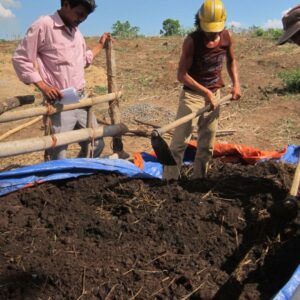
To make the most of the nutrients in animal manure while ensuring safety for crops, farmers should compost manure thoroughly before use. Here’s how to do it effectively:
1. Hot Composting Method (Aerobic Composting)
This is a fast composting method, commonly used when manure needs to be applied soon.
- Step 1: Prepare animal manure (cow, pig, chicken, goat, etc.) and pile it up to about 1.5 metres high, without compacting it tightly.
Step 2: Moisten the pile to about 60–70% humidity — when you squeeze it in your hand, it should feel damp but not drip. - Step 3: Mix in 1% lime powder to disinfect and 1–2% superphosphate to enrich nutrients and balance soil pH.
- Step 4: Cover the pile with a thin layer of mud or soil, and water it lightly every day to maintain even moisture.
- Composting time: After about 30–40 days, the manure will be ready for use.
2. Cold Composting Method (Anaerobic Composting)
This method takes longer but is simpler and ideal when the manure is not needed immediately.
- Step 1: Stack fresh manure in layers, sprinkling 1–2% phosphate fertiliser (such as superphosphate) between each layer, then press the pile firmly to compact it.
- Step 2: Cover the pile completely with mud or soil to protect it from rain, and to retain heat and moisture inside.
- Step 3 (optional): Farmers can add microbial inoculants to shorten the composting time and enhance decomposition efficiency.
- Composting time: Typically 5–6 months before the manure is ready for safe use.
3. Combining with Fibrous Materials and Regular Turning
Whether using the hot or cold composting method, farmers should mix manure with fibrous materials such as straw, dry leaves, decomposed grass, or sugarcane residue to improve aeration and compost quality.
Additionally, turning the compost pile regularly (about once a week) helps distribute heat and moisture evenly, allowing the manure to decompose faster and more uniformly — especially in warm and humid climates.
Proper Techniques for Using Animal Manure
Application Method – Timing – Dosage
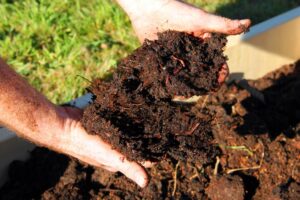
- Compost Before Use: This is the most important principle when using animal manure.
Composting allows the manure to fully decompose, eliminate harmful pathogens, reduce odour, and enhance nutrient availability for plants. - Basal Application (Before Planting): Animal manure should primarily be used as a basal fertiliser before sowing or transplanting.
How to apply: Evenly spread the manure along planting rows or around planting holes, then plough or lightly mix it into the soil.
This helps improve soil structure, increase porosity, and boost long-term soil fertility. - Top-Dressing (During Active Growth): Apply during the plant’s vigorous growth stage to provide additional nutrients.
How to apply: Spread manure evenly around the plant base, keeping it away from the stem to avoid burning.
Combining animal manure with inorganic fertilisers, foliar feeds, or biological products can further enhance nutrient absorption and crop performance.
Adjusting Application Rates Based on Crop Type. Farmers should adjust the amount of manure applied according to the crop type and manure quality. For example:
- Fruit trees: 10–30 kg per tree per application.
- Food crops and vegetables: 5–15 tons per hectare per application.
- Ornamental plants and flowers: 1–2 kg per m² or 5–10 kg per plant.
Precautions When Applying Animal Manure
- Do not use fresh manure, as it may cause root toxicity or burns.
- Avoid applying directly onto leaves or young stems, which are sensitive to organic acids.
- Do not apply when the soil is too wet or during heavy rain, to prevent nutrient loss and water contamination.
Notes and Limitations When Using Animal Manure
Although animal manure is an excellent source of organic nutrients for crops, farmers should still use it carefully to ensure effectiveness and avoid potential risks.
Below are some limitations and important points to keep in mind:
Limitations of Animal Manure
- May contain harmful pathogens: Fresh manure can carry bacteria, fungi, and parasites that may harm plants or even pose risks to human health if not properly treated before use.
Cannot be used immediately:Animal manure must be thoroughly composted for a certain period to allow microorganisms to break down organic matter into plant-available nutrients.
Therefore, it is not suitable for crops requiring quick fertilisation. - Nutrient content is inconsistent:The nutrient composition of manure varies by animal type, diet, and processing method. Farmers should not expect the same level of efficiency as inorganic fertilisers.
- Labour- and cost-intensive: The processes of composting, transporting, and applying manure require large volumes and considerable labour and cost, especially when used over large cultivation areas.
- Odour and environmental pollution: Fresh manure often has a strong, unpleasant smell, and if not properly treated, it can affect air quality, nearby water sources, and living conditions.
- Risk of soil acidification:During fermentation, manure can produce organic acids that lower soil pH, leading to soil acidification over time.
Usage Notes for Safe and Effective Application
- Do not apply fresh manure directly to plants or soil.
- Compost manure properly — not too long (to avoid nitrogen loss) and not too short (to ensure complete decomposition).
- Apply at the right time, with the right type and dosage, depending on crop needs and soil conditions.
- Choose a proper composting site: Keep the pile in a dry, elevated, and covered area, away from rainfall and runoff.
Avoid placing compost near ponds, lakes, or irrigation canals to prevent water contamination.
Comparison: Animal Manure vs. Other Organic and Inorganic Fertilisers
| Criteria | Animal Manure | Organic Fertiliser | Inorganic (Chemical) Fertiliser |
| Origin | Derived from animal manure and urine, mixed with bedding materials such as straw and husks. | Made from various organic wastes such as animal manure, peat, and biodegradable residues. | Industrial synthesis from natural minerals or chemical compounds. |
| Composition | Contains organic matter, macro-, secondary-, and micronutrients, and beneficial microorganisms. | Rich in organic matter, macro-, secondary-, and micronutrients, plus beneficial microbes. | Primarily N, P, K and other mineral elements. |
| Nutrient Release Speed | Slow and steady, provides long-term nutrition. | Slow and steady, ensuring gradual nutrient availability. | Fast-acting, nutrients are immediately available after application. |
| Effect on Soil | Improves soil structure, increases humus, and enhances water retention. | Improves soil texture and reduces erosion. | Does not improve soil; overuse can cause compaction and degradation. |
| Advantages | Enhances soil fertility, increases humus, and reduces costs for farmers. | High organic content, eco-friendly, and low pollution risk. | Easy to apply, fast results, and precise dosage control. |
| Disadvantages | Must be well-composted; if not, can spread diseases; lower nutrient content. | Requires time to decompose; slower effect than chemical fertilisers. | Overuse can pollute the environment, cause soil depletion, and nutrient imbalance. |
Should Animal Manure Be Used in Modern Agriculture?
In modern agriculture, although chemical fertilisers are widely used to achieve rapid yield increases, well-composted animal manure remains one of the best choices for improving soil health, replenishing nutrients, and enhancing the quality of agricultural produce.
However, using fresh manure directly can lead to root rot, disease infection, and reduced productivity, while also posing a risk of spreading harmful pathogens that can contaminate the environment and affect human health. Therefore, Viet Nga Agri strongly recommends using properly composted (decomposed) animal manure to ensure safe and sustainable farming practices.
Conclusion
Through the information above, Viet Nga Agri hopes farmers now have a clearer understanding of animal manure, from its characteristics to its vital role in agricultural production.
Although it is a traditional method, when processed and applied correctly, animal manure can be an effective, economical, and environmentally friendly fertiliser that helps increase productivity, restore soil fertility, and promote a safe, sustainable agricultural future.
Related news
The Role of Base Fertilization in Soil Improvement and Enhancing Agricultural Fertility
Measures to Improve and Treat Saline Soil
Winter-Spring rice blast warning – Don’t let leaf and flower burns rob you of your golden crop

Rice Sowing Techniques for the Early Winter–Spring Crop
What Is Slow-Release Fertilizer? Learn How to Use It Effectively