
ACCOUNTING WITH FURTHER FARMERS
Why is fertilizing during the heading stage important?
For rice plants to grow well and achieve high yields, careful attention to plant care throughout all growth stages is necessary, with the panicle initiation stage being the most important. So, why is the panicle initiation stage so important? Let’s explore this together with Viet Nga Fertilizer!
1. What is the heading stage of rice?
The panicle initiation stage is one of the most important stages in the development of a rice plant. This is the time when the rice plant begins to form and develop its panicles, directly determining the yield and quality of the rice grains later on.
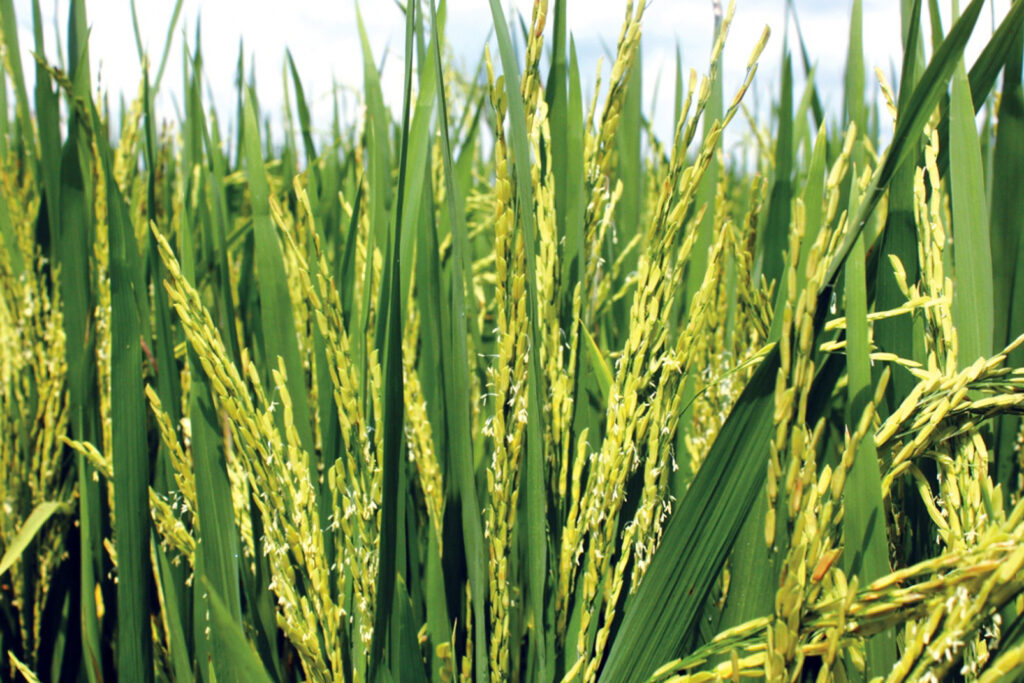
Today, with advancements in science, many new rice varieties have emerged, each with a different growth period and comprising short, medium, or long-duration lines.
How to determine the optimal time for panicle fertilization in rice.
– Based on the growth period of the variety and the number of days after sowing.
Although the growth and development time of rice plants varies depending on the variety, all rice varieties have two equivalent stages: the time from tillering to heading is about 25 days, and the time from heading to ripening also lasts 25-30 days (varieties with large panicles and large thousand-grain weight ripen more slowly). Therefore, the timing of fertilization is determined by subtracting 50-55 days from the rice plant’s growth time.

For example, in the cropping season, with short-day rice varieties that have a growth period of 95-100 days, the fertilization time would be 100 minus 50-55, which equals 40-45 days after sowing the seedlings.
However, basing fertilizer application on growth timing is only accurate in cases of favorable weather and consistent farming techniques. If the weather is unfavorable, such as prolonged rain at the beginning of the season, poor soil, or inadequate farming practices that hinder plant growth, then in addition to this, the following two factors must be considered to determine the correct timing for fertilization.
– Based on the morphology of the rice plant
Several characteristics can be observed (rice transitioning from vegetative to reproductive growth): The rice plant undergoes distinct changes such as becoming round and clump-like, with a stiff stem, upright leaves, compact leaf tips, equal leaf necks, a constriction near the leaf tip, and the rice field turning a lemon-yellow color.

To ensure the rice plants turn a lemon-yellow color at the time of panicle initiation fertilization, when they are 32-35 days old after sowing (for short-day rice varieties) or when the rice plants have an average of 7-8 tillers per clump, drain the water to limit ineffective tillering and help the rice plants enter a standing state for better photosynthesis and reduced pest and disease incidence.
– Based on the panicle state (check by peeling the panicle).
When you peel back the main tiller of the rice plant and see that it has 2.5 nodes and the panicle is 1-2mm long (like a cockroach’s droppings panicle), applying fertilizer at this stage is the most accurate.
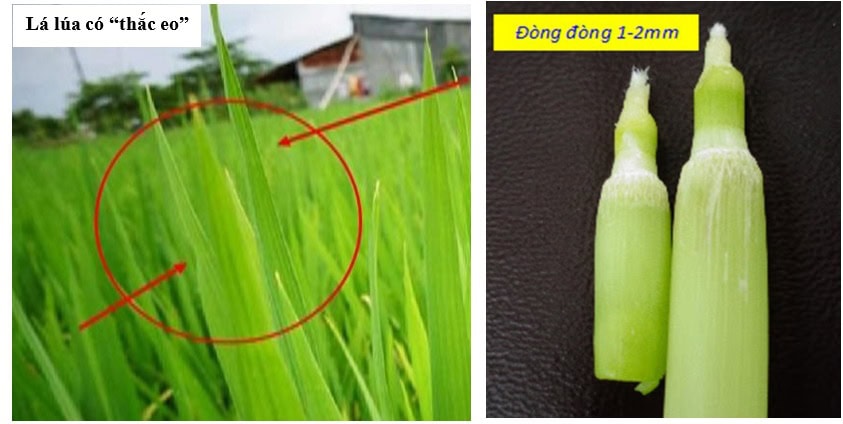
Applying fertilizer at the right time and in the right way during this stage plays a crucial role in helping rice plants grow vigorously and achieve high yields.
2. The importance of fertilizing during the heading stage.
Fertilizing during the panicle initiation stage is of great importance to the development and yield of rice plants. This is the stage when the rice plant prepares to transition from the vegetative growth stage to the reproductive growth stage, that is, from the stage of developing leaves, stems, and roots to the stage of forming panicles and grains.
2.1. Provides essential nutrients
During the panicle initiation stage, rice plants require a large amount of nutrients to develop important parts such as the rice grains. Elements such as nitrogen (N), phosphorus (P), and potassium (K) are crucial nutrients that help rice plants grow vigorously, improve grain quality, and enhance growth potential.
2.2. Promoting Rice Growth
Fertilizers provide essential nutrients such as nitrogen (N), phosphorus (P), and potassium (K) that promote rice plant development. Nitrogen helps rice plants grow vigorously, phosphorus promotes panicle and fruit formation, and potassium enhances the plant’s resistance to disease.

- Fertilizing during the panicle initiation stage is of great importance to the development and yield of rice plants.
2.3. Increase rice yield and grain quality.
Proper and timely fertilization during the heading stage helps increase rice yield and grain quality. The rice grains will be larger, firmer, and meet higher standards, thereby increasing economic value for farmers.
2.4. Increased resistance to harsh environmental conditions.
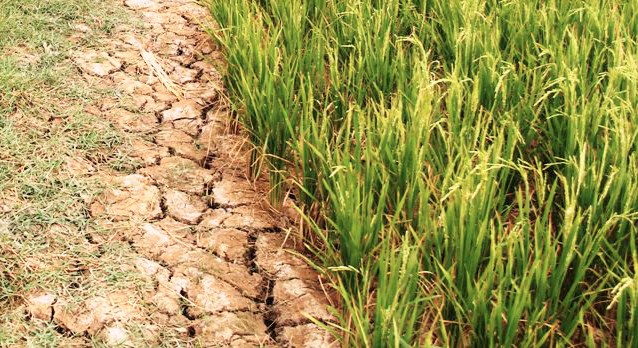
Fertilizers help rice plants enhance their resistance to adverse environmental conditions such as drought, flooding, and climate change. This ensures that rice plants can thrive even in unfavorable conditions, minimizing risks for farmers.
Fertilizing during the heading stage is one of the important farming techniques that helps improve rice yield and quality. Farmers need to pay attention to applying fertilizer at the right time, in the right amount, and with the right type to ensure the best development of the rice plants.
3. Instructions for fertilizing rice plants during the heading stage.
Depending on the growth stage of the rice plant and the specific type of field, the amount of fertilizer and the timing of application should be determined accordingly.
- When rice plants have already developed panicles and 90% of the panicles have formed in the field, farmers only then apply fertilizer. This prevents the panicles from absorbing nutrients quickly enough, resulting in small, short panicles and a high percentage of empty grains.
- Applying fertilizer too early to rice plants will prevent them from absorbing the nutrients, leading to waste and prolonging the plant’s growth period, making them more susceptible to pests and diseases.
Proper fertilization during this stage will help rice plants grow healthily, flower uniformly, and produce large, firm, and plump grains. To maximize the effectiveness of fertilization during the panicle initiation stage, when 50% of the rice crop has panicles 1-20mm long, farmers should supplement with NPK fertilizers that have a high potassium (K2O) content.
During this stage, the amount of potassium fertilizer applied to rice plants should account for 70%, while the amount of nitrogen fertilizer should only be 30%, according to the rice cultivation process. Viet Nga Fertilizer suggests a few suitable products for application during the heading stage for your reference!
Potassium is needed in high amounts during the panicle initiation stage because it helps rice plants enhance photosynthesis, synthesizing nutrients from the stem to nourish the panicles. Nitrogen, on the other hand, helps increase the number of flowers and panicles.
Farmers can refer to the rice fertilization process based on the formula of the specialized fertilizer solution set from Viet Nga, which is widely used by many farmers, as shown below.

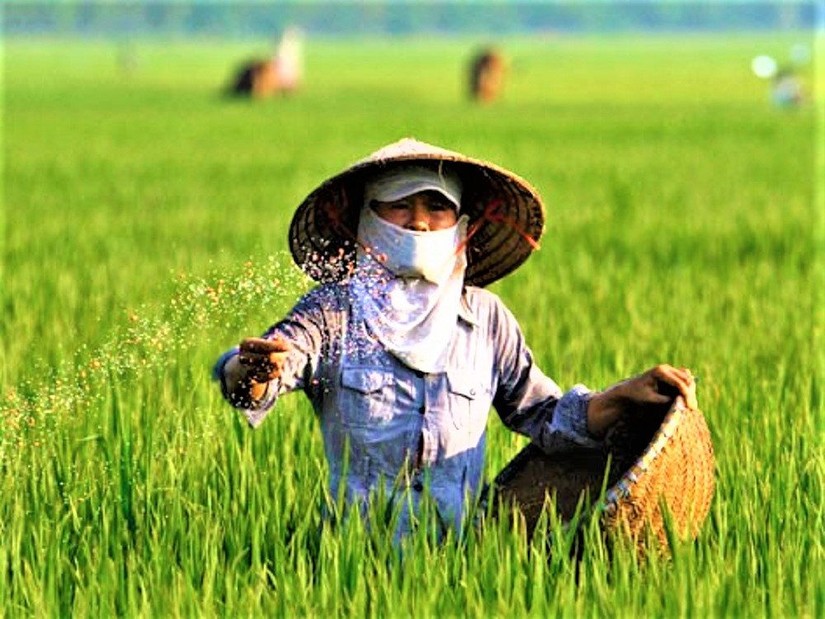
In addition, farmers should apply fertilizer when the weather is cool and shady, after rain or watering, so that the rice plants can easily absorb the nutrients.
4. Note
– Avoid applying too much or too little fertilizer. Instead, observe the leaves and growth of the rice plants in the field to determine the appropriate amount of fertilizer for each field.
– During the tillering stage, rice plants are very susceptible to pests and diseases. Farmers need to regularly inspect their fields, detect problems, and control them promptly.
– Ensure that the water level in the rice field is maintained at 3-5cm to facilitate the rice plant’s heading stage.
– It is recommended to combine nitrogen with potassium, as this stimulates the transport of nutrients to the grains, making them firmer and brighter, strengthening the plant and stem, increasing photosynthesis, and improving rice yield and quality.
– Avoid applying fertilizer during hot, sunny weather or when the rice plants are diseased.
– Pay attention to field hygiene: Keep the fields clean, remove weeds and plant debris to limit sources of disease for rice plants.
-
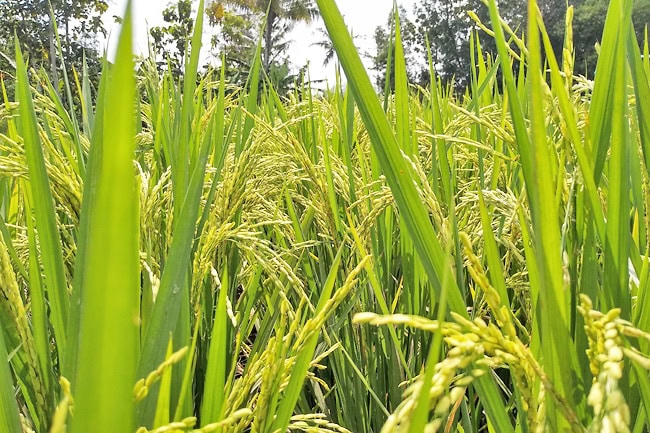
- Proper care of rice plants during the heading stage will help increase yield and quality.
Conclusion
Fertilizing during the heading stage is a crucial step in rice cultivation. Ensuring that rice plants receive adequate nutrition not only increases yield but also improves grain quality, bringing high economic efficiency to farmers.
Hopefully, this article has provided you with useful knowledge. Follow Viet Nga Fertilizer to stay updated on the latest information about rice cultivation techniques!
Wishing everyone a bountiful harvest!
Related news
Caring for the Winter-Spring Rice Crop to Ensure Large, Firm Grains

Secrets to Helping Rice Plants Stay Healthy Right From the Start of the Winter-Spring Crop Season
Proper Water Management for Winter-Spring Rice Crops

Tips for Effective Fertilization of the Winter-Spring Rice Crop

What kind of fertilizer should I use to make my banana tree flower and produce large fruits?