
ACCOUNTING WITH FURTHER FARMERS
Causes of Rice Lodging – Effective Solutions for Farmers
Lodging is a common issue in rice cultivation, significantly affecting both yield and grain quality. Understanding the causes and taking proactive preventive measures can help farmers minimize losses and increase economic efficiency on the same cultivated area. In this article, Viet Nga Agri shares with farmers the main causes of rice lodging along with practical and effective solutions that are easy to apply in real field conditions — helping ensure a successful and productive rice season.
What Is Rice Lodging?
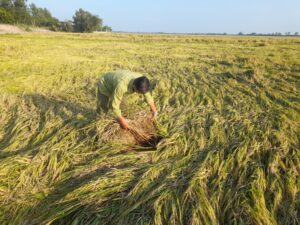
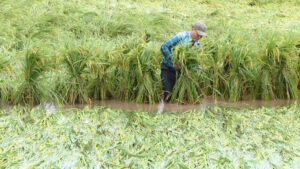
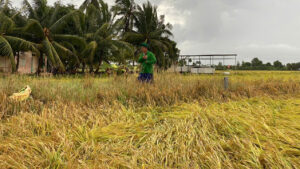
Rice lodging refers to the phenomenon where the rice plant’s stem bends, breaks, or collapses onto the ground — typically occurring during the heading or grain-filling stage. This situation not only makes harvesting difficult but also significantly reduces both yield and grain quality.
There are multiple causes behind lodging, including environmental conditions, improper fertilization, and unsuitable planting techniques. Understanding these factors helps farmers take timely preventive measures and apply appropriate care practices to minimize losses and improve overall productivity.
Common Causes of Rice Lodging
Adverse Weather and Climate Conditions
Unfavorable weather is one of the leading causes of rice lodging. During the Summer–Autumn or Autumn–Winter seasons, prolonged cloudy days, heavy rainfall, and lack of sunlight cause rice plants to grow tall and weak, with softer stems. When exposed to strong winds, heavy rains, or storms, especially during the flowering or milky grain stage, the plants often cannot withstand the weight of the panicles and easily bend or collapse.
In addition, low-lying or waterlogged fields make the roots weaker and less able to anchor the plant. Extended flooding also limits oxygen in the soil, reduces root development, and increases vulnerability to pests and diseases — all of which further raise the risk of lodging in rice crops.
Improper Seeding Density and Plant Spacing
Sowing rice too densely or planting seedlings too close together limits the plants’ growing space, forcing them to stretch upward in search of sunlight. This competition for light and nutrients causes thin, weak stems, which easily collapse under strong winds or heavy rains.
Dense planting also makes the field humid and poorly ventilated, creating favorable conditions for fungal diseases and pests to thrive. As a result, the plants’ resistance weakens, further increasing the risk of lodging.
Imbalanced Fertilization
Overusing nitrogen fertilizer (urea) while lacking essential nutrients like potassium (K), phosphorus (P), and calcium (Ca) causes rice plants to grow excessively tall with soft, weak stems. Nitrogen promotes cell elongation, but without supporting minerals that strengthen cell walls, plants become fragile and prone to breakage.
In addition, organic-rich or acidic soils often lead to nutrient imbalance, negatively affecting stem structure and the plant’s ability to resist lodging. Balanced fertilization is crucial to ensure sturdy stems, deep roots, and optimal resilience throughout the crop cycle.
Weak Rice Varieties with Poor Root Development
Certain rice varieties with tall stems, loose leaf sheaths, soft internodes, or shallow root systems are more prone to lodging than others — especially under intensive cultivation, excessive fertilizer use, or weak soil conditions. These varieties tend to have low nutrient tolerance, and without proper cultivation adjustments, the plants may grow imbalanced, easily uproot or bend when exposed to adverse weather or pest infestations.
The Impact of Lodging on Rice Production
Rice lodging causes significant economic and yield losses for farmers. Once lodged, the plants experience:
- Reduced Yield : When rice lodges, its photosynthesis capacity decreases, leading to poor grain filling. This results in empty or immature grains, significantly lowering overall yield.
- Lower Grain Quality : Lodged panicles lying close to the ground are easily infected by fungi, causing rotting or premature sprouting. This reduces the commercial and nutritional value of the rice.
- Difficult Harvesting : Lodged rice complicates mechanized harvesting, requiring more manual labor and time, which increases harvest costs and losses.
- Higher Pest and Disease Pressure : Fields with lodged rice are more prone to rice blast, leaf blight, and grain discoloration due to prolonged moisture and poor ventilation.
- Increased Production Costs : Farmers often face extra expenses for replanting, pest control, and labor, raising the total cost of production and reducing profit margins.
Measures to Prevent and Control Rice Lodging
Apply Balanced and Proper Fertilization
One of the main causes of lodging in rice is imbalanced fertilization, especially excessive nitrogen (urea) application.
. When nitrogen is supplied beyond the plant’s needs, rice grows too quickly in height — producing soft stems, shallow roots, and reduced resistance to wind and rain. To prevent this, farmers should strictly follow the 4R nutrient management principle: Right type – Right rate – Right time – Right method
- Reduce Nitrogen, Increase Potassium
During the tillering to panicle initiation stages, farmers should limit nitrogen (urea) application and increase potassium to strengthen stems, promote deeper root growth, and enhance tolerance to adverse weather. Potassium also plays a vital role in nutrient transport and disease resistance throughout the crop cycle. - Apply Phosphorus at the Right Time : Phosphorus should be applied as a base fertilizer (bón lót) to support strong root formation, ensuring firm anchorage and promoting flowering and grain formation later in the season.
- Prioritize High-Quality Compound Fertilizers : Viet Nga Agri specialized NPK formulations for rice are designed with optimal nutrient ratios, helping plants develop uniformly, maintain sturdy stems, and reduce excessive elongation that often leads to lodging.
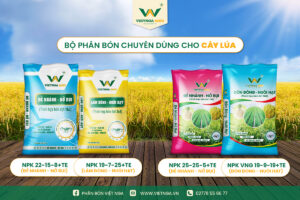
Viet Nga’s Specialized Rice Fertilizer Range is scientifically formulated to deliver balanced nutrition for each growth stage — ensuring stronger plants, higher yield, and greater crop stability. - Combine Organic Fertilizers for Better Soil Health : Supplementing with well-decomposed organic or bio-organic fertilizers helps improve soil structure, enhance moisture and nutrient retention, and strengthen root systems. Healthy roots anchor the plant more firmly, reducing the risk of lodging and improving overall field resilience.
Apply Proper Cultivation Techniques
Level and drain fields properly to prevent waterlogging and make irrigation and fertilizer application easier.
plow and sun-dry the soil to detoxify organic residues and create favorable conditions for root growth. During crop growth, drain water for about 7 days before panicle initiation to encourage deeper root growth and stronger stems. 7–10 days before harvest, drain the field completely to harden the base, making the crop easier to harvest and less prone to lodging.
Choose Rice Varieties with Strong Stems and High Lodging Resistance
Farmers should prioritize rice varieties with sturdy stems, good pest resistance, and strong lodging tolerance, such as: OM 18, OM 429, OM 8901, VNR20, VNR88, Kim Cương 111, Hương Châu 6, and HG12. In addition, maintaining a reasonable seeding density is essential for strong plant development:
Row seeding (mechanical or manual): 80–100 kg/ha; Broadcast seeding: 100–120 kg/ha Sowing at the right density helps the crop remain well-ventilated, encourages strong root and stem growth, reduces pest pressure, and makes mechanized harvesting easier and more efficient.
Biological and Mechanical Solutions to Prevent Lodging
Applying biological and mechanical measures not only strengthens rice growth but also plays a vital role in reducing lodging risks and improving production efficiency for farmers.
Biological Measures: Enhancing Rice’s Natural Resistance
- Supplement Silicon and Micronutrients via Foliar Spray: Spraying biological products containing silicon (Si) helps thicken cell walls, making rice stems stronger, more flexible, and resistant to strong winds and heavy rains.
- Use Bio-Organic Fertilizers and Microbial Solutions: Incorporating bio-organic or decomposed organic fertilizers improves soil structure, increases aeration, and enhances root anchorage. Healthy roots help stabilize the plant and reduce pest and disease pressure, thereby minimizing the risk of lodging.
- Enhance Beneficial Soil Microbes : Applying microbial products containing Trichoderma or Bacillus subtilis helps balance the soil ecosystem, stimulate strong root growth, and reduce pest and disease pressure that can weaken rice plants. A healthy soil environment also enhances nutrient absorption and overall plant resilience.
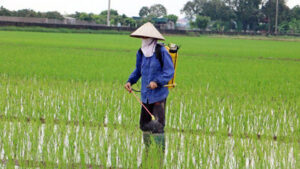
Mechanical Measures: Improve Precision and Crop Strength
- Use Row Seeders or Rice Transplanters:Avoid dense broadcasting, which causes weak, elongated stems and increases lodging risk. Mechanical row seeding ensures even spacing and proper density, allowing rice plants to absorb sunlight uniformly, grow balanced and sturdy, and reduce disease pressure.
- Adopt Modern Technology in Fertilization and Spraying: Utilizing drones and precision fertilizer spreaders ensures even distribution of fertilizers and pesticides, preventing over- or under-application that leads to uneven plant growth and weak stems.
- Manage Water Levels Appropriately by Growth Stage: During the tillering and panicle initiation stages, maintain moderate water depth to support steady growth.During the flowering and ripening stages, drain the field gradually to harden stems and strengthen plant anchorage, reducing lodging risk before harvest.
Key Notes to Prevent Rice Lodging Throughout the Crop Cycle
To effectively minimize lodging in rice cultivation, farmers should pay attention to the following key points during the entire growing process:
- Thorough Land Preparation, Proper Variety, and Optimal Seeding Density Fields should be well-leveled with gentle slopes to ensure good drainage and promote healthy root development, helping reduce waterlogging. Choose sturdy, lodging-resistant rice varieties suitable for local conditions. Avoid overly dense seeding — this allows plants enough space for growth, stronger stems, and better resistance to adverse weather.
- Balanced Fertilization — Avoid Excess Nitrogen
Overusing nitrogen, especially during the panicle initiation and flowering stages, causes tall, weak plants that easily lodge. Supplement potassium (K) and silicon (Si) to improve stem strength and rigidity. Use organic fertilizers and apply a balanced combination of macro-, meso-, and micronutrients for well-rounded growth and stronger resistance against environmental stress. - Proper Water Management
Maintain an appropriate water level in the field throughout the crop cycle and avoid prolonged flooding.
About 7–10 days before harvest, farmers should drain all remaining water so the soil surface dries out — this helps harden the stems, reduce lodging, and makes mechanical harvesting easier and more efficient. - Proper Pest and Disease Management
Regularly inspect the field to detect pests and diseases early, especially during the flowering stage.
Use plant protection products following the “4 Right” principle — right product, right dose, right time, right method — and properly dispose of pesticide containers according to environmental regulations.
Routine care practices such as weeding and irrigation are equally important to help rice plants stay healthy and resilient throughout the season. - Harvest at the Right Time
Harvest only when the crop is fully and evenly ripened. Leaving mature rice in the field for too long increases the risk of lodging or sprouting after heavy rain or strong winds, leading to reduced yield and grain quality. - Reuse Rice Straw After Harvest : Farmers can recycle rice straw as an organic resource by composting it into fertilizer or using it as mulch. This practice helps retain soil moisture, improve soil fertility, and prepare the field for the next cropping season, contributing to a more sustainable farming system.
Conclusion
Understanding the causes of rice lodging và áp dụng đúng biện pháp phòng tránh là chìa khóa giúp bà con nông dân bảo vệ năng suất lúa ổn định qua từng vụ mùa. Từ khâu chọn giống, làm đất, bón phân đến quản lý nước và thu hoạch, mỗi bước đều cần sự cẩn trọng và đúng kỹ thuật. Viet Nga Agri hopes this article provides farmers with practical insights and field experience to cultivate rice more effectively, minimize lodging, and enhance crop value.
Related news
The Role of Base Fertilization in Soil Improvement and Enhancing Agricultural Fertility
Measures to Improve and Treat Saline Soil
Winter-Spring rice blast warning – Don’t let leaf and flower burns rob you of your golden crop

Rice Sowing Techniques for the Early Winter–Spring Crop
What Is Slow-Release Fertilizer? Learn How to Use It Effectively