DAP vs NPK Fertilizer: What Is the Difference and When to Use Each
Date · By Viet Nga Fertilizer
Contents· 9 sectionsExpandCollapse
DAP and NPK are both familiar fertilizers, yet many farmers still wonder: should I apply DAP or NPK, how are they different, can they be applied together? The short answer: DAP has only nitrogen and phosphorus, while NPK has nitrogen, phosphorus and potassium. Each suits a different stage and a different need. This article compares the two and suggests when to use which.
What is DAP, what is NPK?
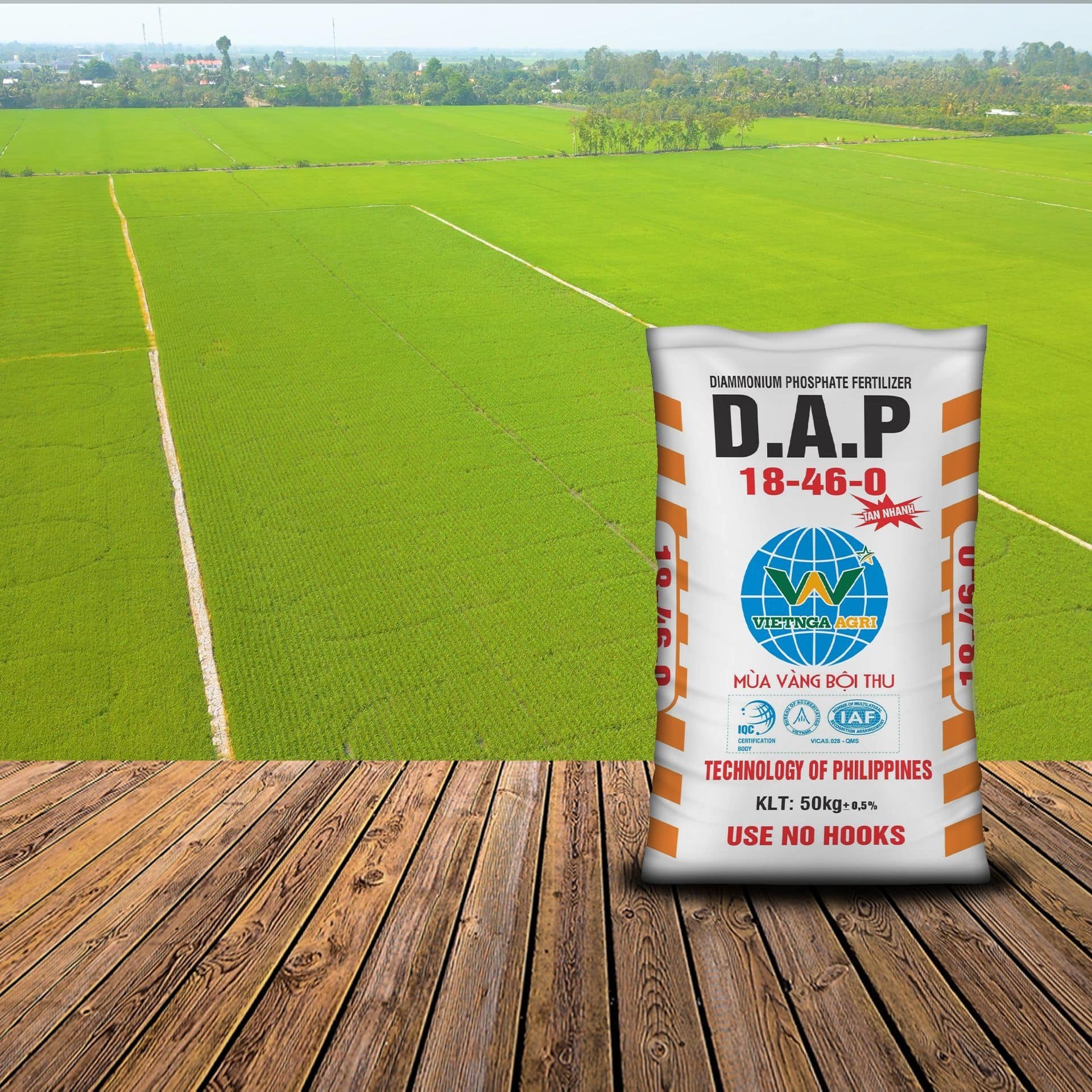
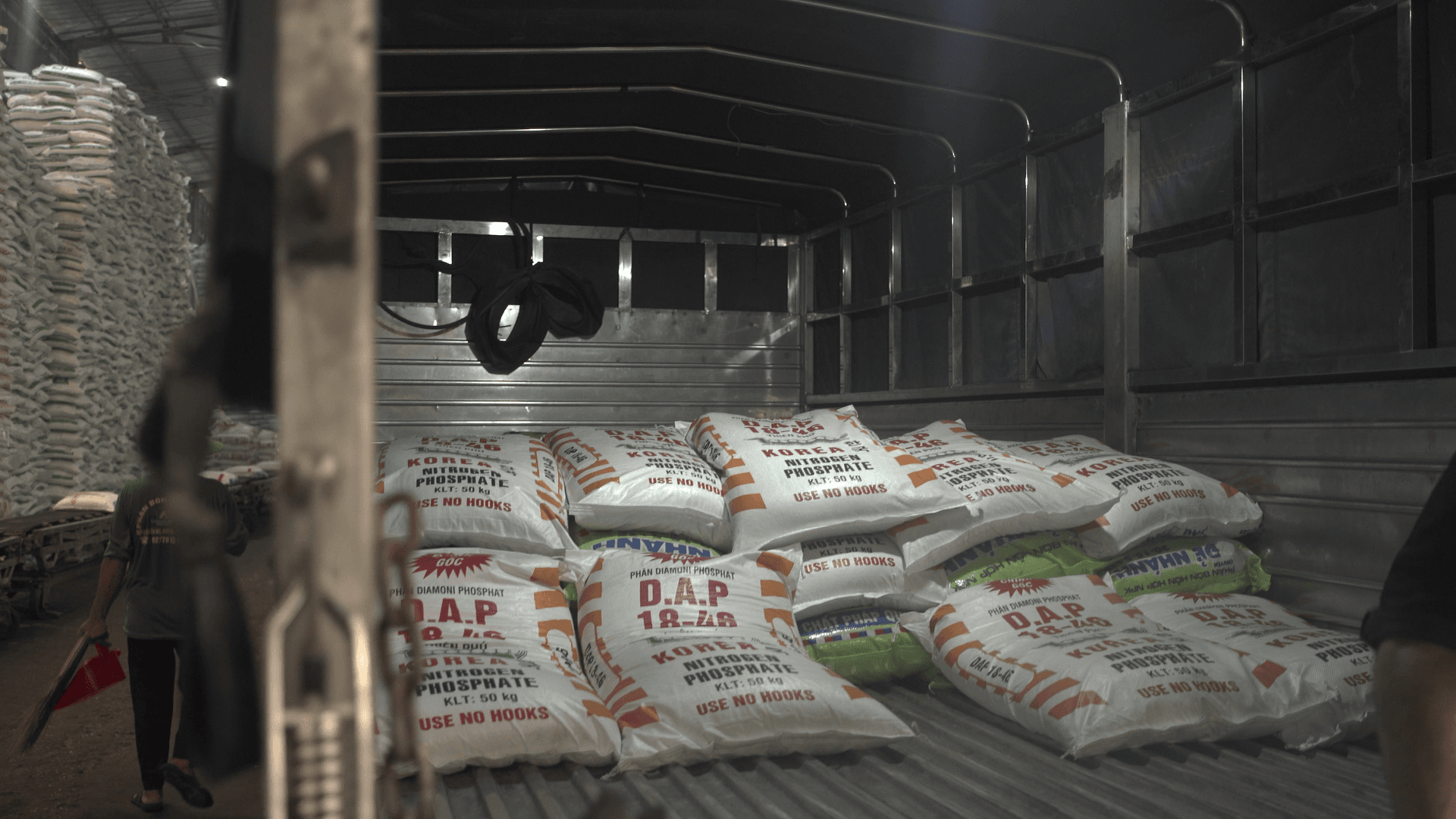
- DAP fertilizer (diammonium phosphate) contains 2 nutrients: nitrogen (N) and phosphorus (P₂O₅). The most common grade is 18-46-0, meaning 18% nitrogen and 46% phosphorus, with no potassium.
- NPK fertilizer is a fertilizer containing nitrogen, phosphorus and potassium, in many formulas such as 20-20-15, 16-16-8, 15-7-20… Each formula suits a stage of the crop.
DAP and NPK comparison table
Criterion | DAP (18-46-0) | NPK |
|---|---|---|
Nutrients | Nitrogen and phosphorus, no potassium | Nitrogen, phosphorus and potassium; many grades add secondary and micronutrients (TE) |
Strength | Very rich in phosphorus, helps rooting, sturdy plants and flower bud formation | Balanced nutrition, formula chosen by stage |
Common stage | Basal application, early season, root stimulation and root recovery | Top dressing by stage: tillering, panicle initiation, fruit filling… |
Total nutrients | About 64% | Depends on the formula, e.g. 20-20-15 is 55% |
Needs additional | Usually needs extra potassium, sometimes extra nitrogen | Rarely needs mixing if the right formula is chosen |
Compare price per kg of nutrient, not just per bag
A bag of DAP usually costs more than a bag of NPK, but DAP contains more nutrients. To compare fairly, divide the bag price by the kilograms of nutrient in the bag:
- A 50 kg bag of DAP 18-46-0 contains about 50 × 64% = 32 kg of nutrients.
- A 50 kg bag of NPK 20-20-15 contains about 50 × 55% = 27.5 kg of nutrients.
Price per kg of nutrient = bag price divided by kg of nutrients. Beyond the numbers, consider what the crop needs: a fruit tree filling its fruit needs potassium, so however cheap DAP is, it cannot replace a potassium-rich NPK. See prices on the today's fertilizer prices page.
When should you use DAP?
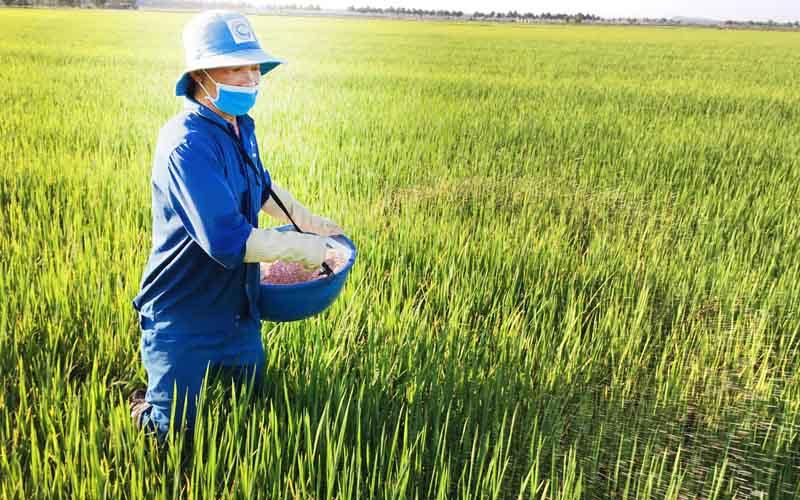
- Basal application at the start of the season, helping seedlings root quickly and establish strongly.
- Acid sulfate or phosphorus-poor soils; see also using DAP to stimulate roots and reduce acidity in rice soil early in the season.
- Fruit trees at the stage of root growth and flower bud formation.
When should you use NPK?
- Top dressing by stage, when the crop needs all 3 nutrients: rice tillering and panicle initiation; fruit trees filling fruit.
- To save mixing labor: one fertilizer, one application with all nutrients.
- To add secondary and micronutrients: choose an NPK marked TE.
Should DAP and NPK be combined?
Yes, if done by stage: apply DAP as basal or early-season fertilizer so the crop builds strong roots, then use NPK for top dressing. There is no need to apply both at the same time, because the phosphorus would be in excess, costing money the crop cannot use.
Example for rice

Stage | Suggestion |
|---|---|
Basal application, early season | DAP helps rice root and establish strongly |
Tillering | NPK rich in nitrogen and phosphorus, e.g. NPK 25-25-5+TE or NPK 20-15-7+TE |
Panicle initiation, grain filling | Potassium-rich NPK, e.g. NPK VNG 19-9-19+TE or NPK 15-7-20+TE |
Exact rates depend on soil, variety and season. See also how to apply DAP to rice and the rice fertilizer guide.
Frequently asked questions
Is DAP an NPK fertilizer?
No. DAP has only nitrogen and phosphorus. NPK must also contain potassium.
Can DAP replace NPK?
Yes, early in the season when the crop mainly needs phosphorus. At stages where the crop needs potassium (panicle initiation, fruit filling), you must add potassium or use a potassium-rich NPK.
Does DAP acidify the soil?
DAP acidifies soil much less than many nitrogen fertilizers, which is why it is often used on acid sulfate soils. Even so, apply balanced nutrition and add organic matter to keep the soil healthy in the long run.
Conclusion
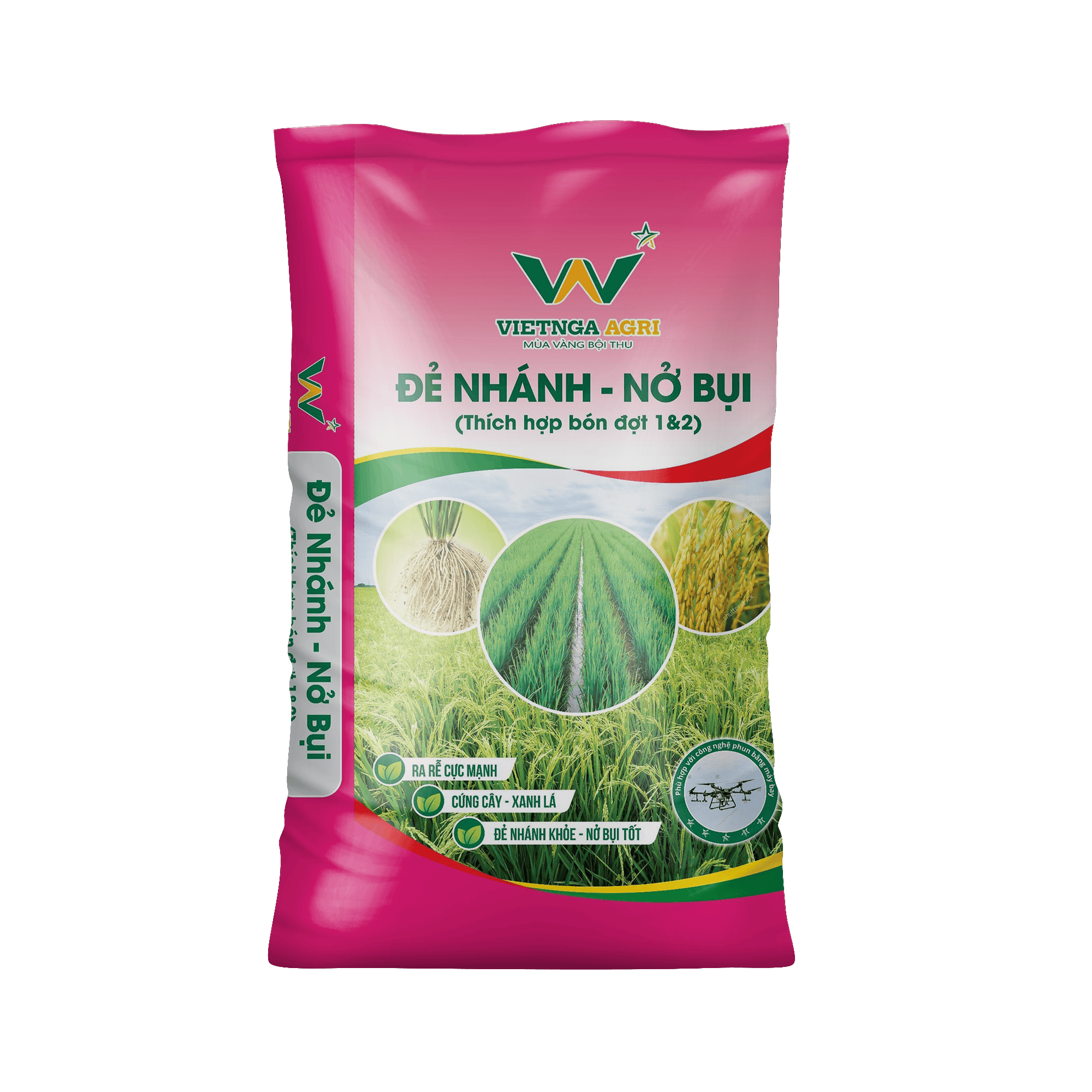
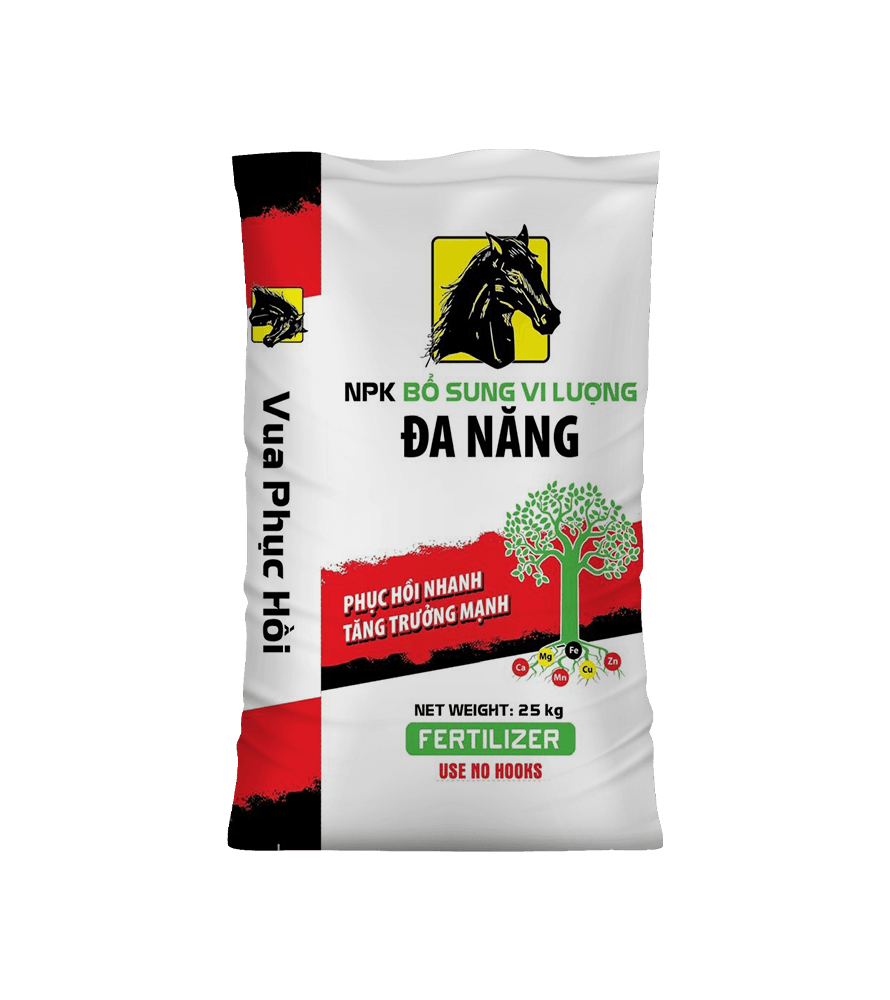
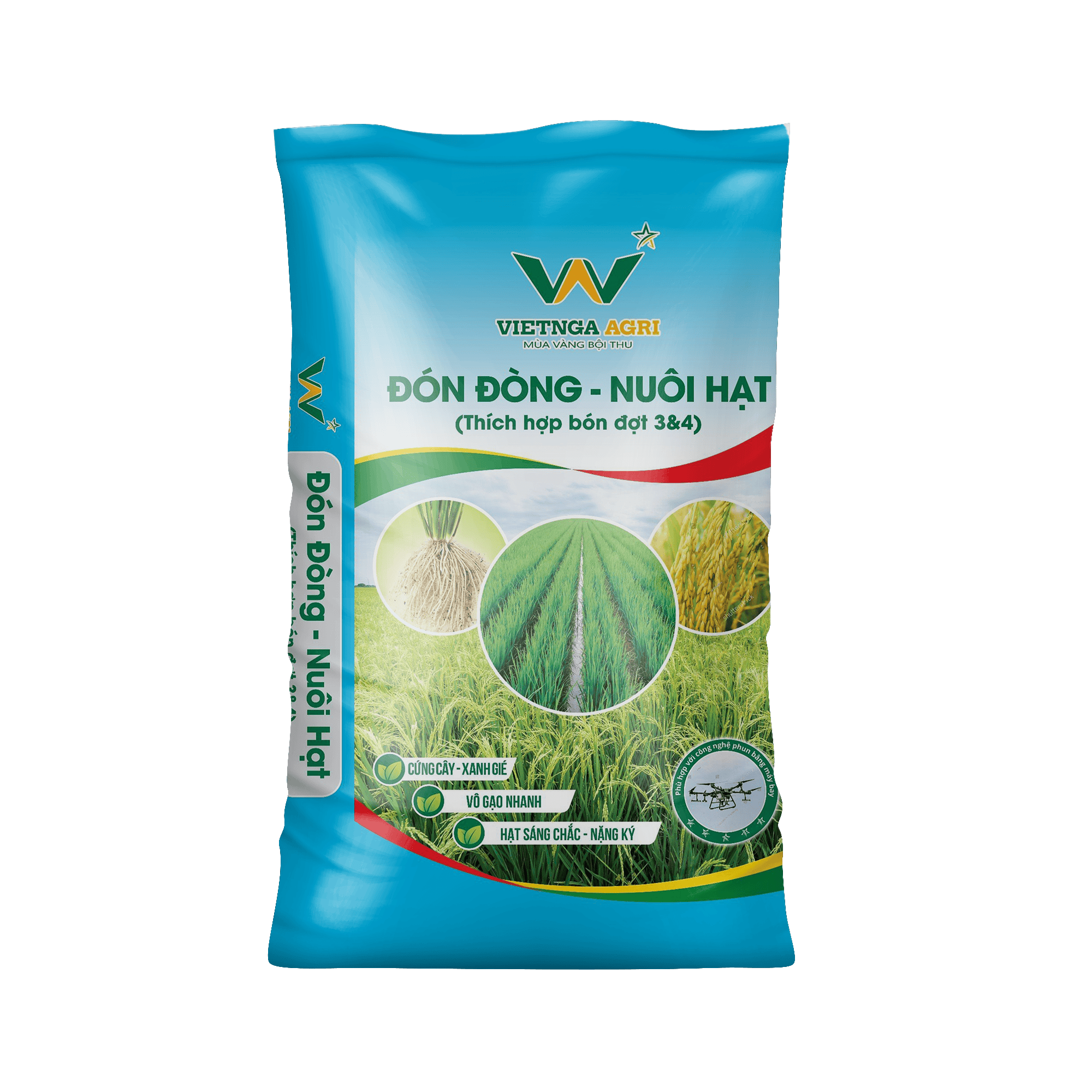
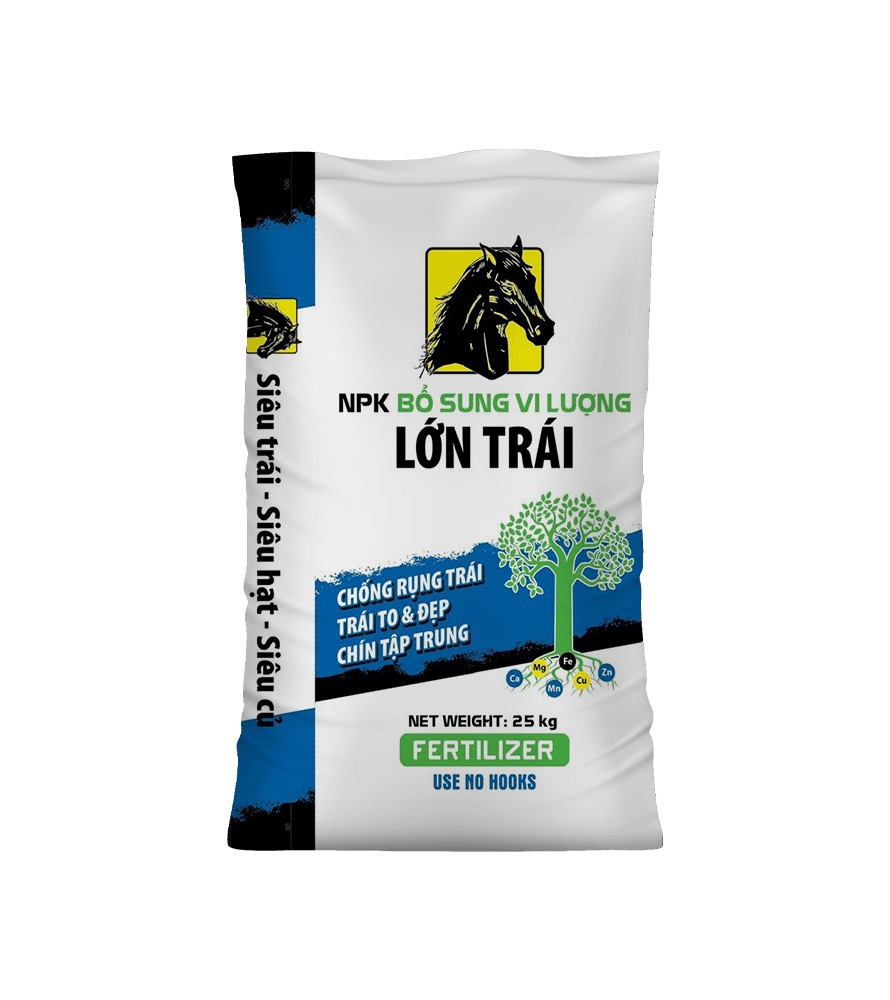
DAP is strong in phosphorus for the early stage, while NPK gives balanced nutrition for the whole season. Choosing the right type for each stage helps farmers save costs while the crop still gets enough nutrients. See Viet Nga Fertilizer's DAP 18-46 Viet Nga and NPK fertilizer lines. Leave your phone number at the end of this article and Viet Nga Fertilizer will advise according to your field.
Products in this article
Ask a Viet Nga agronomist
Leave your phone number; a Viet Nga agronomist will call back to advise.