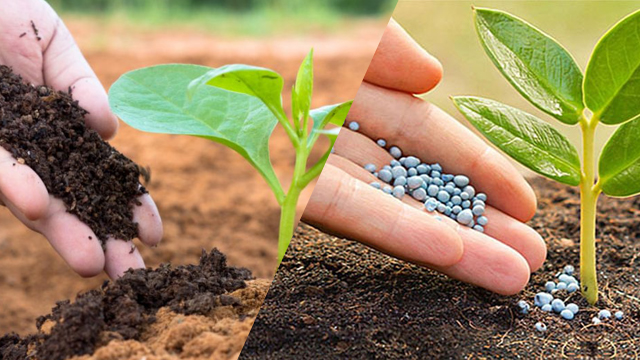
ACCOUNTING WITH FURTHER FARMERS
Fertilizing Grapefruit Trees During the Fruiting Stage for High Yields
Grapefruit trees will yield high productivity if properly cared for. Different care regimens are applied depending on the tree’s growth stage. During the fruiting stage, what are the appropriate nutritional needs and fertilization procedures for grapefruit trees? Let’s explore this together with Viet Nga Fertilizer!
1. Nutritional requirements of grapefruit
1.1. Essential nutrients for grapefruit
Understanding and meeting the nutritional needs of grapefruit trees during the fruiting stage is key to achieving the best yield and fruit quality.

- The grapefruit tree has different nutritional needs at each stage of its growth and development.
Grapefruit trees in particular, and citrus trees in general, require nitrogen nutrients year-round, phosphorus is needed in large quantities during the flower bud differentiation stage, and potassium is needed in high quantities when the tree produces new shoots and especially during the fruit development stage.
Grapefruit trees require essential micronutrients such as calcium, magnesium, zinc, manganese, and copper. Farmers should note that calcium is crucial for citrus trees in general, and grapefruit trees in particular. The required amount is even greater than phosphorus, second only to nitrogen and potassium.
1.2. Identifying nutrient excess in grapefruit trees
– Excess nitrogen results in soft, green leaves, spongy fruit, and a tendency to crack.
– Excess potassium makes the skin rough and dull, easily leading to zinc and iron deficiencies.
– Excess boron and copper cause plant poisoning, resulting in poor growth.
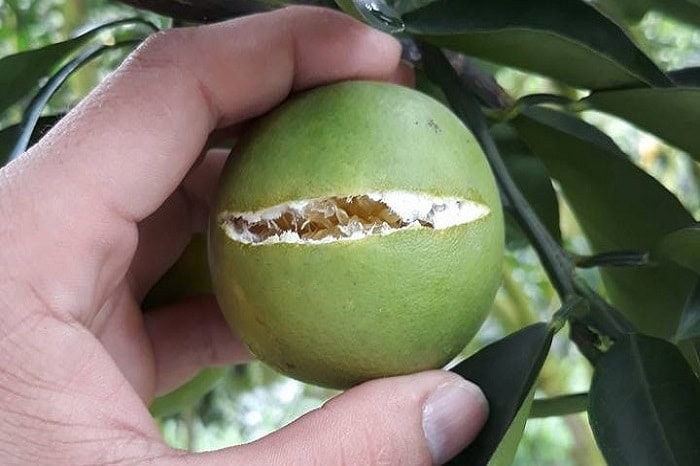
- Grapefruits crack due to excessive nitrogen fertilization.
To remedy nutrient deficiencies, select good, well-drained soil, increase the application of organic fertilizers, and apply NPK fertilizers containing micronutrients.
2. Fertilization techniques for pomelo trees during the fruiting stage
Many factors influence the growth potential, yield, and quality of pomelo, such as variety, climate, pests and diseases, environment, and fertilizers. Among these, fertilizers are a crucial source of nutrients that determine yield and product quality.
For grapefruit trees, there are multiple fruiting cycles at the same time, so providing a complete and balanced supply of each nutrient at the right stage will help ensure yield, product quality, and sustainable development of the orchard.
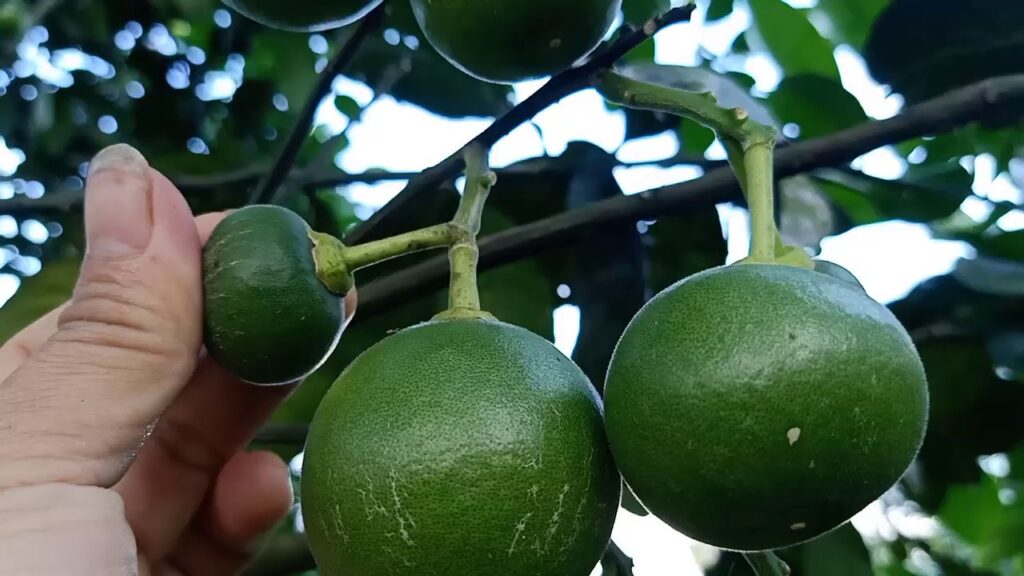
- Fertilizing pomelo trees helps achieve high yields and reduce premature fruit drop.
When grapefruit trees enter the commercial production stage (6 years old), they require the following amount of fertilizer (kg/tree/year):
– Apply 20-30 kg of microbial organic fertilizer or 40-60 kg of well-rotted manure.
– Chemical fertilizers: Urea: 1.2 kg; Superphosphate/fused phosphate: 3 kg; Potassium chloride: 1.2 kg. Divide into 6 applications (then increase the amount of fertilizer by 15-20% each year).
First time: After harvest
Apply NPK fertilizer in a ratio of 3:2:1, consisting of 0.25 kg urea + 0.50 kg superphosphate + 0.10 kg KCl, equivalent to 0.65 kg NPK 18-12-6 or NPK 20-15-7+TE.
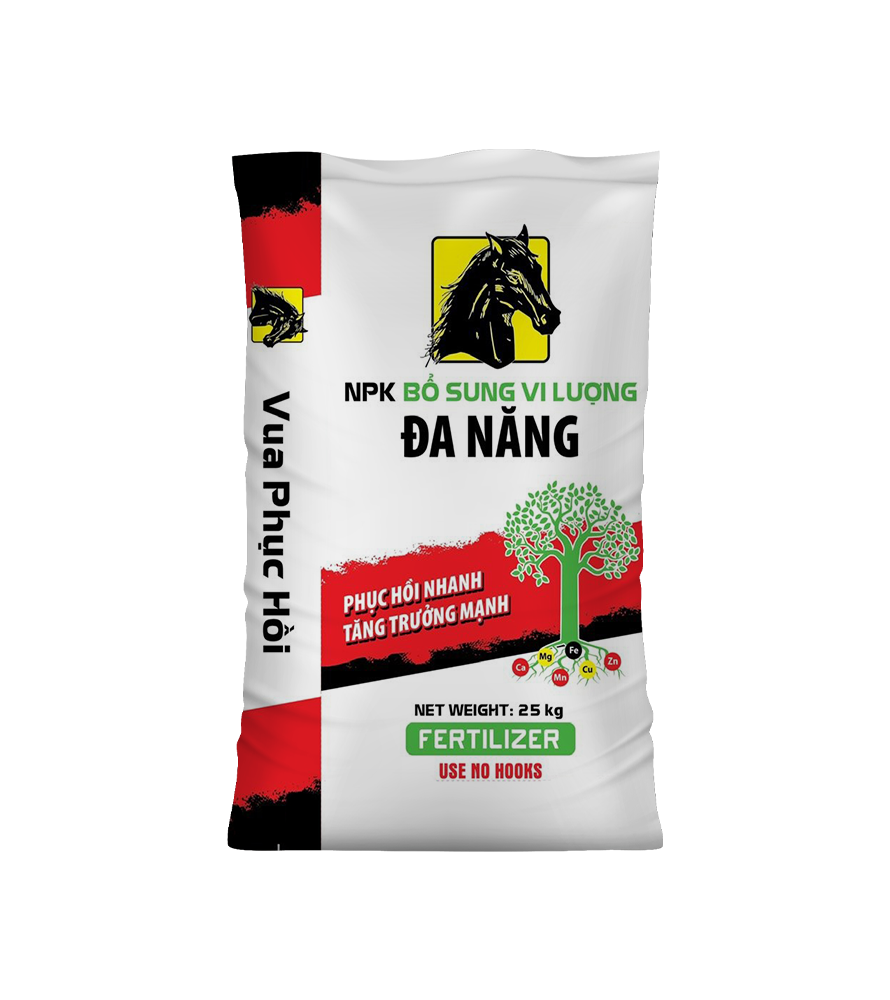
NPK 20-15-7 + TE fertilizer is a type of chemical fertilizer containing nitrogen, phosphorus, potassium, and trace elements. It is used to provide essential nutrients for plants, enhancing their growth and yield.
Second time: Before flowering
Apply N-P-K fertilizer in a ratio of 2:4:3, consisting of 0.17 kg urea + 1 kg superphosphate + 0.20 kg KCl.
Third time: One month after fruit set.
At this stage, grapefruit trees grow slowly, so it is necessary to fertilize with an N:P:K ratio of 2:2:1, consisting of 0.25 kg urea + 0.70 kg superphosphate + 0.1 kg KCl, equivalent to 0.7 kg of NPK 16-16-8 fertilizer.
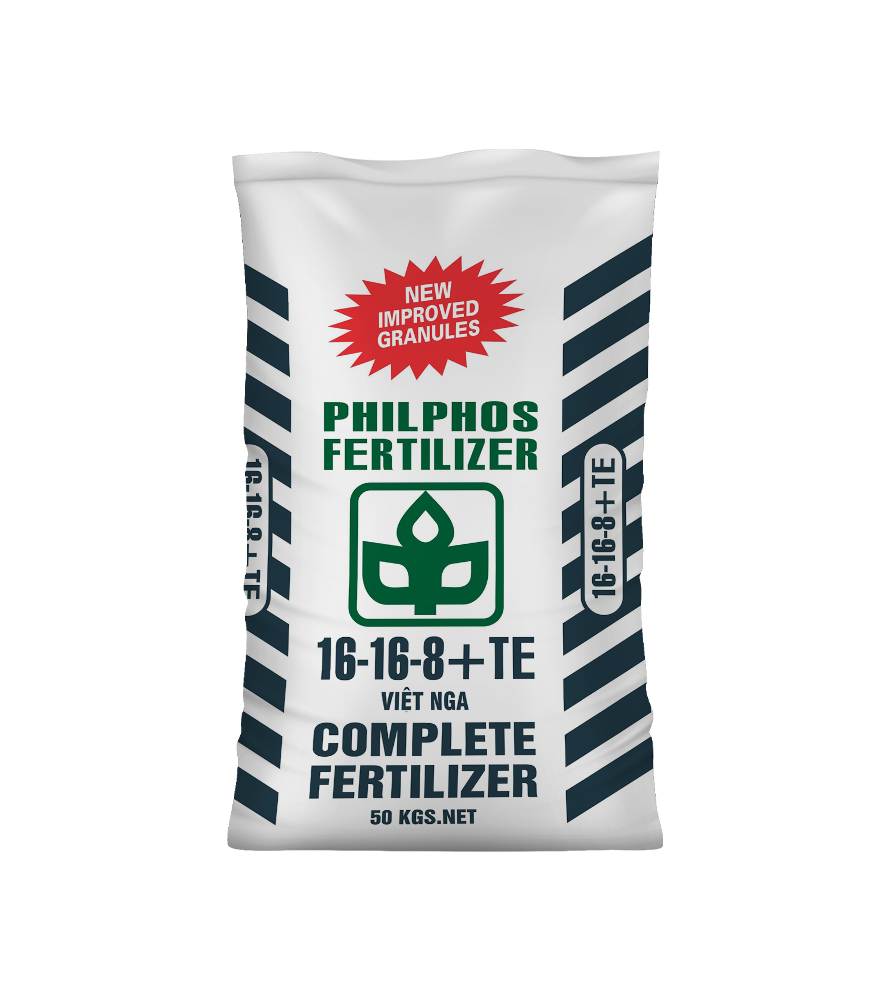
NPK 16-16-8 TE fertilizer is used to provide a balanced ratio of nitrogen, phosphorus, and potassium to plants, while also supplementing important trace elements. This type of fertilizer is suitable for many types of crops and can be used in different stages of the growing process.
Fourth time: 2.5 months after fruit set.
Lúc này trái lớn nhanh nên cần bón phân theo tỉ lệ N:P:K 2:1:2 gồm 0,33 kg urea + 0,50 kg lân nung chảy + 0,25 kg KCl, tương đương 0,75 kg NPK 20-10-20.
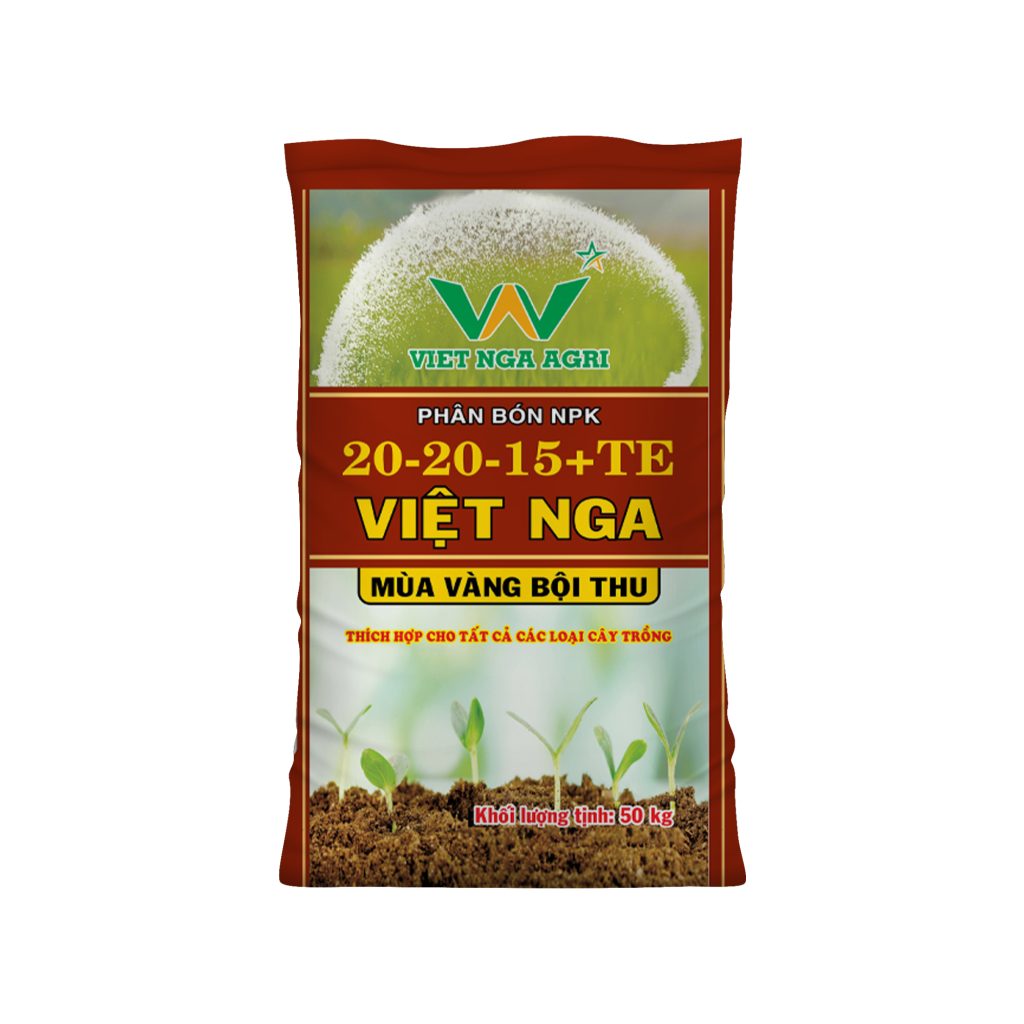
Viet Nga NPK 20-20-15+TE fertilizer is a type of fertilizer containing a balanced ratio of the three main nutrients: Nitrogen (N), Phosphorus (P), and Potassium (K), along with supplementary trace elements (TE) to help plants grow vigorously and achieve good yields.
Fifth time: Four months after fruit set.
At this stage, the fruit grows rapidly and begins to accumulate dry matter, so fertilize with an N:P:K ratio of 1.5:1:2, consisting of 0.20 kg urea + 0.30 kg fused phosphate + 0.25 kg KCl, equivalent to 0.6 kg NPK 15-10-20.
6th time: 1.5-2 months before harvest
Apply 0.30 kg of K2SO4 or KCl to help increase the sweetness of the fruit.

- Viet Nga Potassium Chloride 61 fertilizer provides potassium in an easily absorbable form for plants, helping them enhance their resistance to diseases and pests.
– Annual supplementation of 0.5 – 0.75 kg of Calcium Nitrate per tree is needed to help reduce fruit cracking, improve quality, and extend post-harvest storage time.
3. Notes on fertilizing pomelo trees during the fruiting stage.
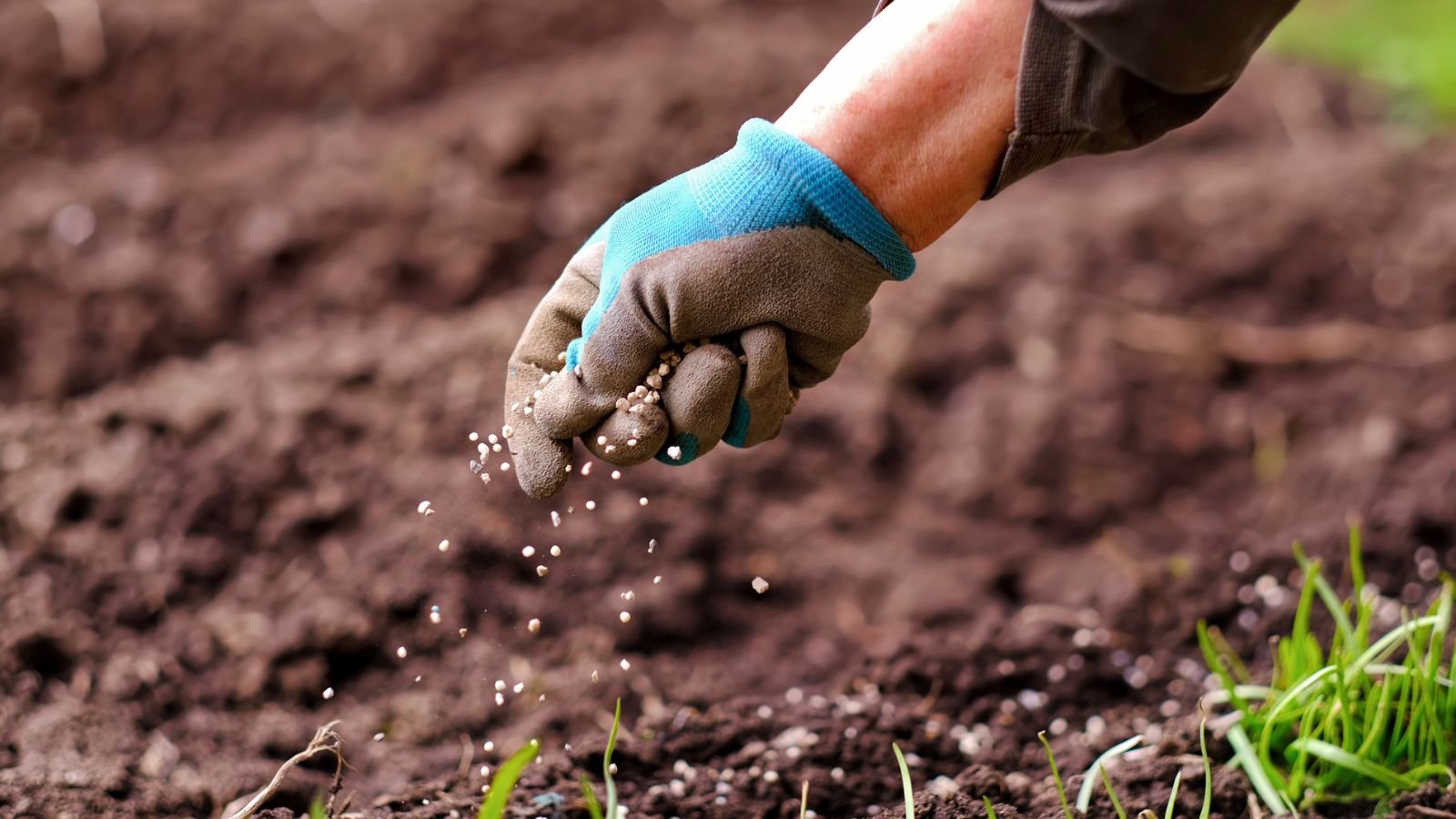
– Apply fertilizer within the canopy’s projection, at least 0.5m away from the base of the tree, or apply it on the surface of the raised bed in the active root zone.
– Adjust the amount of fertilizer according to the soil condition and plant health.
– Divide the fertilizer into two applications to minimize nutrient loss.
– Water regularly after fertilizing to help the fertilizer penetrate the soil and be absorbed better by the plant roots.
– Monitor the condition of leaves, flowers, and fruits to detect early signs of nutrient deficiency or excess. If you notice any abnormal signs in the plant, adjust the type and amount of fertilizer promptly.
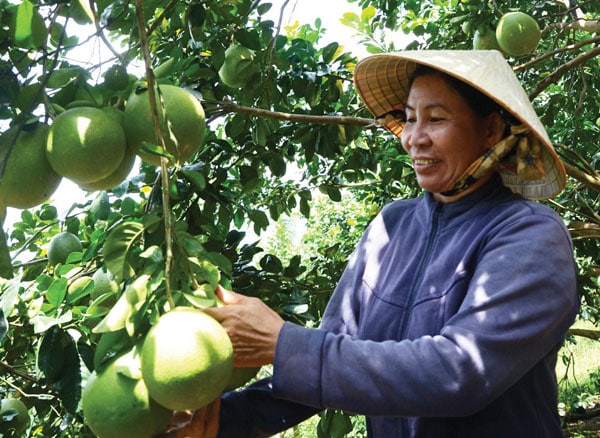
- Implementing good fertilization and care techniques will result in high yields and beautiful, high-quality grapefruit trees.
Conclusion
These formulas are based on long-term research and have been tested and cultivated in actual pomelo orchards of farmers in the Mekong Delta provinces, resulting in outstanding crop yields.
Recently, Viet Nga Fertilizer shared with farmers the techniques for properly and balancedly fertilizing pomelo trees during the fruiting stage. To learn more about fertilizers from the Viet Nga Fertilizer brand, farmers can contact the Hotline 02778 55 66 77 or visit the nearest fertilizer dealer for assistance!
Related news
The Role of Base Fertilization in Soil Improvement and Enhancing Agricultural Fertility
Measures to Improve and Treat Saline Soil
Winter-Spring rice blast warning – Don’t let leaf and flower burns rob you of your golden crop

Rice Sowing Techniques for the Early Winter–Spring Crop
What Is Slow-Release Fertilizer? Learn How to Use It Effectively