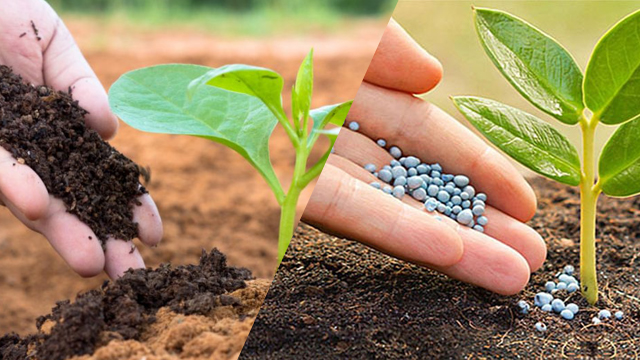
ACCOUNTING WITH FURTHER FARMERS
How to Fertilize Watermelon Plants to Help the Fruit Grow Faster
Growing watermelons is a process that requires technical skill and meticulous care to ensure healthy plant growth and high yields. Fertilizing watermelon plants not only provides essential nutrients but also helps improve soil structure, increase water retention, and resist pests and diseases.
In this article, we will explore effective fertilization methods for watermelon plants, from soil preparation to harvest, to achieve sweet, delicious watermelons and superior yields.
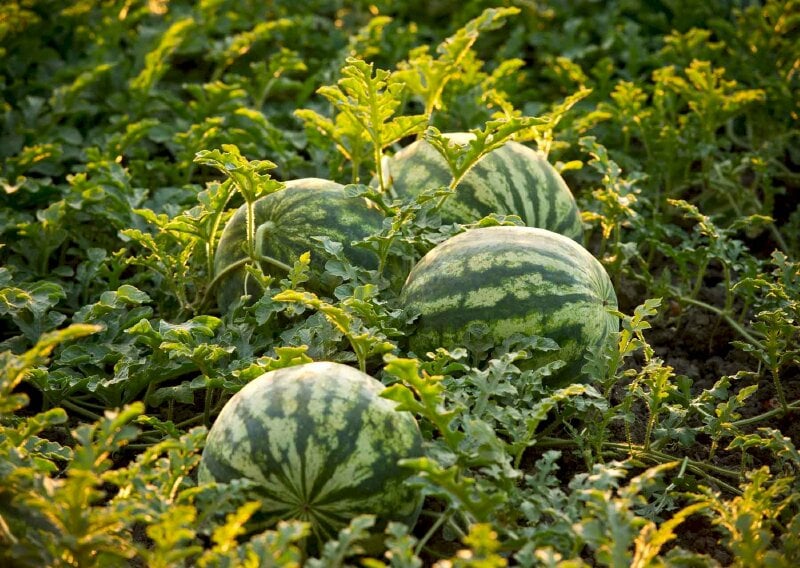
- Fertilizing watermelon plants to achieve high yields.
1. What are the nutritional requirements of a watermelon plant?
Watermelons require plenty of nitrogen and potassium. Nitrogen helps the plant grow well in the early stages. However, applying too much nitrogen fertilizer towards the end of the growing season will cause the fruit to develop quickly, potentially leading to high yields, but the fruit will crack in the field, accumulate excess water, have a bland taste, poor quality, and be prone to rotting after harvest.

- Watermelons crack due to unbalanced nutrient supply.
Phosphorus promotes good root development, resulting in many strong, healthy shoots, and early fruiting. A lack of phosphorus hinders root development, leading to slow growth, fewer leaves, and reduced yield.
Potassium helps make fruits sweet, firm, and hard-skinned, making them easy to transport over long distances. A lack of phosphorus hinders root development, leading to slow growth, fewer leaves, and reduced yield.
2. What is the proper way to fertilize watermelon plants?
Apply base fertilizer to watermelon plants.
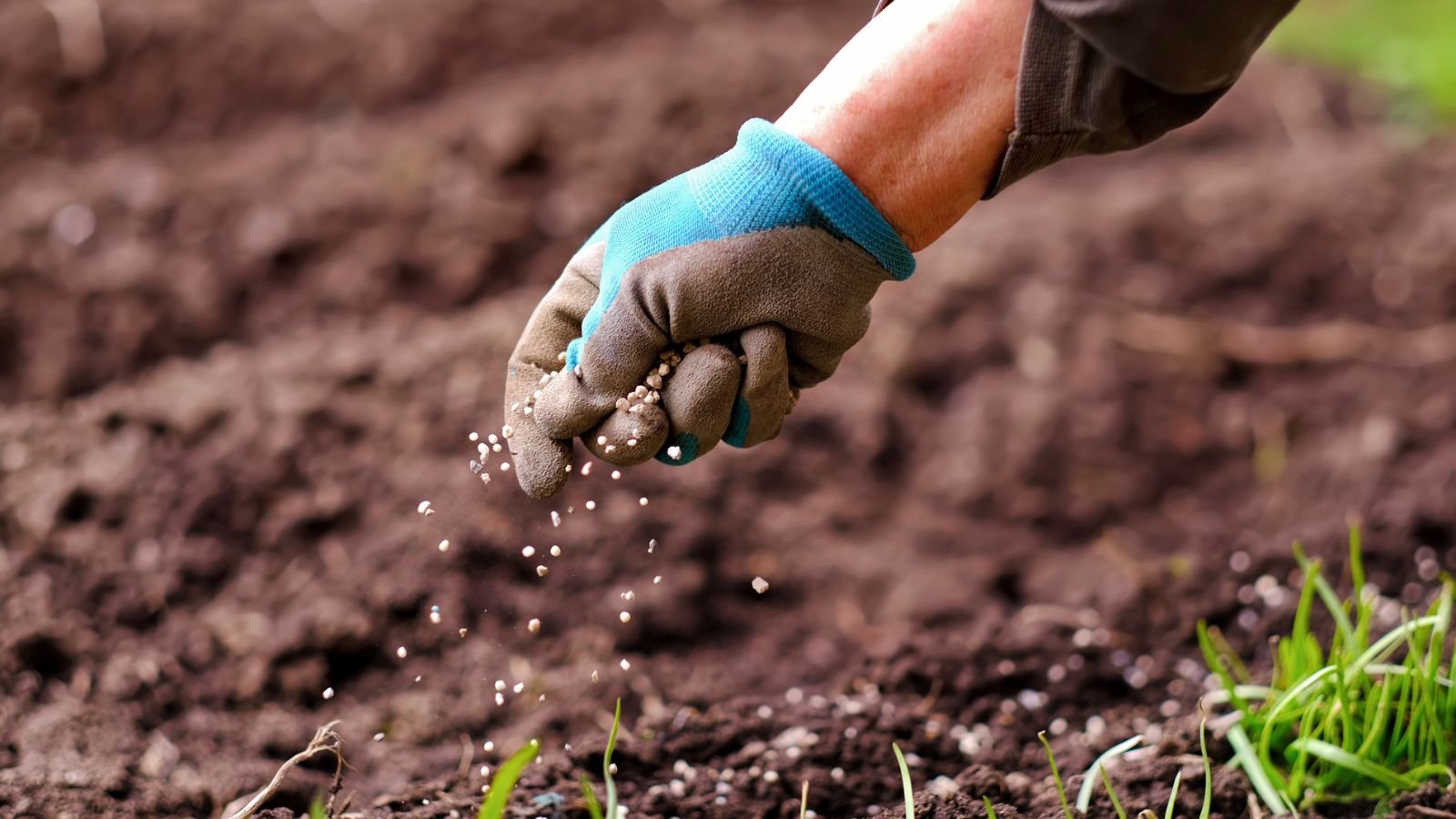
Apply VNG Organic Rich organic fertilizer in combination with NPK 16-16-8+TE fertilizer to the soil after it has been thoroughly plowed and harrowed.
Water thoroughly before planting so that the seedlings can absorb nutrients slowly and safely.
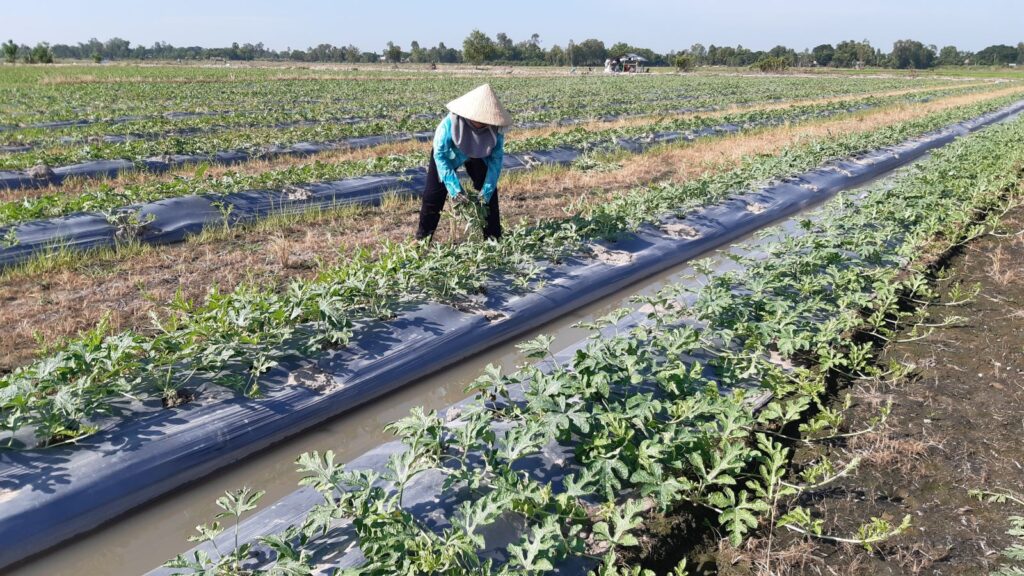
First fertilization (12-15 days after planting)
When the melon vines begin to spread, dig trenches 20-30cm away from the base of the vines in the direction of their growth, apply 12-15kg/acre of NPK 16-16-8+TE or NPK 20-20-15+TE fertilizer, then cover it up. If it’s rice paddy land, spread the fertilizer on the surface and then cover it with mud around the base of the melon vines.
Second fertilization (20-25 days after planting)
When the melon plants begin to flower, dig trenches 30-45 cm away from the base of the plants, following the direction of the melon’s growth. Apply fertilizer as you did the first time, then cover the trenches with soil.
Promoting fruit development (after fruit has been set)
When the melons are the size of lemons, continue applying 23-30 kg/acre of NPK 16-16-8+TE or 13-18 kg/acre of NPK 20-20-15+TE fertilizer, then cover the soil again.
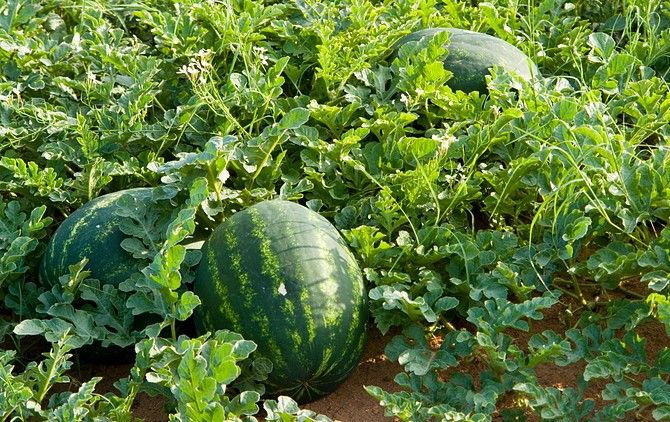
After pollination and fruit setting (40 days after fruit set), apply fertilizer to nourish the fruit, divided into 3 applications, once a week, or apply to the base of the plant, then flood the area with water. Ten days before harvest, dilute the remaining potassium fertilizer and apply it to the base of the plant to sweeten the fruit.
3. Proper care for watermelon plants.
Weeding
After each fertilization, weed around the base of the plants and on both sides of the rows to prevent weeds from competing with the plants for nutrients.
If using agricultural mulch, only weed and trim the plants; avoid using herbicides in the furrows as this can damage the leaves.
Watering
Watermelons prefer moist, drought-tolerant soil but are very sensitive to waterlogging. Therefore, adequate watering is necessary during the growing season, ensuring soil moisture at 70-75%, only reducing watering when nearing harvest.
When the plants are mature, irrigation can be done by filling the furrows with water, but not allowing the soil surface to become saturated. Seven days before harvest, allow the melon field to dry out (soil moisture 50-60%).
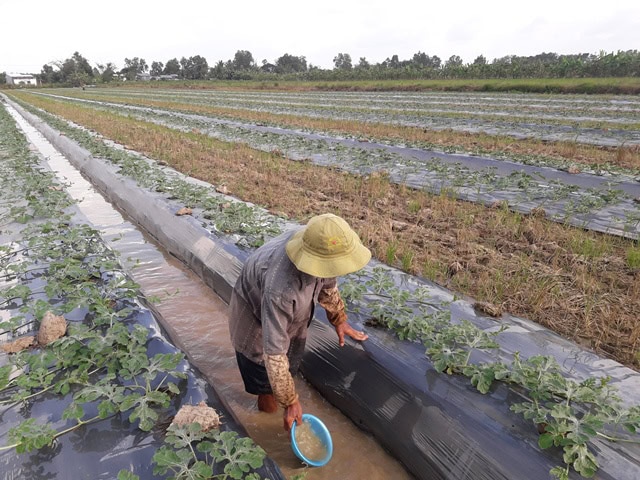
Prune branches, adjust the vines.
Leave one main vine and one or two secondary vines from the strongest branches that emerge earliest, removing other branches starting from the base. When the stem has five true leaves, pinch off the tip. 20-25 days after planting, guide the vines to grow perpendicular to the raised bed.
Wire orientation
Once the melon vines begin to spread, regularly adjust their position and secure them so they lie parallel to each other on the raised bed and perpendicular to the rows.
To secure the rope, use a bamboo stick to pin it close to the ground so that the wind doesn’t flip it over.
When the vines start to droop, spread straw or hay for them to cling to, preventing the wind from blowing them over.
Supplemental pollination
After planting for 25-30 days, when the plants begin to flower, supplementary pollination should be carried out to increase the fruit set rate.
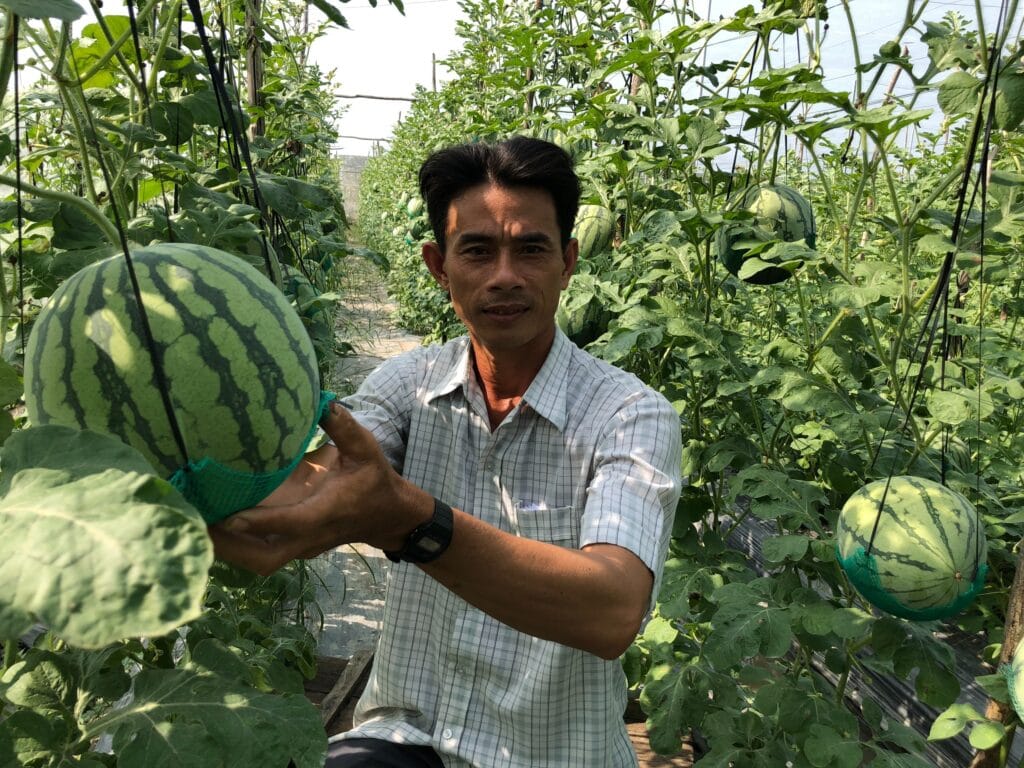
Select large female buds for supplementary pollination (flowers from the 2nd, 3rd, 4th onwards are usually large female buds). Use newly opened male flowers to dab onto the stigmas of the female flowers in the morning (from 6-9 am), pollinating 2-3 flowers per plant. When the fruit is the size of a lemon, select the fruits. Leave only 1-2 fruits per plant (ideally 1 fruit).
After letting the fruit sit for 7-10 days, adjust its position so that it grows evenly in a round shape and has a beautiful color.
Choose the fruit
Leave only one fruit per vine, at the 3rd or 4th flower position. The fruit should have a thick, long stem, a large ovary, and be free from pests and diseases. Select a large, healthy female flower on the vine, mark it with a stick, and remove other fruits on the plant.
Conclusion
Proper fertilization of watermelon plants is a crucial factor in healthy growth and high yields. Always monitor the condition of your plants and adjust the amount of fertilizer accordingly, combining it with other care measures such as watering and weeding to achieve a bountiful harvest.
Viet Nga Fertilizer wishes all farmers successful and productive watermelon harvests!
Related news
The Role of Base Fertilization in Soil Improvement and Enhancing Agricultural Fertility
Measures to Improve and Treat Saline Soil
Winter-Spring rice blast warning – Don’t let leaf and flower burns rob you of your golden crop

Rice Sowing Techniques for the Early Winter–Spring Crop
What Is Slow-Release Fertilizer? Learn How to Use It Effectively