Reducing Environmental Pollution Through the Recycling of Agricultural By-products
Agricultural by-products are considered a rich resource and can bring economic value if exploited properly.
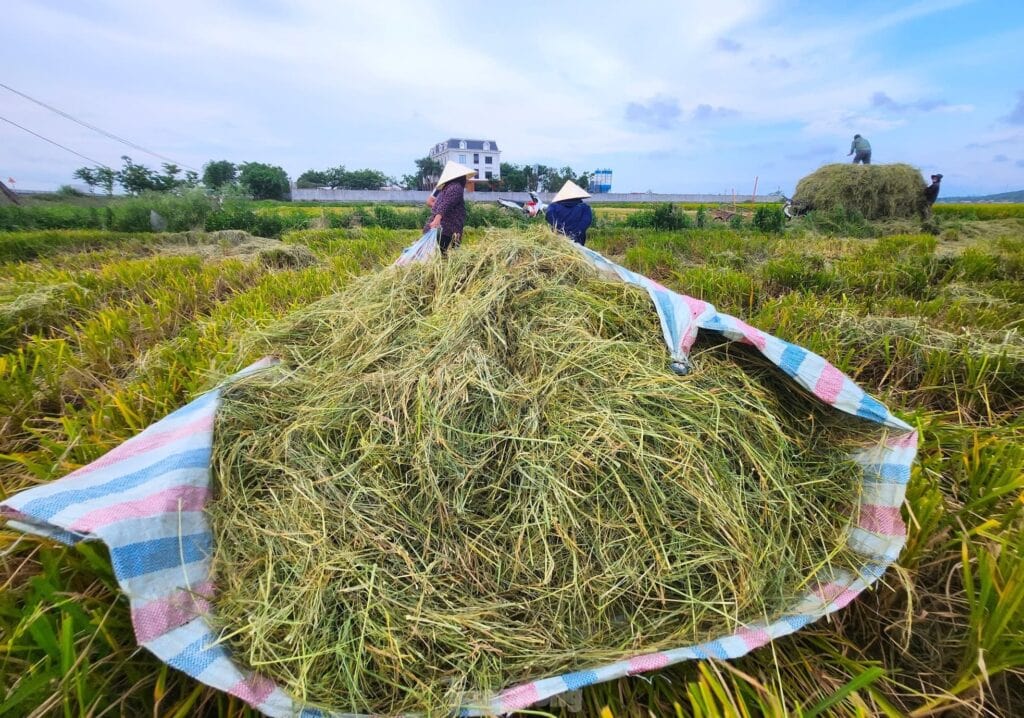
Each year, Vietnam’s agricultural sector generates tens of millions of tons of by-products such as straw, rice husks, stems, leaves, and bark from crops. These by-products are rich in nutrients and can be recycled into organic fertilizers, helping to improve soil quality, reduce environmental pollution, and minimize negative impacts. However, currently, most of these by-products are not being utilized effectively, leading to waste and pollution when they are burned in the fields.
According to experts, agricultural by-products in crop cultivation are mainly burned in the fields (45.9%), used as animal feed (29.0%), left in the fields (8.6%), composted (5.0%), reused for crop cultivation (4.1%), and the remaining 7% is used for other purposes (rice husk fuel, mushroom cultivation, bedding, etc.).
By-products from certain fruits, such as mango seeds, banana peels, and durian peels, can be reused as organic fertilizer for crops directly in mango, dragon fruit, and watermelon orchards. However, they are currently being discarded, or even improperly processed, causing environmental pollution. This is considered wasteful, especially given the high demand for fertilizers in agricultural production.
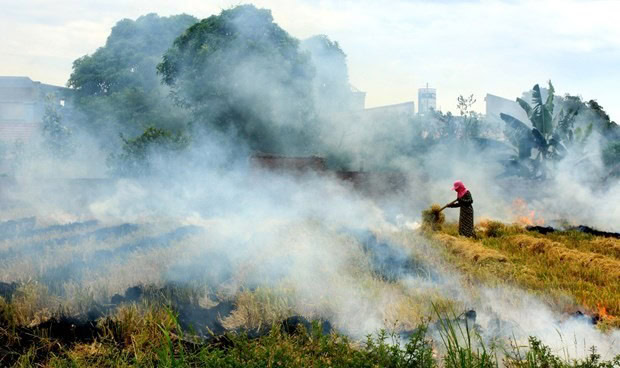
Specifically for rice farming, post-harvest straw remains in surplus, and many farmers choose to burn it, contributing to the greenhouse effect. Research shows that if straw is processed into organic fertilizer, the amount of chemical NPK fertilizer needed can be reduced by up to 60% while maintaining high yields, contributing to the goal of reducing greenhouse gas emissions and meeting sustainable development standards.
According to Deputy Minister of Agriculture and Rural Development Tran Thanh Nam, Vietnam needs to move towards a circular agriculture model to maximize the utilization of by-products, reduce environmental pollution, and achieve sustainable development. This is becoming a trend in many countries and is required in international trade agreements.
The Ministry of Agriculture and Rural Development will also integrate science and technology development programs into circular agriculture and propose to the Government the development of mechanisms and policies to encourage the circular economy in order to maximize the value of agricultural by-products.
Source: Ho Chi Minh City Police Newspaper

Related news
Asia’s Fertilizer Market “Out of Sync”: Crop Prices Fail to Keep Pace with Rising Costs
Middle East Conflict Drives Fertilizer Prices Higher, Supply Faces Risk of Disruption
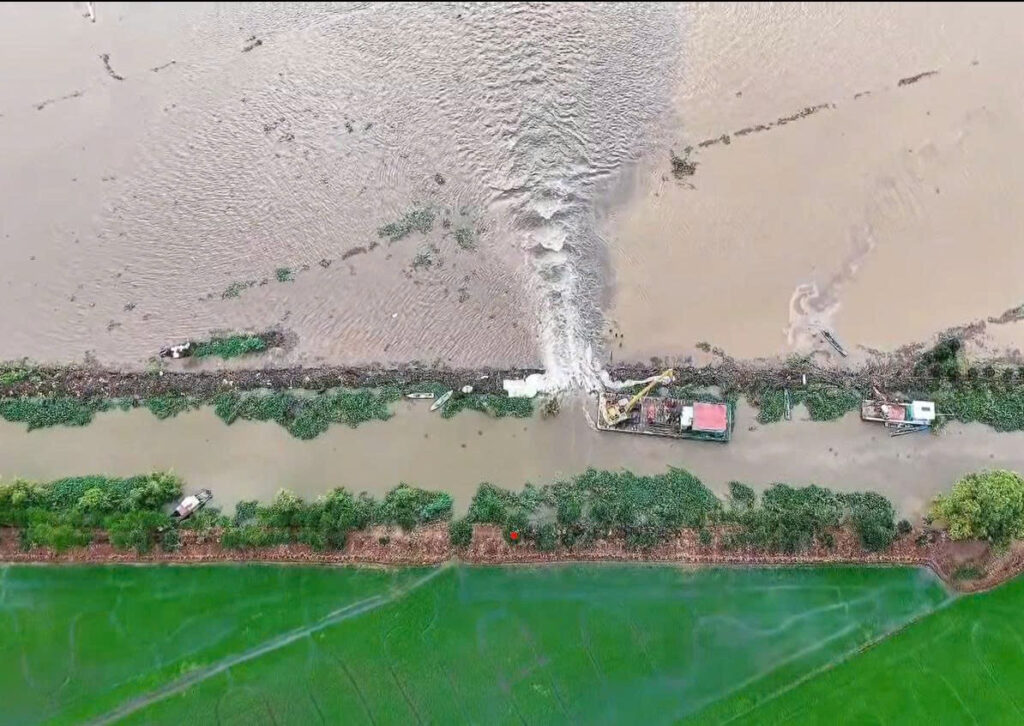
Widespread Heavy Rain in Southern Vietnam – Farmers Need to Take Proactive Measures to Protect Their Crops
In 10 Months, Vietnam’s Cashew Industry Completed Its Export Plan
China Purchased 1.5 Million Tons of Durian in 10 Months