ACCOUNTING WITH FURTHER FARMERS
Sustainable Effectiveness from the “3 Reductions – 3 Increases” Rice Cultivation Technique
In the context of climate change and ever-increasing food demands, the adoption of efficient and sustainable farming methods is more urgent than ever. Let’s explore with Viet Nga Fertilizer the “3 reductions – 3 increases” farming technique, which has been highly appreciated and applied by many farmers in their cultivation practices!
1. What is the “3 reductions – 3 increases” rice farming technique?
The “3 reductions – 3 increases” rice cultivation technique is one of the advanced methods widely encouraged to improve rice production efficiency, protect the environment, move towards building sustainable agriculture, and improve the lives of farmers. To achieve the “3 increases,” optimizing and correctly implementing the “3 reductions” in rice cultivation is a matter that needs attention.
Program objectives: To help farmers reduce unnecessary seed usage; reduce fertilizer use, primarily excess nitrogen fertilizer; and reduce pesticide use. Applying these three reductions will increase productivity, improve product quality, and enhance economic efficiency.
1.1. What are the “three reductions”?
In rice cultivation, the “three reductions” is a farming method that applies reduced seed quantity, reduced fertilizer quantity, and reduced pesticide quantity to optimize production and improve economic efficiency for farmers.

– Reduce the amount of seeds sown:
Currently, according to the farming practices of our farmers, the amount of seed sown is still too high. A high amount of seed sown will first increase seed costs, and secondly, it will increase the density of rice plants in the field. This increased density leads to a higher risk of pest and disease outbreaks, requiring more frequent spraying of pesticides. At the same time, more rice plants in the field consume more nutrients, requiring additional fertilizer application.
Reducing the amount of seed used saves on seed purchase costs and allows for even rice plant growth, reducing competition for nutrients and sunlight among plants. In addition, sparse sowing results in healthier, stronger rice plants, eliminating pests and diseases, and leading to higher yields, thus increasing profitability from cultivation.
– Reduce the amount of nitrogen fertilizer:
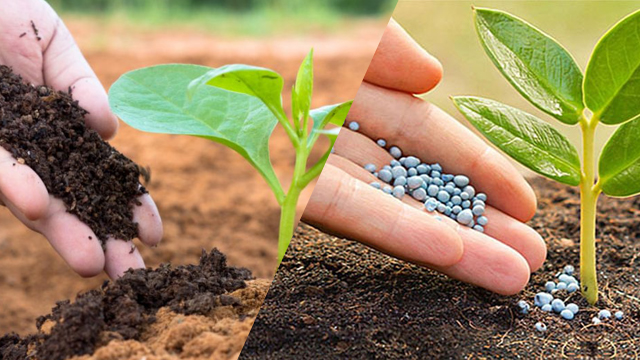
Because nitrogen fertilizers quickly turn rice leaves green, they are very popular among farmers. However, if applied in excessive amounts compared to the rice plant’s needs, it leads to nutritional imbalances, making the plant more susceptible to pests and diseases, resulting in reduced yield. Furthermore, it wastes money on fertilizer, and the excess nitrogen (N) pollutes the environment.
Therefore, applying the right amount of nitrogen fertilizer to supplement nitrogen according to the nutritional needs of the rice plant at each stage of development avoids waste and saves costs.
– Reduce the use of pesticides:
Pesticides are effective in controlling and preventing pests and harmful insects that damage crops quickly and immediately. However, most pesticides are toxic substances.
The controlled use of pesticides reduces many negative aspects such as soil and water pollution, and avoids direct harm to human health.
When the three reductions are applied, productivity does not decrease but tends to increase, and the most important thing is to increase profits for rice farmers.
1.2. What are the “three increases”?
The “three increases” method in rice cultivation is part of a sustainable farming strategy aimed at optimizing crop yield and quality. The “three increases” include increased yield, improved quality, and increased economic efficiency.

– Increase productivity:
Thanks to proper rice sowing and planting techniques, along with consistent good care, the rice plants are well-suited for healthy growth and development, resulting in high yields and economic benefits.
– Improve quality:
To improve quality, farmers should choose the right rice varieties, apply balanced fertilizers, and importantly, pay attention to post-harvest techniques to help the rice plants recover for the next crop.
– Increase economic efficiency:
By effectively applying the aforementioned “three reductions” and “two increases” factors, farmers can easily achieve improved economic efficiency.
If the aforementioned program of 3 reductions and 3 increases is implemented effectively, increasing the economic efficiency for rice farmers will be easily achieved. This is the main objective.
2. The effectiveness of the “3 reductions – 3 increases” rice cultivation technique.
In Dong Thap province, the “3 reductions – 3 increases” rice cultivation technique has been implemented on a diverse scale across all districts and communes of the province.
Thap Muoi District
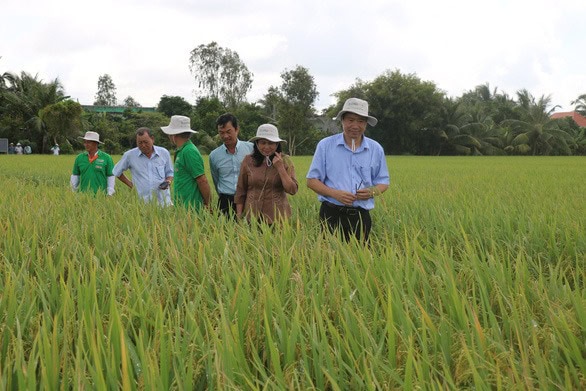
With a scale of 60 hectares and 63 participating households, compared to traditional farming techniques, applying the “3 reductions – 3 increases” method helped farmers reduce rice seed usage by 80 kg/ha, compared to the recommended amount of 100 kg/ha.
By applying fertilizer according to proper cultivation procedures and using balanced dosages, the rice not only grew well, but farmers also reduced fertilizer costs by the equivalent of 800,000 VND/ha. The number of pesticide applications also decreased by 1.7 times (equivalent to nearly 1 million VND/ha in pesticide costs).
At the end of the season, rice yield reached 6.1 tons/ha (dry rice with 14% moisture content) – 400 kg/ha higher than outside the model. Production costs in the model were 3 million VND/ha lower than outside the model, and average profit was 13.5 million VND/ha – 5 million VND/ha higher than outside the model.
Chau Thanh District
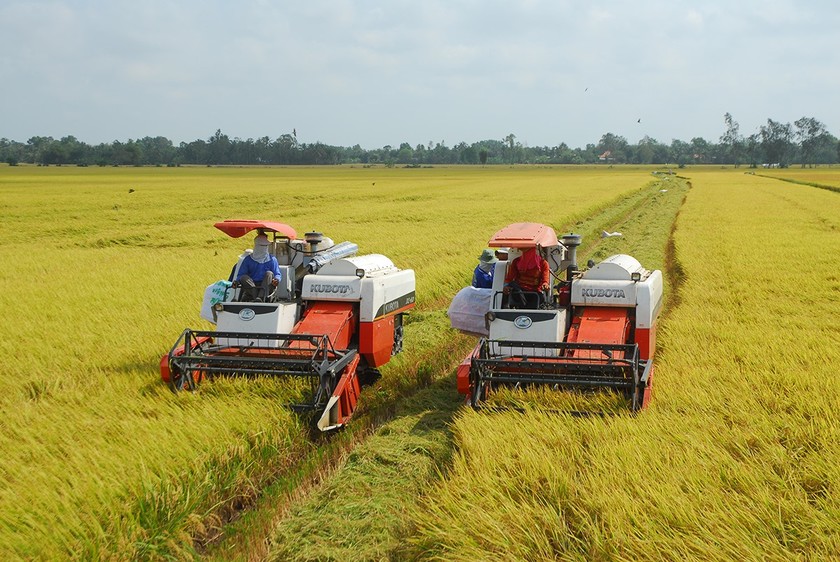
Spanning 60 hectares and involving 64 households, the application of the “3 reductions – 3 increases” rice cultivation model has yielded numerous benefits, contributing to a reduction of approximately 40% in seed costs (sown density from 120-140 kg/ha compared to the traditional farming practice of using over 200 kg/ha).
The rice plants grew and developed well, with low pest and disease pressure, resulting in a reduction of over 2 million VND in pesticide and fertilizer costs. The rice quality was good, and yields increased, contributing to a profit increase of nearly 7 million VND compared to areas outside the model.
The model applying the “3 reductions, 3 increases” principle has proven effective in many aspects and has the potential to be replicated in the production of high-quality rice varieties to replace low-quality ones. This model not only helps farmers achieve higher economic efficiency but also contributes to improving rice cultivation processes, enhancing the ecological environment, and reducing greenhouse gas emissions.
Conclusion
Viet Nga Fertilizer has introduced the “3 reductions – 3 increases” rice cultivation technique, one of the most effective farming techniques, to farmers. This is an important step towards sustainable agriculture, meeting the increasing market demand for quality agricultural products. If you need advice on this cultivation technique, please contact Viet Nga Fertilizer for support.
Wishing everyone a bountiful harvest!

Related news
The Role of Base Fertilization in Soil Improvement and Enhancing Agricultural Fertility
Measures to Improve and Treat Saline Soil
Winter-Spring rice blast warning – Don’t let leaf and flower burns rob you of your golden crop

Rice Sowing Techniques for the Early Winter–Spring Crop

What Is Slow-Release Fertilizer? Learn How to Use It Effectively